

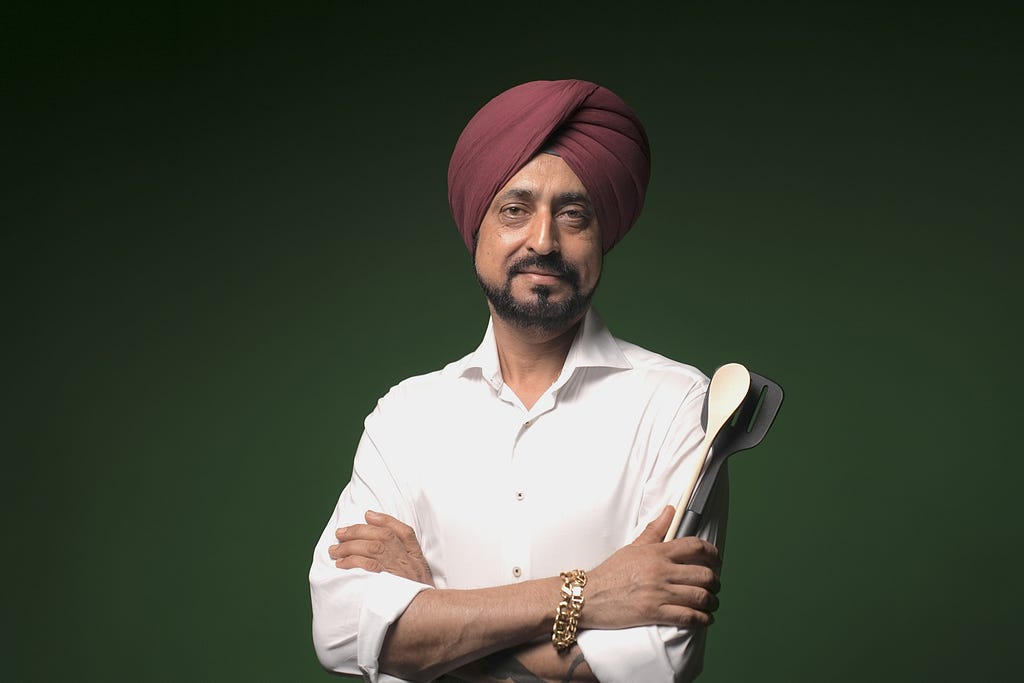

Jasdeep Chawla Of Indian Sweet Master: 5 Things I Wish Someone Told Me Before I Became a Restaurateur
An Interview With Martita Mestey
Have some work-life balance: This business and its challenges will absorb you. Don’t forget to have fun! In my early years, I spent so much time worrying about growing the business that it became my life. Find ways to unwind and be with loved ones.
As a part of our series about “5 Things I Wish Someone Told Me Before I Became a Restaurateur”, I had the distinct pleasure of interviewing Jasdeep Chawla Founder, Indian Sweet Master.
Even as a small-town teenager from India, Jasdeep Chawla dreamt of owning and running his own restaurant. His culinary dream took him to Canada, where he learnt to cook by astutely watching the chefs at the restaurants he worked at. In 2010, he launched Indian Sweet Master, which is a local staple today and clocks in a 7-figure USD revenue. Despite expansion and success, Jasdeep remains true to his goal — authentic Indian food with a disproportionate focus on customer service. He has mastered this through local, fresh ingredients, an authentic collection of spices, and a no-compromise-on-quality approach. He’s at the restaurant every day, either chatting up customers, hand-picking new furniture or decor that evokes nostalgia in people or creating delicacies in the kitchen. He also serves as a judge on cooking competitions in Canada.
Thank you so much for doing this with us! Our readers would love to ‘get to know’ you a bit. Can you share with our readers a story about what inspired you to become a restaurateur?
I wanted to become a chef ever since I was young. I went from job to job but wasn’t enjoying it because I knew I wanted to start a business. At that time in India in the 90s, the only successful businesses anyone ever talked about were owning a restaurant or a factory. I didn’t have the skills for either but I was extremely motivated to start a business. So, I opened a small bookstore just to make some money. But deep down I knew I wanted to become a chef and own a restaurant. I also knew it would happen someday, and that kept the passion alive in me.
Do you have a specific type of food that you focus on? What was it that first drew you to cooking that type of food? Can you share a story about that with us?
I focus on North Indian cuisine. I am from the state of Punjab in North India and watched my mother cook food with so much dedication, love, and warmth. So, instinctively, I was drawn to it. In India, our culture revolves around food. Hence, it’s impossible not to fall in love with it. I was always drawn to the fact that our spices are one of the most special in the world. With the right mix, you can create incredible delicacies.
Can you share the funniest or most interesting story that happened to you since you became a restaurateur? What was the lesson or take away you took out of that story?
When I first started Indian Sweet Master, I barely had the funds to hire people because most of my money was spent on acquiring the restaurant. I hired a couple of chefs while I focused on getting the business off the ground. But I was still very passionate about cooking and was eager to learn. So, if I had any downtime, I would spend it observing the chefs while they cooked. But, I think that made them insecure. They would try to hide their recipes from me or add an important ingredient while I stepped away for a second. I was simply curious and thought I could become a better chef at my restaurant. But that didn’t go quite well. My biggest lesson from this was that everyone values their space, and if I wanted to learn how to cook, I just needed to start doing it on my own rather than watching others.
Can you tell us a story about the hard times that you faced when you first started your journey? How did you overcome this obstacle?
I decided to buy Indian Sweet Master with a friend. We both put down the money and came up with a plan. But on the day that we were inaugurating the restaurant, he had a family emergency and had to leave for India. Since he wasn’t sure when he might return, he decided to take a step back from the business. We were just about to start, and I had no idea how I would take it further. The option was for me to buy the entire business and start operations or return it to the original seller. I took a massive leap of faith based on the belief I had in my dream and bought the restaurant on my own.
In your experience, what is the key to creating a dish that customers are crazy about?
To create a dish that customers are crazy about, nothing beats taste, of course. But I believe nostalgia plays a key role. If you can create something that takes the customer back home and hits a nerve, that’s unmatched. I aim to do that with not just the food at Indian Sweet Master but also the vibe and the memories we’ve tried to integrate into our restaurant. We want all of our customers to get a feel for Indian culture as soon as they step in and then, mesmerize them with our food.
Personally, what is the ‘perfect meal for you’?
Being from Punjab, my perfect meal is homemade Rajma Chawal (kidney beans curry and rice).
Where does your inspiration for creating come from? Is there something that you turn to for a daily creativity boost?
Being at the restaurant every day is my inspiration for creativity. I know that every person walking in, whether it’s for the first or the tenth time, deserves a memorable experience. That is plenty of motivation for me. It inspires me to be in the kitchen, whether cooking or overseeing, to get feedback from customers, to expand the business and so on. So, I turn to my customers for my daily creativity boost.
Are you working on any new or exciting projects now? What impact do you think this will have?
We’re in the process of expanding Indian Sweet Master. We have already diversified from North Indian to also include South Indian cuisine, street food, Indian deserts, and even, our lunchbox (tiffin) service. We also want to be present in retail stores so people can have easy access to our food at home. I believe this will help establish Indian Sweet Master as a household brand. We’re also beginning to host events at our party hall. I want Indian Sweet Master to not only be a restaurant but also a special space for community building for everyone.
What advice would you give to other restaurateurs to thrive and avoid burnout?
To avoid burnout, restaurateurs must know when and how to delegate. This industry requires great attention to detail and exceptional service, which makes it difficult to trust others to do the job. But, when done right, it can help your business soar. I would also advise other restaurateurs to not be afraid to splash a bit of their personality into their food. Eating out isn’t transactional anymore; customers are looking for an experience. The best way to do that is by adding your uniqueness to your food, your ambience, and your service, so they remember and revisit you.
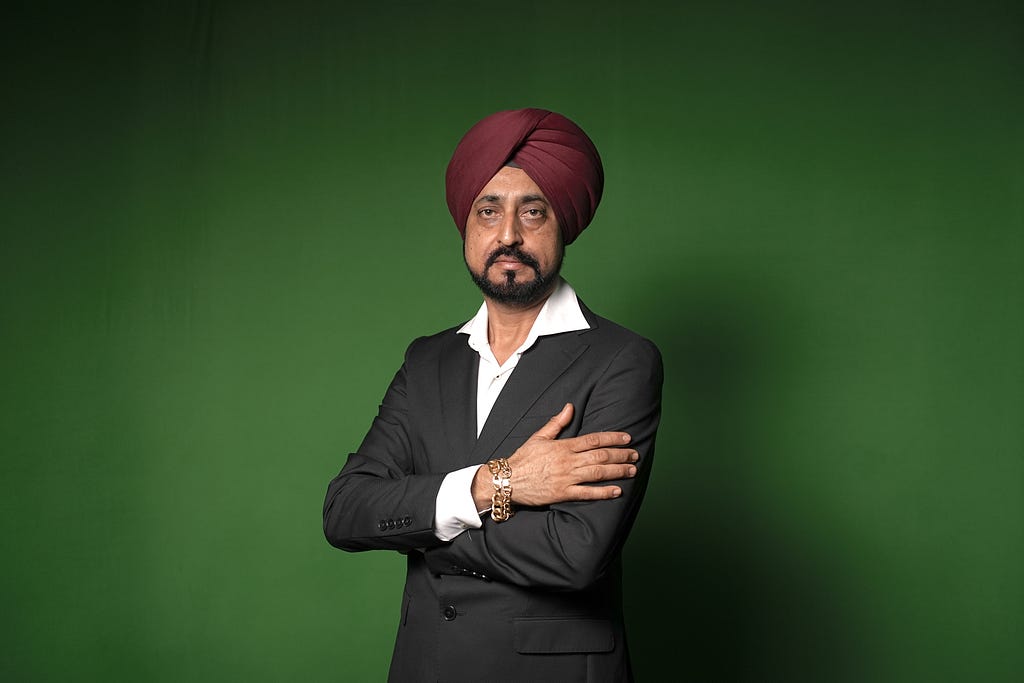
What are your “5 Things I Wish Someone Told Me When I First Started as a Restaurateur” and why?
“5 Things I Wish Someone Told Me When I First Started as a Restaurateur”
- Don’t compromise on quality: The restaurant business thrives on quality. You will only have repeat customers if your quality is consistent. By compromising on quality to cut down on costs, you will become easily forgettable. At Indian Sweet Master, I rely on local ingredients and authentic Indian spices. That’s an important part of our food and philosophy. I can never trade that for anything else.
- Take risks: Any business requires an appetite for risks. I started Indian Sweet Master by taking the biggest risk of my life. Risks help you push yourself and understand your true power. Sometimes, risks don’t pay off but they will always help you learn and become a better entrepreneur.
- Start seeing your weaknesses as your strengths: When I first came to Canada, I felt lost. I couldn’t understand the culture or speak the language very well. I thought that I had been tricked. I came to Canada for a better life but here I was struggling every single day. I took up many jobs from driving trucks to working in warehouses. But I didn’t lose sight of my dream. Today, my restaurant represents India and Indian cuisine — an essential part of who I am. I thought that the only way to be in Canada was to change myself and while adaptability is important, I never thought that I could bring my culture and food to the people here as well.
- Appreciate and learn from other cuisines and cultures: I have travelled to many countries, and I always explore different foods when I am travelling. If there’s something I like about another cuisine, I think about how I can apply it to my restaurant whether through menu development, restaurant seating, better service or anything else.
- Have some work-life balance: This business and its challenges will absorb you. Don’t forget to have fun! In my early years, I spent so much time worrying about growing the business that it became my life. Find ways to unwind and be with loved ones.
What’s the one dish people have to try if they visit your establishment?
I suggest that they try Chole Bhature (chickpea curry and fried bread).
You are a person of enormous influence. If you could inspire a movement that would bring the most amount of good to the most amount of people, what would that be? You never know what your idea can trigger.
I would ensure that all restaurants donate their extra food to an organization or a shelter. At Indian Sweet Master, we do that with our local gurudwara. Food is a source of sustenance and happiness and providing that to someone is one of life’s greatest goods.
Thank you so much for these insights. This was very inspirational!
Jasdeep Chawla Of Indian Sweet Master: 5 Things I Wish Someone Told Me Before I Became a… was originally published in Authority Magazine on Medium, where people are continuing the conversation by highlighting and responding to this story.