

True social impact is rarely glamorous. More often than not, it is built on a foundation of quiet consistency — showing up week after week, holding space for someone else’s vulnerability, and turning personal hardships into collective blessings. Whether it is engineering big data careers for neurodivergent adults in Australia, distributing heat relief kits to families in Southern California, or providing daily mental health text support to youth across 110 countries, the heartbeat of change is driven by individuals who simply refused to look away from the world’s challenges.
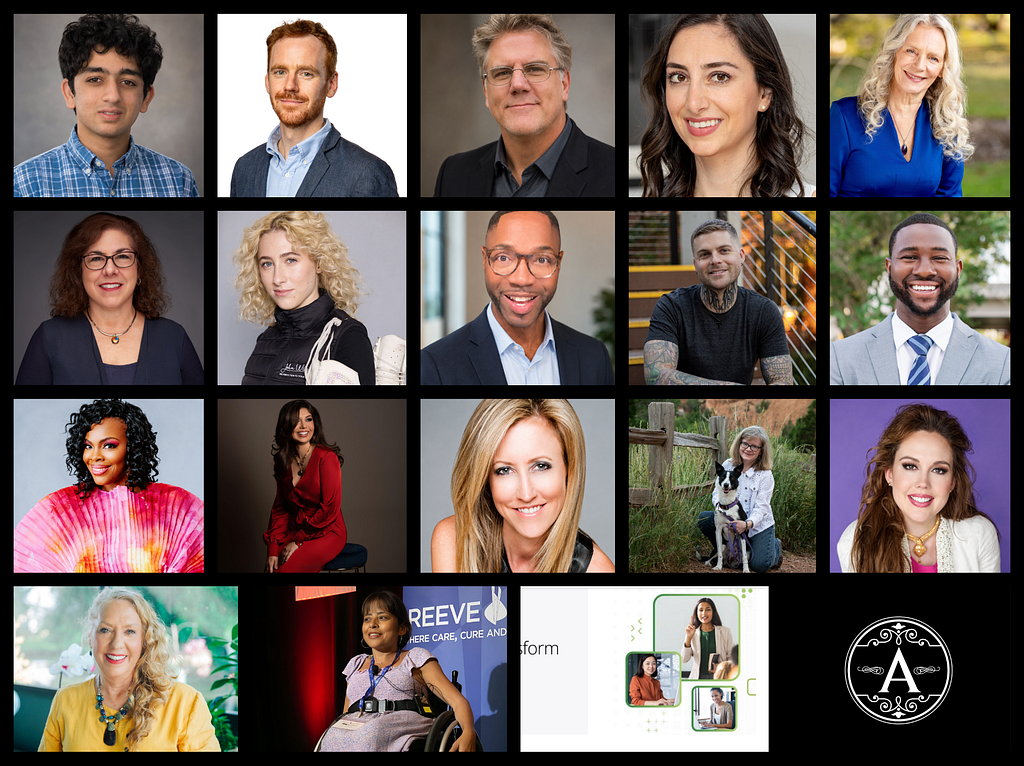
To celebrate these remarkable efforts, the Authority Magazine Social Impact Awards brought together an extraordinary global cohort of founders, advocates, and grassroots leaders. This gathering served as the official venue to honor their work and announce the final nominees for our first annual Social Impact Heroes.
Before the final selections were named, we asked these changemakers to share the deeply personal “why” behind their missions and the single most critical lesson they have learned on the front lines of advocacy. What followed was a profound, transparent conversation about resilience, authenticity, and the undeniable power of human connection.
Below is the transcript of that inspiring evening, capturing the frontline stories of these leaders and the official announcement of the 15 nominees who are actively reshaping our world for the better.
Yitzi: Amy Brand, if you could, please start and kick us off.
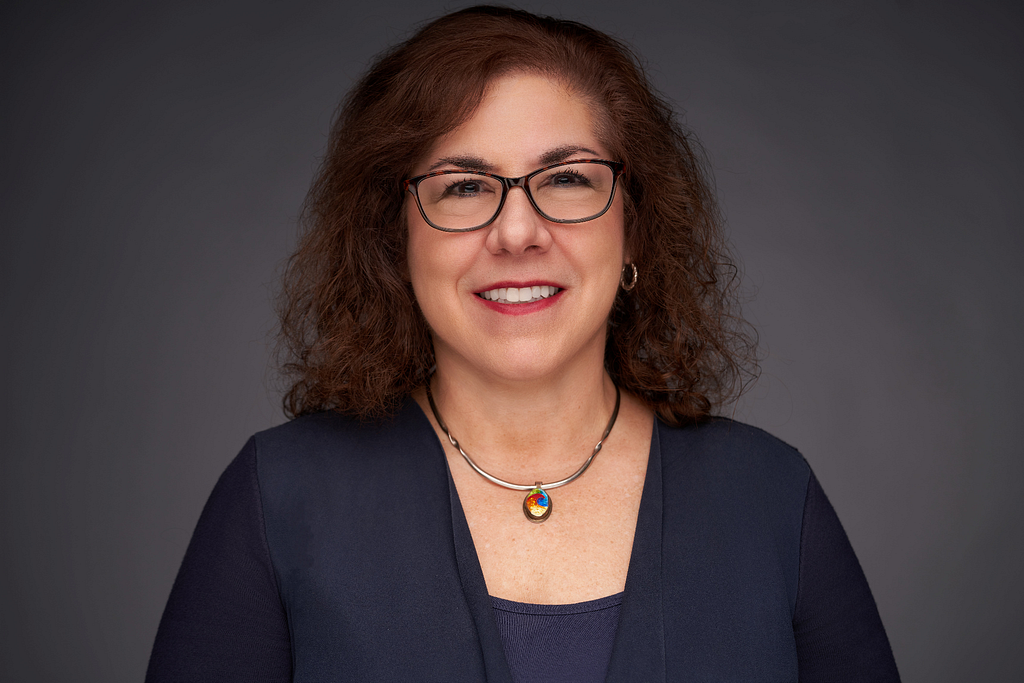
Amy Well, good evening. I am the Vice President of Advancement for an organization called Community Partners of South Florida; we’re out of West Palm Beach, Florida. I’ve been there a short period of time but have seen amazing things. I have been in the non-profit sector for over 30 years, so I certainly appreciate Diane’s comments and what you all do in the communities that you’re a part of. We have a holistic approach, but our mission is to help families that are challenged and facing adversity beat the odds and change the odds for them. We also work to affect and stop that systemic generational effect that might result from some of the situations these families are dealing with. When someone comes through our doors, we help them holistically. We help them if they are battling mental health issues, and we have families with children who are receiving mental health counseling in the school district system. We’re also helping single parents be better balanced because they themselves are feeling better about themselves and are able to achieve their goals. We also help with transitional housing for those who have had substance abuse or mental health issues. Additionally, we help first-time homebuyers — people who are looking for down payment assistance and workplace skills so they can achieve the dream of their first home. We serve about 8,000 people annually. We’re very happy that we can help anyone who walks through the door and point them in the right direction.
I think what’s really inspiring is to see how tenacious and perseverant some of our clients are. Sometimes it’s just that one thing that can really change the trajectory to be on the right path. We’ve seen a lot of those families and outcomes, and that’s really what’s rewarding about this work.
Yitzi: Everett Stevenson, welcome.
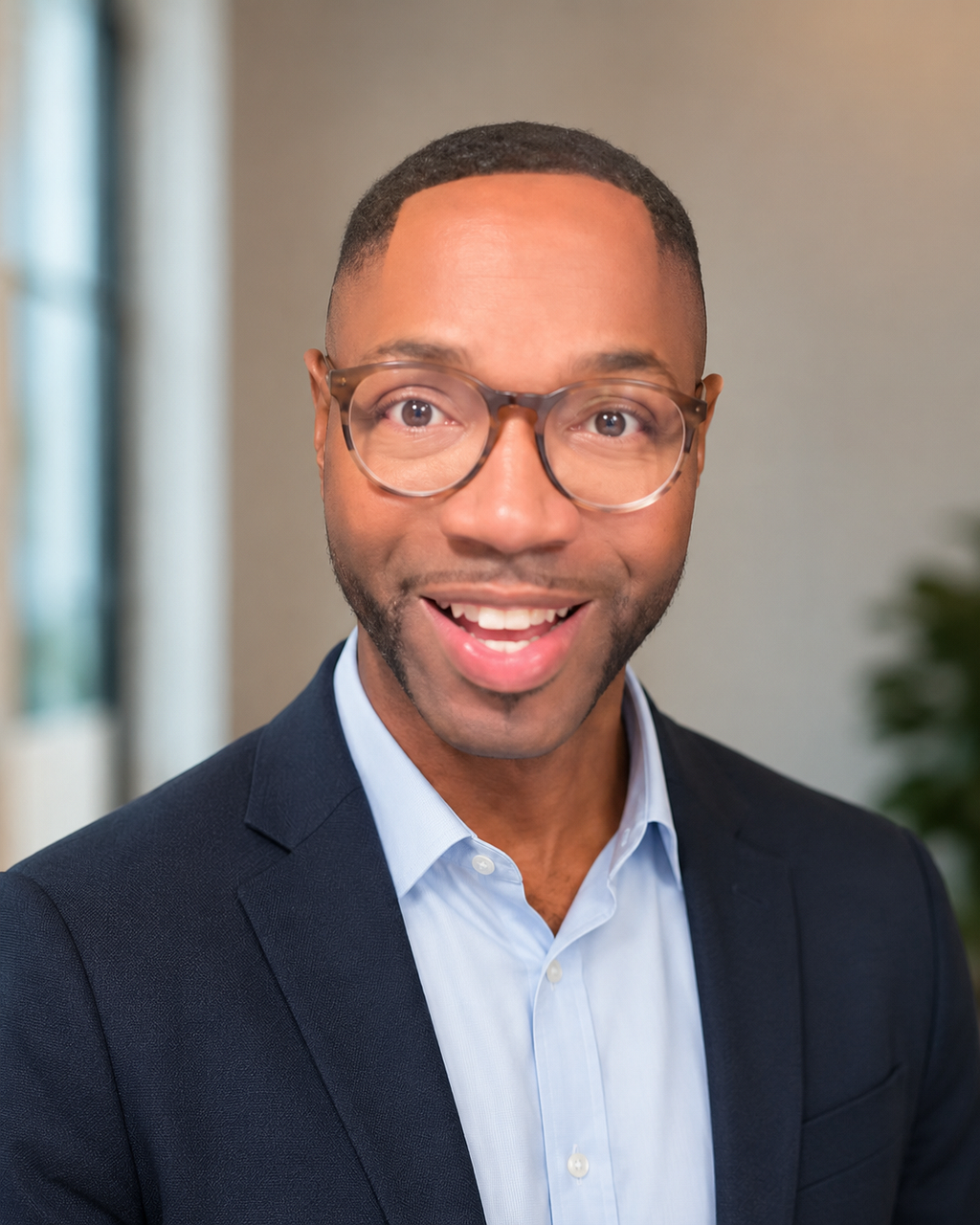
Everett Stevenson: Hello, everyone. I’m Everett Stevenson, the founder of Stage 369 and the creator of The Manifest Show. That is an educational children’s series that focuses on creativity, confidence building, and mindset development. With The Manifest Show, we have a total of nine different episodes coming out. Even though it is pitched for children, I believe everyone could learn something from it regarding developing the life they want to live through the art of manifestation and the art of taking action, believing, and creating.
The main lesson I’ve learned is actually taking the action you want to take in order to get the life you want to live. That’s what it’s all about. As I stated before, the episodes and the “manifest grounds” we’re in within the series are all about taking action and moving towards the life you want for yourself.
Yitzi: Arav Desai, welcome.
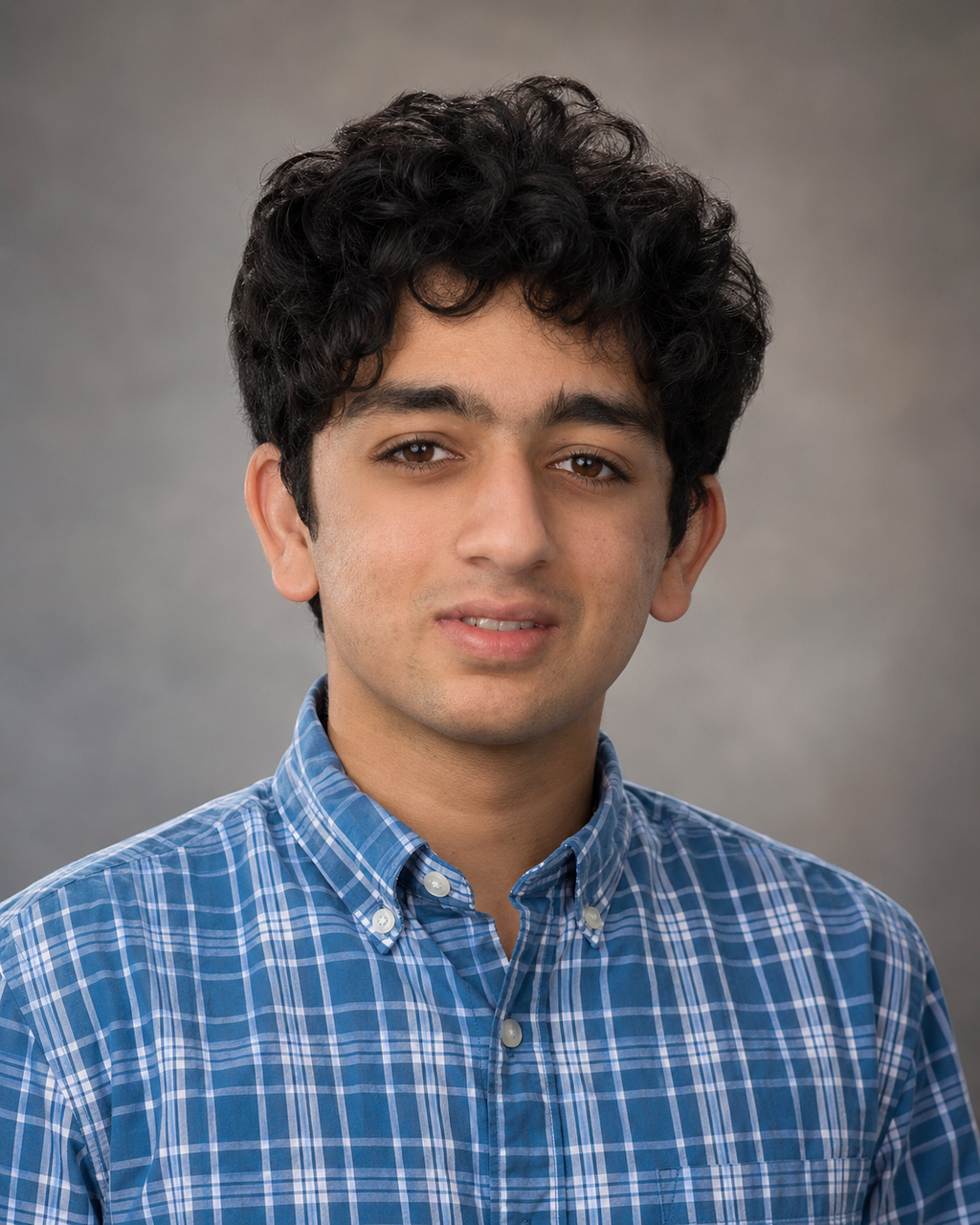
Arav Desai: Hello, everyone. My name is Arav Desai and I am the president of Conservely, which is a student-led and student-run non-profit based out of Chino High School here in Chino, California, just north of Temecula. Our goal is to solve the pressing environmental issue of extreme heat in Southern California. It is actually one of the deadliest environmental issues facing people in the United States. Unfortunately, here in the Southern California Los Angeles metro area, not everyone has access to essentials like shade, AC, water, or cooling systems that can help them stay safe, especially as heat waves often reach over 100 degrees. Our goal is to create and distribute heat kits to members of the community that include things like sunscreen, water bottles, and shade so they can stay safe in the extreme heat. We are also creating more opportunities to add shade in areas where we notice a need, such as creating tree plantings and urban shades across our region.
One lesson I’ve learned from my time as president is that credibility multiplies or gives you more opportunities to reach out and expand your operations. For example, we were able to partner with the Children’s Hospital of Los Angeles in developing and researching new ways to create shade or model the amount of people going to the hospital due to these extreme heat crises, which helped us grow our reach and expand to more members of the community.
Yitzi: Andrea Putting, welcome.
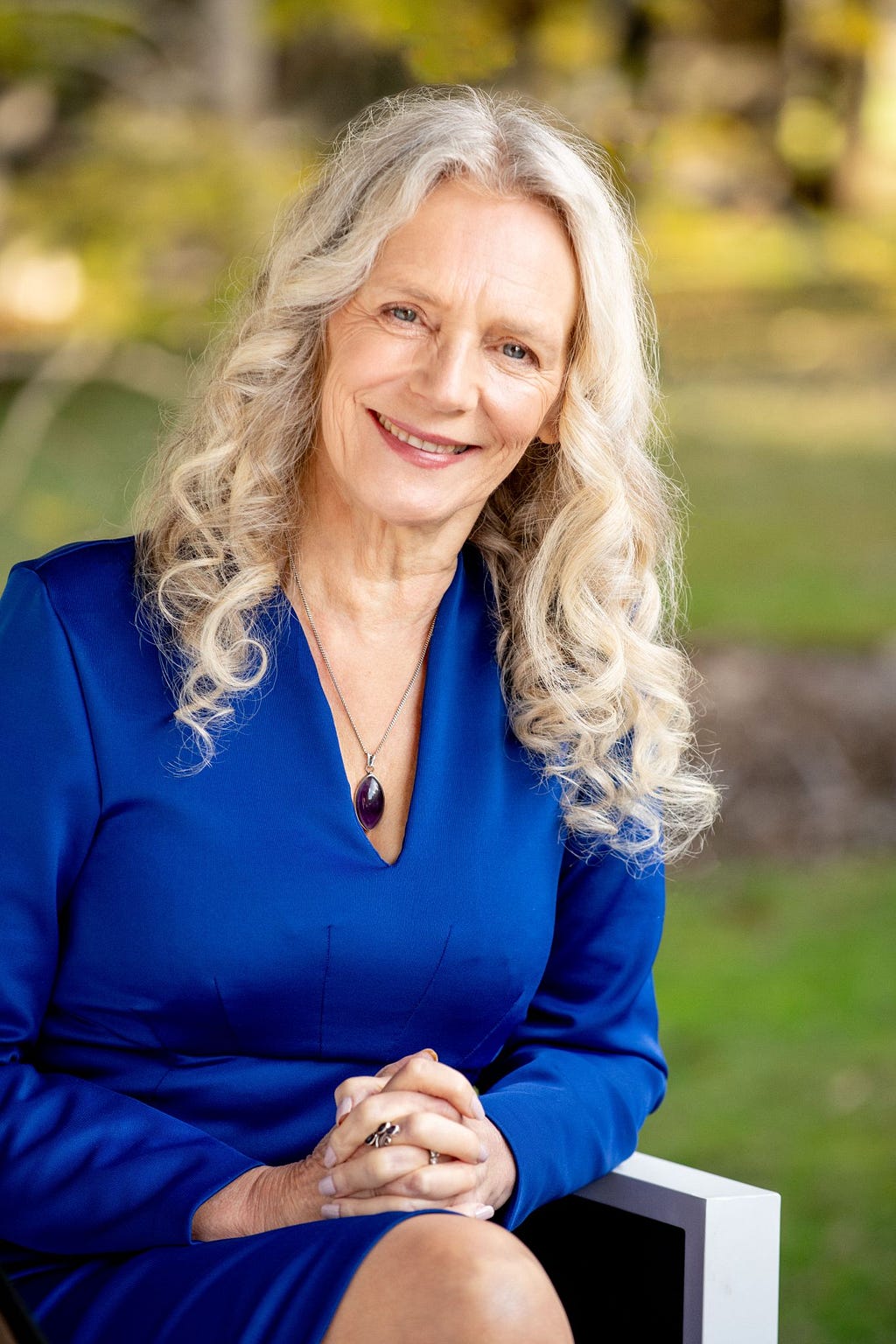
Andrea Putting: I’m Andrea Putting, and I’m from Melbourne, Australia. I am the founder of Chocolate and Coffee Breaks, a movement addressing one of the greatest challenges of our time: division. In a world increasingly separated by race, culture, politics, beliefs, and background, we create spaces where people connect as human beings first. Through conversation, understanding, and shared moments, we turn difference into dialogue and strangers into community. I’ve also taken this message to television so that I can amplify unity to a wider audience. Because when division is loud, connection must be louder.
The biggest lesson I’ve learned is that we can make a difference. Sometimes it’s the simplest things that make the biggest difference. By simply reaching out to someone and sharing a chocolate and coffee, we can change their life and their trajectory. It’s about having the courage to make that little difference, and that starts to change the world.
Yitzi: Anthony Bianco, welcome.
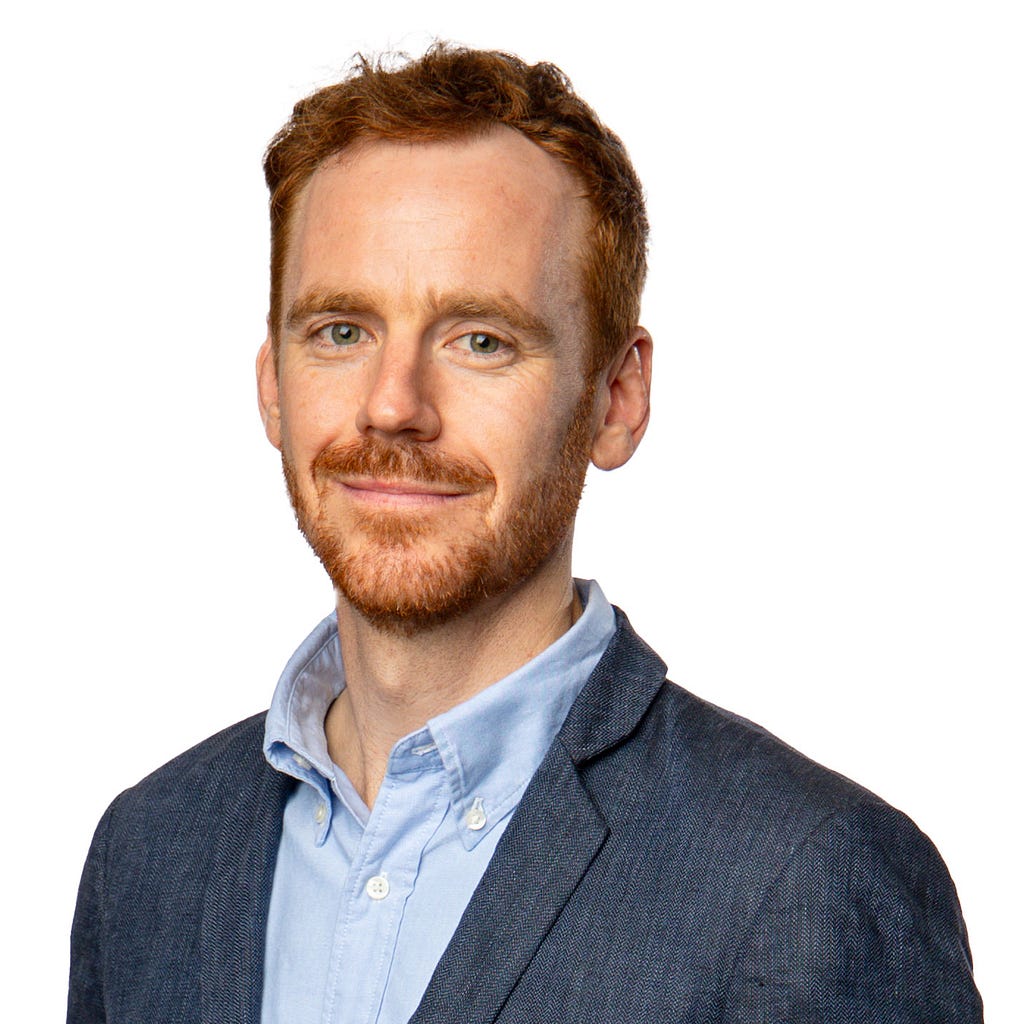
Anthony Bianco: Thanks Yitzi. I’m Anthony Bianco, the marketing and communications manager at Australian Spatial Analytics. I’m based in Brisbane, Australia, which is just north of where Andrea is. I’m representing our CEO, Geoff Smith; he’s indisposed as he just welcomed his third child last week, so you have to put up with me. I’ll give you some background: in 2020, Jeff started Australian Spatial Analytics. He used to work at a disability employment service and he got frustrated about how young autistic adults were being placed into any job — a “place and pray” recruitment strategy — instead of focusing on their interests and skills. What we do is provide young autistic adults with big data careers. Currently, they face an appalling 34% unemployment rate in Australia, and it’s a similar story in other countries. The reason for that is outdated and archaic recruitment practices which shut them out. As everyone here knows, when you go for a job, you often don’t get it based on whether you can actually do the work; you get it based on how you present yourself. Jeff took a chance and matched a talent surplus with a talent shortage. He matched autistic people who have great cognitive strengths in data to big data careers in geospatial and digital engineering. Our aim is actually for our people to leave; we are a career starting point. We bring autistic people in regardless of their background. Most of them are long-term unemployed, meaning greater than two years. The best story I’ve seen is someone who was out of work for six years before they came to us and is now at one of Australia’s top agencies. We train them on the job with big data skills and then transition them to other employers so we can backfill that position and do it all over again. Neurodivergent people — including those with autism, ADHD, and dyslexia — are often known as the world’s biggest minority group. If you extrapolate that, if they make up about 20% of the population, that’s 5 million Australians and 66 million Americans. There are probably neurodivergent people on this call. What we want to do is become obsolete and put ourselves out of business.
The thing I’ve learned about neurodiversity in the workplace is that it’s not that hard. Thank you.
Yitzi: Becky Fawcett, welcome.
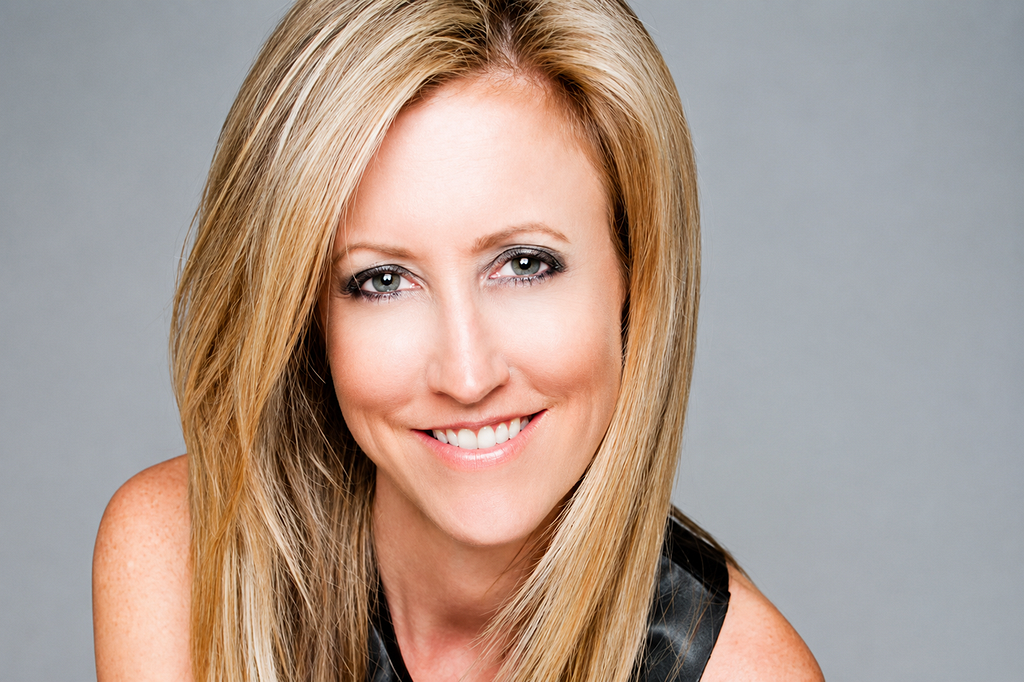
Becky Fawcett: Hi, thank you so much. I am based in New York City. I’m the founder and CEO of helpusadopt.org. This came into my life because I couldn’t have children. I went through the whole IVF process and needed help financially to adopt my two kids. I was very fortunate because of my grandmother; I spent $190,000 to have two children between IVF and adoption. I realized if I needed help with my charmed life, what was the rest of the world doing? When I started to dig into it back in 2007, I realized that the few adoption grant programs that existed only believed that adoption should be very “white-washed.” They only believed in helping a family consisting of a heterosexual white man married to a heterosexual white woman worshipping a Christian God. I said, “No way.” I wrote the business plan for helpusadopt.org, which is the only fully inclusive adoption grant program not associated with religion. Our doors are open to all. We have no application fee and we give big grants up to $30,000 to help middle-class Americans adopt their kids. Adoption can cost $50,000, $60,000, or $70,000, though no one believes that. When you make $70,000 or $100,000 as a household, how are you going to do this? If kids don’t get adopted, bad things happen to them. This started as my side hustle when I had my PR firm with $20,000.
My important lesson is that the worst thing I ever went through in my life turned into the greatest blessing. My two girls were absolutely what I was meant to do. They were meant to be my children, I was meant to be their mother, and I was put on this Earth to help those in line behind me. It has been a very cool experience and I am grateful for every job that led me to have the bandwidth to create this organization.
Yitzi: Chenadra Washington, welcome.
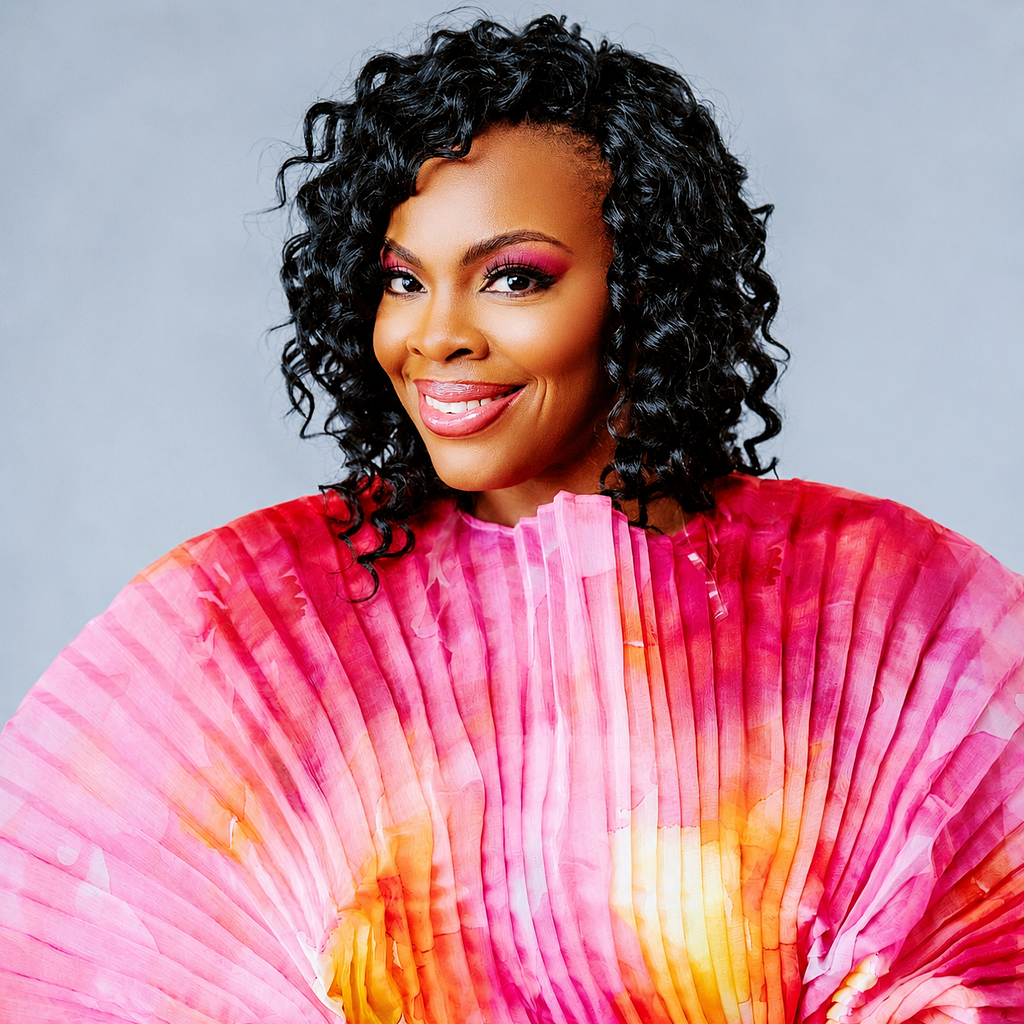
Chenadra Washington: Hello, thank you so much. Shenaja Washington here. I am the proud owner and founder of Black Orchids PR. I am based in Houston, Texas, which is very hot and wet today. I am also the founder of Her Voice Shines and HBCU Her Voice. I run two streams of podcasts as well as company magazines. I tell people I don’t need a bunch of adjectives; you don’t have to describe me as anything but a servant and a forever learner. If I’m operating in those two capacities, Shenaja Washington is doing her work here on earth, and that shows up in each and everything that I do. We are at the intersection of communications and professional development, with a layer of community engagement. As it relates to the media platforms, I tell people often that those were built from self-work — not the kind where you go build LLCs, but the kind that kept me up at night crying in self-identity and almost crisis mode. It is a direct reflection of the work that Shenaja Washington put into herself and the grace that she gave herself. I can give so much grace to other people because Shenaja has given a lot of grace to herself. It’s a direct relationship of that. You can tell I love it. If you say that I don’t love it, we have a problem because it’s in my being, it’s in my actions, and everything that I do. I absolutely love those platforms. I am a former financial services girl — 13 years in financial services, with a lot of ties to Australia; I managed an Australia team. To be here in this space, as the shy girl in the back of the room, is nothing short of a testament to someone who loves herself, her walk, and is committed to giving that grace to each and every person that she meets. It is my life. Black Orchids is symbolic because it’s a rare flower that pollinates, and when I’m in a place, I pollinate; I leave what I have to leave, and I go. It’s the fragrance of Shenaja. Congratulations to all of you that are here. I’m truly honored, and thank you so much for having me.
Yitzi: Dahryn Trivedi, welcome.
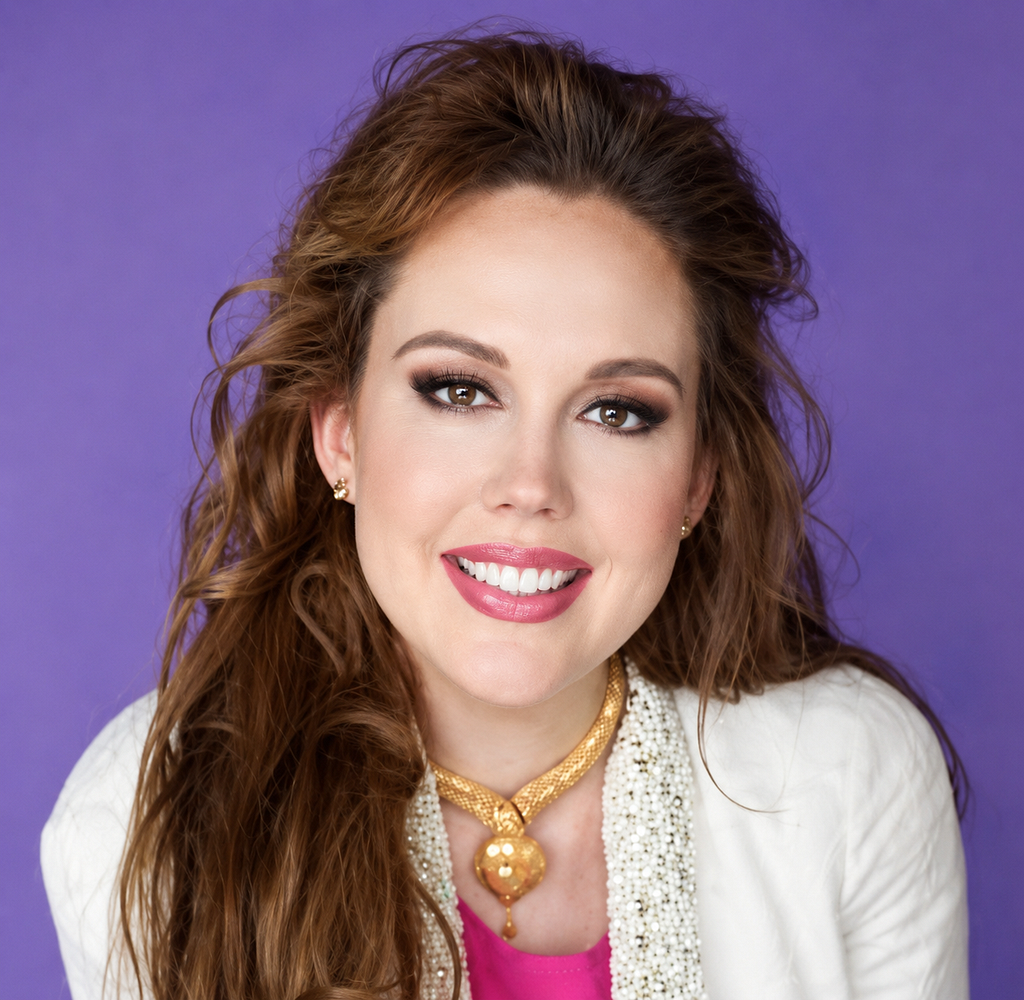
Dahryn Trivedi: Hello everyone. I’m all the way here in India. It’s 5:00 a.m. my time, so I’ll be flying out from India to Digifests shortly. I am a co-leader of a non-profit organization called Divine Connection International. Essentially, what I represent is a body of research that has been developing for over two decades, and we’re just on a launching pad of announcing it to the rest of the world. We’ve basically recognized that across all the systems of our modern world, there seems to be this huge amount of struggle in being able to address some of our most pressing problems, whether it be toxic dependency in the agricultural industry, our mental health crisis, or growing antibiotic resistance. There are just so many different issues that science, despite its huge advancement, still seems to struggle in facing and addressing. We’ve identified this as a fundamental incorrectness in the scientific picture. Basically, there’s something that science is missing, which is why it has reached this kind of stagnation in being able to address issues at a most fundamental and essential level to bring back quality of life. We’ve actually created a scientific breakthrough in our research, which contributes to over 6,500 studies. We have over 670 peer-reviewed publications and double-blind placebo-controlled clinical trials. It is very legitimate. We’ve been able to produce crop yields without the use of toxic chemicals up to 500% greater, with 600% greater immunity. We’ve actually been able to make antibiotic-resistant bacteria respond to drugs again. We’ve decreased viral loads by 80% in pre-clinical research. We’ve been able to target cancer cells, kill them, and give life to non-cancerous cells in pre-clinical research through one treatment. We’ve also been able to completely resolve mental health problems in all of our clinical trials by the end of them. What this basically points to is that there is a vital part of the scientific picture of reality that’s missing, and we’ve identified that as consciousness being the fundamental reality. Our research has actually, for the first time, taken consciousness out of theory and philosophy and been able to objectively measure it, put it in a lab, put it in the field, and get real-time results with real scientific data for the first time in history. We’re creating unprecedented data and unprecedented outcomes. This extends to over 300,000 people we’ve benefited worldwide. That’s a brief version of what we have done, but we’ve created absolute miracles in people’s lives through this, and it’s a very scientific principle. This is not a spiritual or philosophical topic; this is actually a scientific breakthrough.
From what I’ve done with this research, what I’ve learned is that the most important thing is to not break down your message and lose its integrity. I found that while this message has created a lot of resistance from both the scientific community and the layman, the most important thing is to trust in your message and trust in the truth of your words. That, more than anything, is a symbol of integrity and what you actually have to deliver into the world. I found that the moment you try to reduce the work to create impact with your words, you actually reduce the message. In fact, resistance from the community and from the world is more than anything a sign that your work is something far more revolutionary than the world can understand yet. That’s what my experience has been with this project that I’ve been working on. Thank you.
Yitzi: Danielle Collins, welcome.
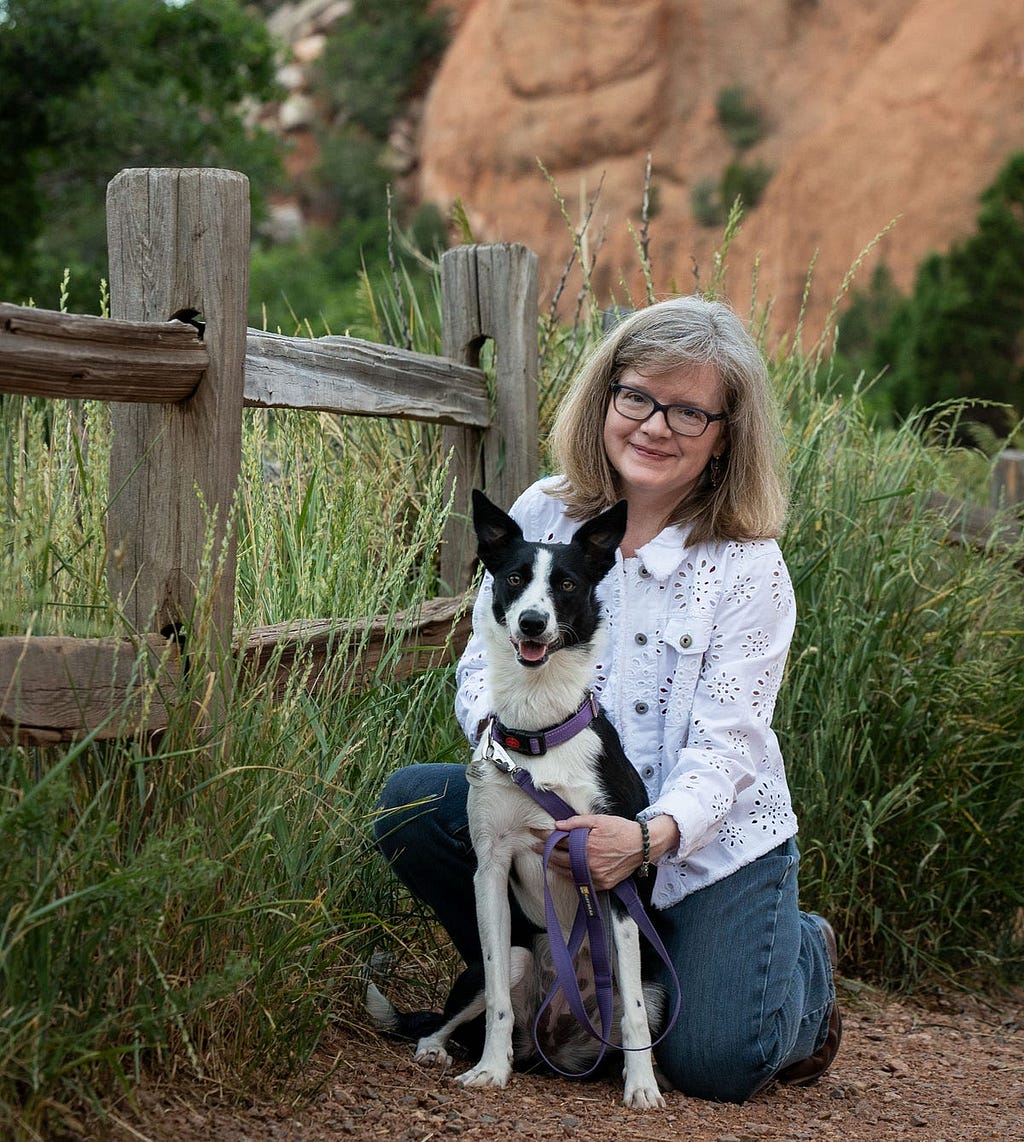
Danielle Collins: Yes, thank you. I’m excited to be here among all of you. I’m Danielle Collins, and I am an author, coach, and speaker. I help high achievers reclaim their lives by prioritizing their well-being over work. I myself am a previous fundraiser and burnout survivor. I returned to school to understand what professionals actually need to thrive. What if we have it wrong and work does not come first? This is the lesson that I learned. This realization led me to write my book, Work Comes Third: Eradicating Burnout in Overwhelmed Leaders and Their Weary Employees. When we reorder our priorities, everything changes. Our well-being comes first, families come second, and work finally comes third. When we get this right, professionals succeed without sacrificing themselves. Teams and organizations flourish, and families can finally reconnect without the residual stress of burnout. This is the future I’m working to build, and I’m honored to be here with all of you today.
Yitzi: Ed Chan, welcome.
Ed Chan: Thank you, Yitzi. Hi everybody, my name’s Ed. I am an approved clinical supervisor and also the lead clinician and trainer here at the DBT Center and Clinic of Greater Vancouver. We are situated in Vancouver, British Columbia, Canada, as the name suggests. As a clinician, my team and I offer comprehensive dialectical behavior therapy to individuals who often experience intense emotions and high-risk behaviors such as self-harm, suicidality, and substance abuse. As a trainer, we offer DBT, both in its foundational format and specialized protocols, to agencies, practitioners, community partners, schools, and so on.
One thing we learn — myself included, and it’s also a reminder we often give our clients — is that freedom is not getting what you want all the time, because that just doesn’t happen. Freedom is how you choose to respond to what is going on around you.
Yitzi: G. Scott Graham, welcome.
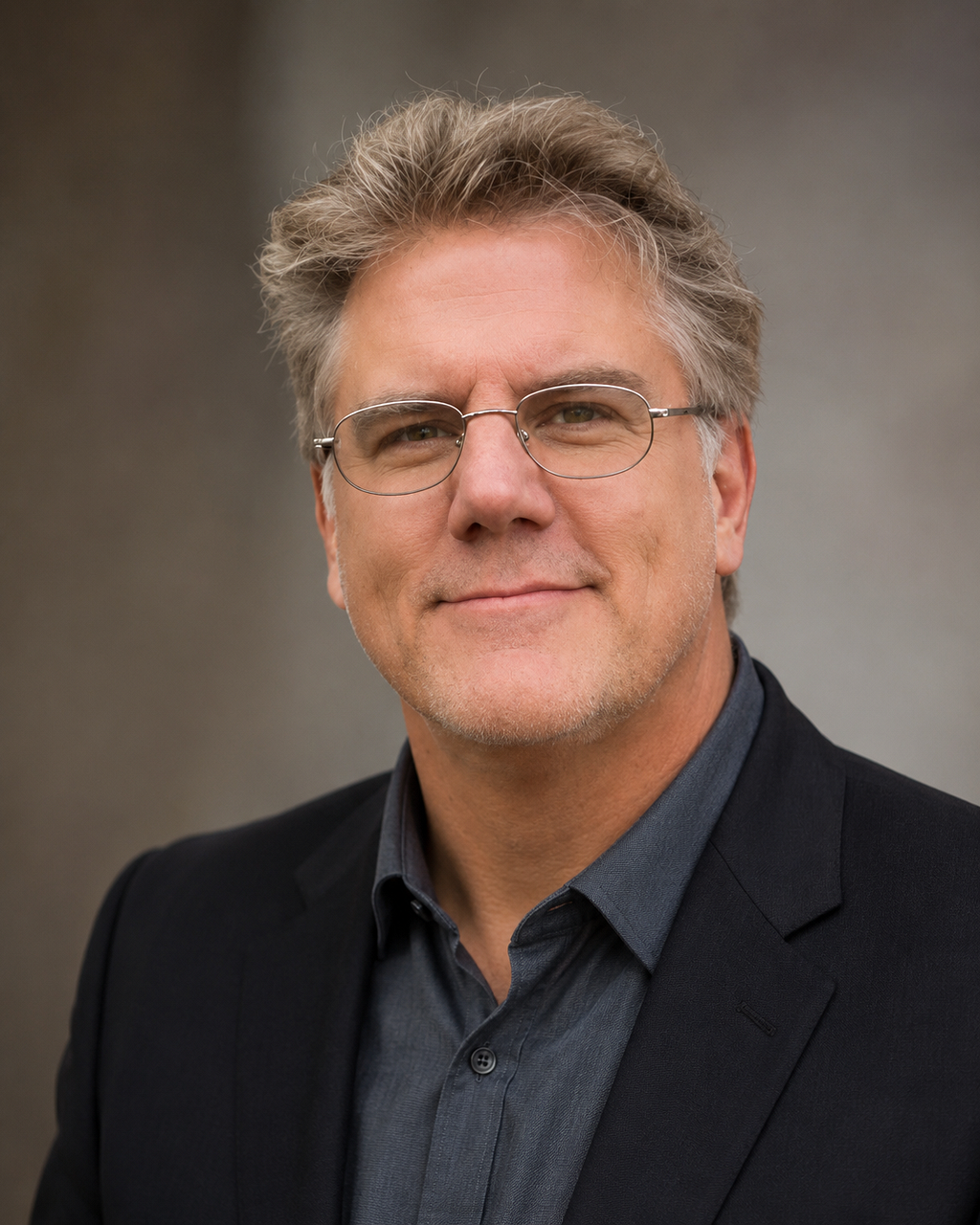
G. Scott Graham: Thanks, Yitzi. I’m Scott Graham, and I live in Vermont. Can you see me? My light was going out; there we go, my light’s back on. I’m Scott Graham, I live in Vermont, and I’ve been volunteering and working in the community for most of my adult life. I’ve been committed to service. There is no big organization behind any of this, no formal name, just me showing up consistently. I’ve been volunteering in my community first as a firefighter and then as an EMT for over 20 years. About a decade ago, my late husband and I started a farm animal rescue. What started small turned into something lasting — a place of safety and care where we actually re-home these animals. Every Tuesday, for the past six years, I’ve been teaching Tai Chi to seniors. It started during COVID, so we were outdoors, and we’ve remained outdoors. Rain, snow, or shine, it doesn’t matter; we’re out there.
The lesson, Yitzi? I’d say you don’t need a big organization or a big moment. You just need to keep showing up week after week, year after year. True impact comes through consistent, unglamorous commitment over time. Just imagine if more people lived their lives like that.
Yitzi: Dr. Habiba Zaman, welcome.
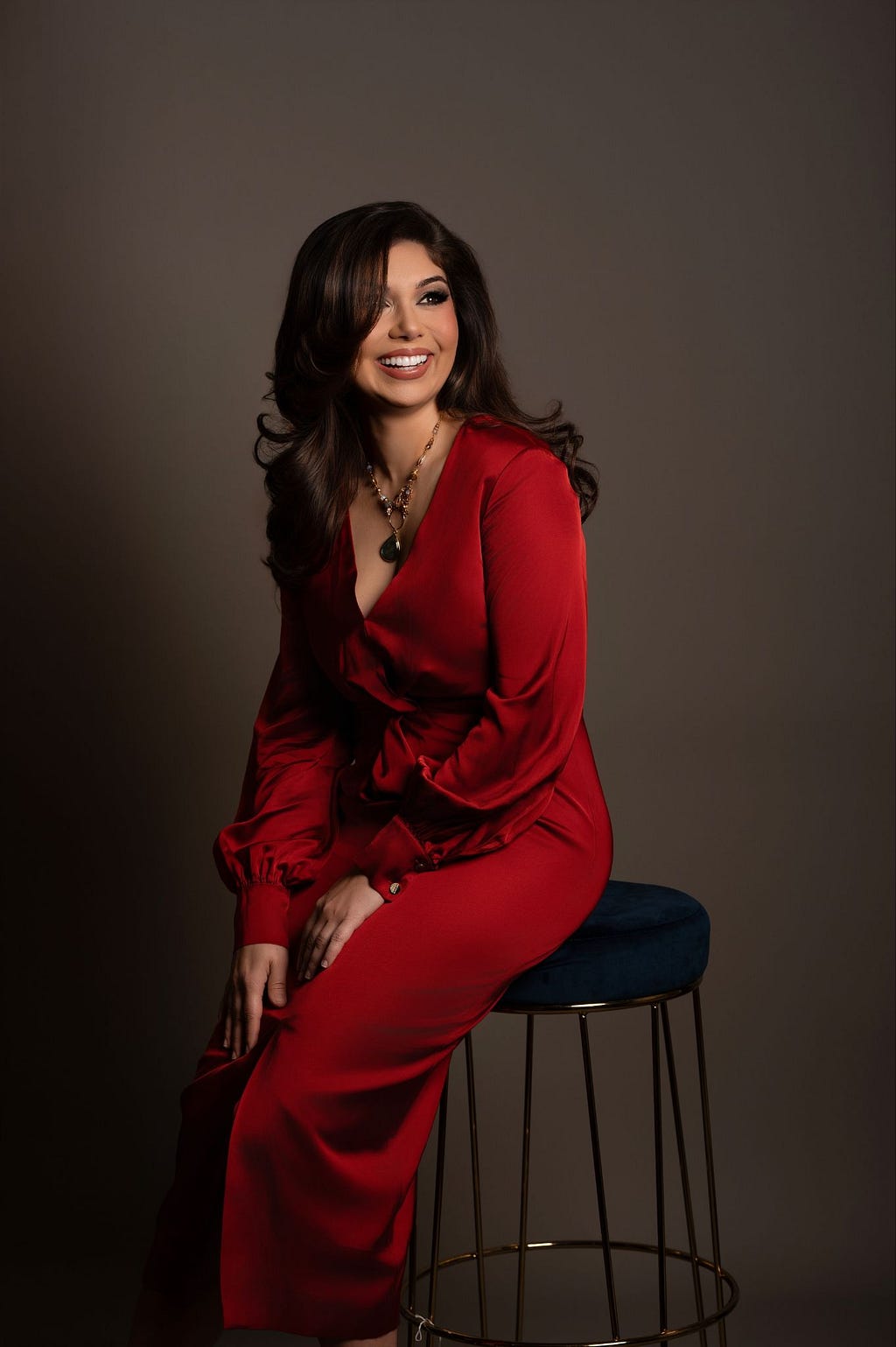
Dr. Habiba Zaman: Hello everybody. My name is Dr. Habiba Zaman. I am a psychotherapist, an author, and a mom. I have a private practice called North Star of Georgia Counseling, based out of Atlanta, Georgia. My specialty is trauma work. I spend my days helping everyone who has been impacted by any kind of trauma. Lately, over the last eight years, my passion project has been working with survivors of human trafficking. That’s where I’ve spent a lot of my time and energy, helping them heal and find their sense of identity again. In the aftermath of trauma, no matter what kind it is, the first thing you lose is your sense of who you are, why you are the way you are, why you do what you do, and how you show up in the world. In everything that I do, that’s my message: helping everyone, whether it’s through my books, at my private practice, or on my podcast. I have one called The Secret Life of Therapists. We talk about how we show up authentically in the world to heal ourselves and heal the community.
The biggest lesson that I’ve learned in doing this work over my 14 years as a practicing therapist is that there is no greater honor than being able to hold someone’s trust. I don’t trust easily, so for someone to be willing to be vulnerable with me, to hand their trust over to me, and to allow me to walk beside them is the greatest honor. The lesson that has taught me is no matter what life has given you, show up as yourself. They will judge you regardless, so you might as well just own who you are, how you are, and give everything you’ve got. Thank you, everybody. It’s an honor to be with you all tonight.
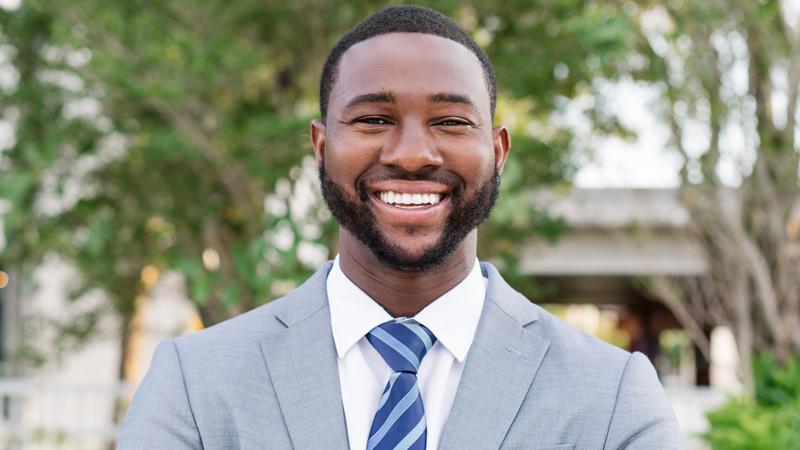
Yitzi: Jefferson Noel, welcome.
Jefferson Noel: Hello everybody. My name is Jefferson Noel, and it is such an honor to be here. First of all, I already feel as though I received an award simply by being in the presence of all of you. I understand exactly what you mean, Diane, when you say it was extremely difficult for you. I’m a university professor, and I thought grading papers was hard, but your job is way harder than mine. Thank you, Yitzi; thank you for this opportunity. As I said, my name is Jefferson Noel. I’m a professor, and I’m also the founder of Barbershop Speaks. We host intelligent discussions inside barbershops and beauty salons, and we’ve been doing that for about 10 years. We have conversations on financial literacy, mental health awareness, education, reading literacy, civic engagement, and a whole lot of other topics. The topics have been extremely impactful for the community. In addition to the dialogues we have, we also partner with The Children’s Trust to put bookshelves inside barbershops so kids can have books to read while waiting for a haircut. They can actually keep those books with them and build their own personal library at home. We’ve also used barbershops as donation drop-off sites. If there’s a natural disaster somewhere, we will activate the barbershops as donation sites, take those donations, and bring them to people in need. We’ve had “Brunch with Kings,” where we celebrate fathers in the community, and photo shoots for mothers. We’ve been doing this all throughout Miami-Dade County, but we’ve also had dialogues in Orlando, Atlanta, New York, Philadelphia, Washington D.C., and most recently, in Nigeria. I’m super excited about that. We’ve also done some work in Haiti as well. I am deeply grateful for all of the lives being impacted.
One of the biggest lessons I’ve learned, because it’s difficult to choose just one, is how hungry the community is for these dialogues in these spaces. When I initially started this in 2016, if you look at my old flyers, I used to put “we’re going to have free food, we’re going to have performances.” I used to say all these things to try to get people in. I realized they genuinely came for connection. They genuinely came to build with one another, and that’s been a beautiful lesson. We do this around the country, and now in Africa and Haiti, and everywhere it’s the same response: as humans, we deeply want to connect with one another. Thank you for this opportunity, and thank you to all of you. I’m going to give you all a round of applause for all that you are doing. No, don’t clap, I’m giving you the applause. Thank you all so much. I love you all, and it’s an honor to be in this space.
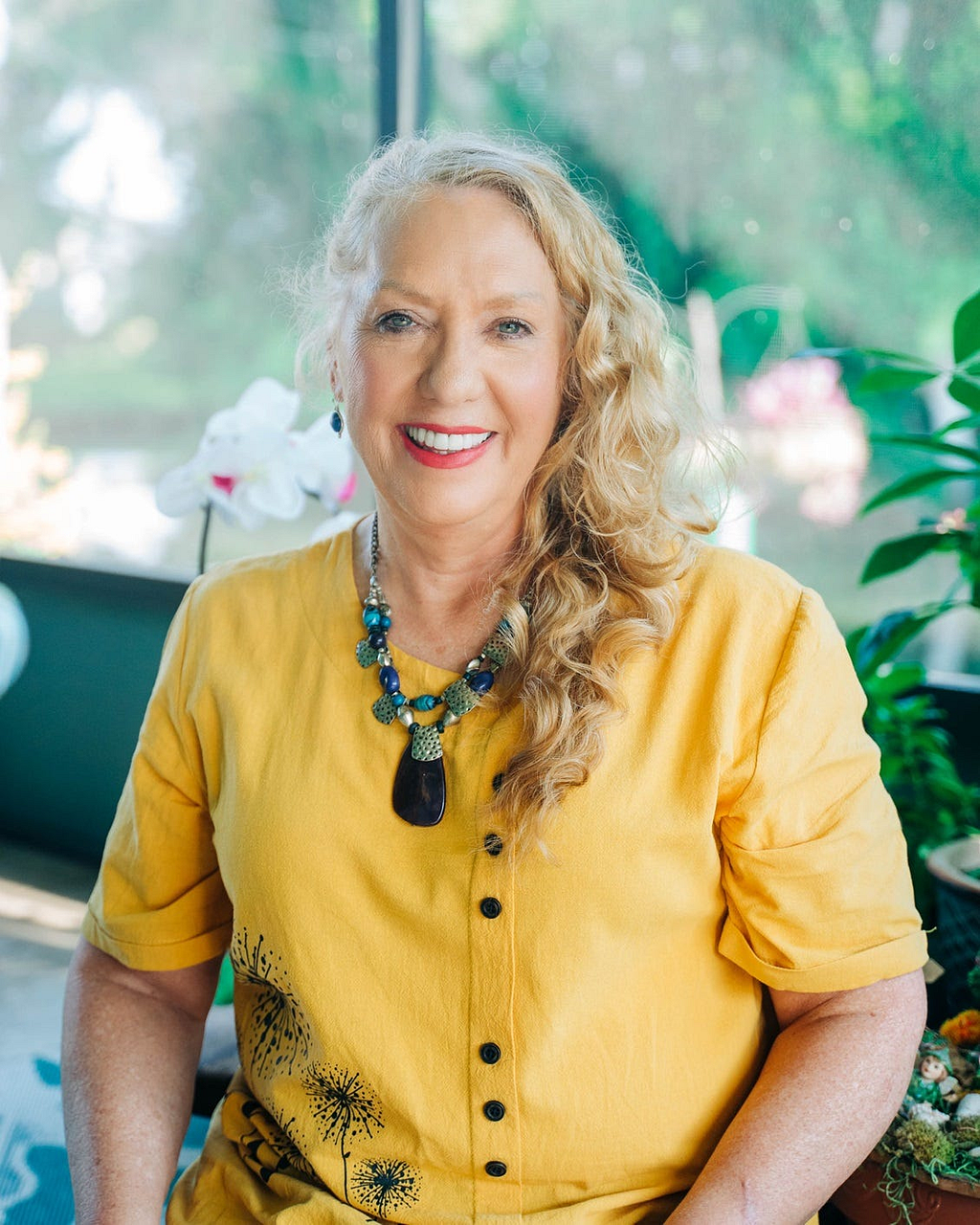
Yitzi: Joanne Williams, welcome.
Joanne Williams: This is a very distinguished group; I agree. I began my career as a therapist in a children’s mental hospital and later worked in a children’s advocacy center, supporting children impacted by abuse and domestic violence. Thirty years later, my work continues to be rooted in the treatment of deep psychological wounds, even developing my own technique, Emotional Tension Release, along the way. The most impactful lesson that I fell into, and which has been one of the most effective treatments for my clients, is guiding anyone with anxiety — mostly with PTSD or trauma — to recovery by qualifying them to use their own dog as a psychiatric service dog under the Americans with Disabilities Act. This addresses their emotional disabilities, giving them back a sense of safety, independence, and control in their lives. I bring a blessed combination of lived experience that has become my biggest strength, creating an intuitive clinical expertise in the recovery process from my own emotional scars left by psychological injuries. Today, I continue my calling as a therapist. I’m also the host of my own podcast, Anxiety Simplified, a published author in Authority Magazine, and the author of my own children’s book helping parents talk about emotions. I continue my service today to the most vulnerable. I’ll even introduce you to my little service dog, Riley, to show they can be any size. He helps me with panic while flying, proving they can be of any size and can help anyone with these kinds of symptoms. Thank you.
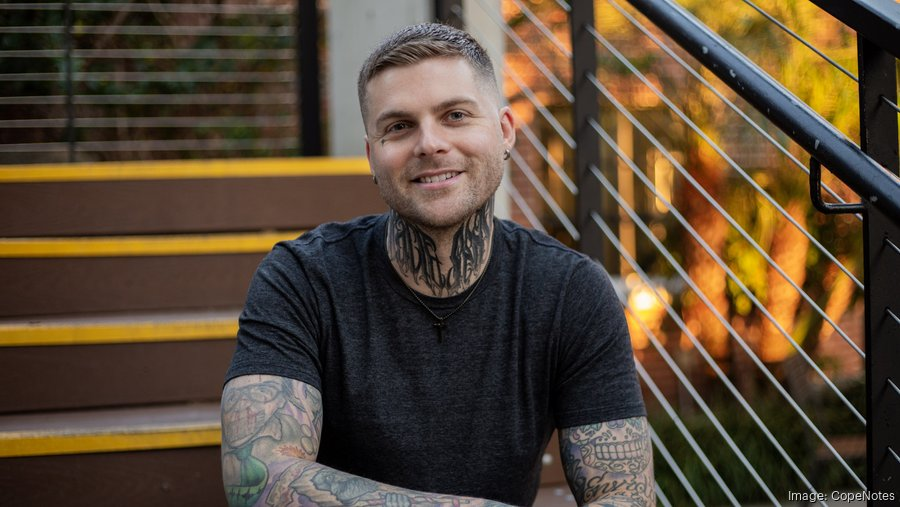
Yitzi: Johnny Crowder, welcome.
Johnny Crowder: What’s up? I wish I had a dog. I do have a dog; she’s just not here. This is an old slice of pepperoni pizza. She has nothing to do with what I do for work, but I love her and she’s far more important. Hey, I’m Johnny, great to meet everybody. I absolutely love how many people on this call work in mental health and trauma. I run a mental health company called Cope Notes. We provide daily mental health support for youth and adults via text message all over the world, in about 110 countries. I grew up in an abusive household with a bunch of different mental health diagnoses. I refused to see anyone who wanted to help me because I didn’t trust them at all. It took me a long time to feel my feelings and go to treatment. I went to school for psychology and I’ve been running the organization ever since. When I was growing up, you couldn’t pay me to talk about mental health, and now people literally pay me to talk about it. I travel all over the world speaking about it and helping people like me who think they’re so tough with all their tattoos and powerlifting that they don’t have to feel their feelings. Yes, you do, just like everybody else.
Honestly, the thing I’ve learned that was really surprising to me is that when I started working in mental health, I was so nervous. The mental health professionals will know what I’m talking about: I’m a peer specialist. My expertise is my lived experience with mental health conditions, but I’m not a doctor. I don’t even have a master’s in psychology. When I went to a conference, I remember going to JC Penney and buying a suit jacket for 40 dollars that was way too big. I had spent a lot of my life touring in a death metal band. I know you’re wondering, “Really, this guy?” but yes, that was a huge part of my career. I thought I was supposed to hide that. I didn’t want potential clients to see my tattoos; I wanted to appear more professional and educated than I was. I wasn’t making a lot of progress, and then I finally decided to just be 100% myself. If people don’t like it, then I’m going to be in the same situation I’m in right now. Much like a few other people pointed out, the more yourself you are and the more unashamed you are, the better. I grew up the way I grew up, in the neighborhood I grew up in, with the parents I grew up with, and my career path looks like it looks. The more straight up you are about it, the more people realize they can trust you because you’re being authentic. So, just a friendly reminder: if you feel you’re not qualified to do the thing you want to do, neither is almost anybody who’s actually doing it, so just go for it.
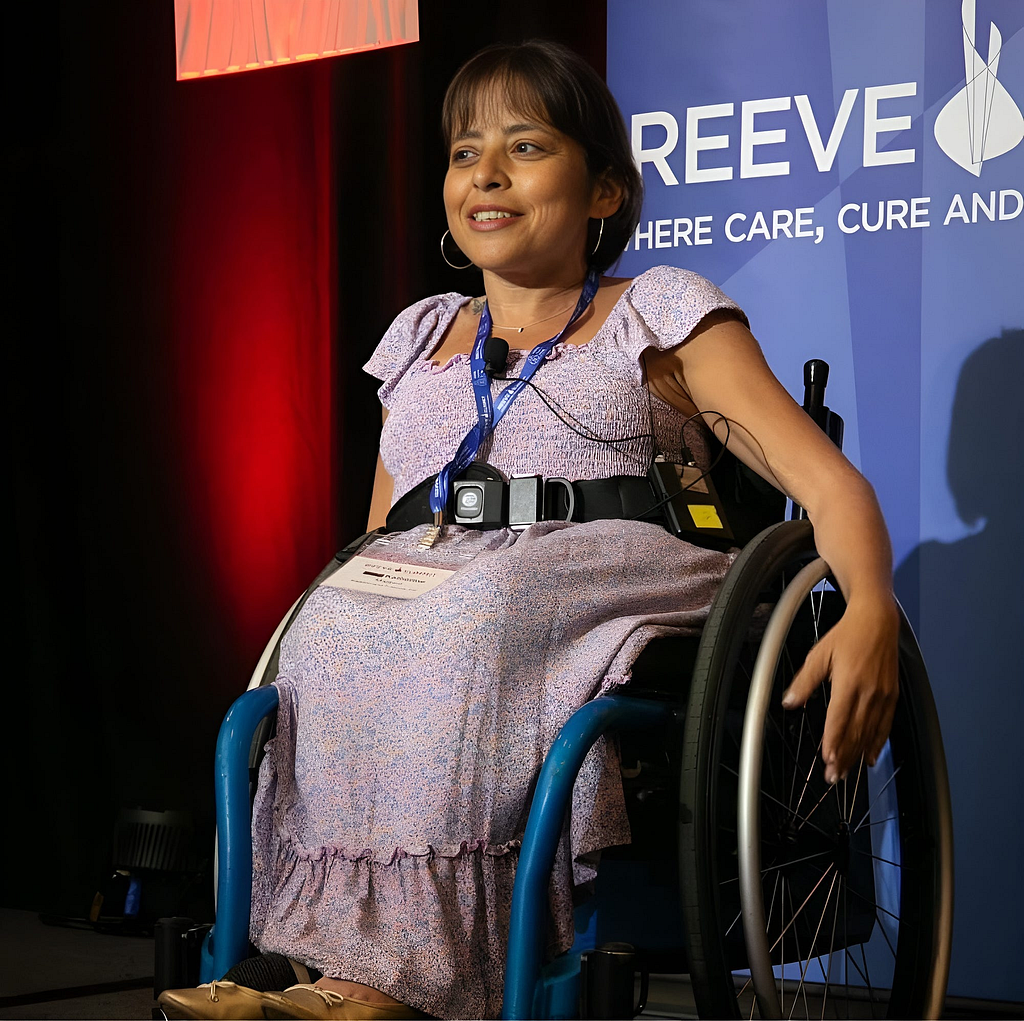
Yitzi: Katherine, welcome.
Katherine Magnoli: Yes, hi. Thank you so much for having me, and I just have to echo that everyone on this call is absolutely amazing; I’m honored to be here. To tell you a little bit about myself, my name is Katherine Magnoli, and I am a person living with a disability called spina bifida. This has led me down a very interesting journey in life. I grew up in a very small town where there was little to no diversity, and I experienced a lot of ostracizing and bullying growing up. This had a pretty deep impact on me. Luckily, life sends you messages when you need them most. I met someone who opened the first door to my advocacy, which was to help in a classroom filled with children on the autism spectrum. Just being around their energy helped me probably more than I helped them. I was there to educate them on their ABCs and 123s, but they helped me accept my own disability. While I watched them navigate their own episodes of bullying, it really gave me the courage to go out and show people who I am. One of the ways that I do that is by writing children’s books called The Adventures of Katgirl, which I have read to thousands of children throughout the 14 years that I’ve been doing this. It’s such an interesting experience because every time I wheel into a classroom, I get the same reaction. Kids are always like, “Oh my gosh, she’s in a wheelchair,” and I’ll ask them, “How does this make you feel?” They’ll tell me, “It makes me sad, it makes me worried, it makes me scared,” and I’ll show no judgment; I’ll just pick up my book and read it to them. Within an instant, I see what I call the “Katgirl effect,” where they’re smiling and engaged with the story. When I’m done, I put down the book and ask them, “Now how do you feel about seeing me in a wheelchair?” and they say, “You’re so cool, does your chair fly too?” Katgirl is a superhero in a wheelchair who helps kids who are being bullied. That is what I do.
I think the biggest lesson that I’ve learned throughout my entire journey — and again, I have to echo everyone else — is to just go out there and show the world who you are. Within a matter of minutes, you can change their perception and truly make an impact on their lives.

Yitzi: Mark Salaskas, welcome.
Mark Salaskas: Hi everyone. My name is Mark Salaskas, and I’m here speaking on behalf of ISC2. Like the previous speakers, it’s an honor to be included here amongst all these incredible honorees and stories. The 50 by 50 movement represents a meaningful commitment to advancing women in cybersecurity by expanding access, opportunity, and support for those entering and growing in the field. Efforts like this are critical to building a stronger, more innovative, and more resilient cybersecurity workforce, and we’re proud to make that vision a reality. Although I don’t want to speak on behalf of ISC2, if there’s one lesson I’ve taken away, it’s that small efforts to support and uplift others can have a really big impact over time, especially in a field like cybersecurity. It creates potential and college credit with no debt. Since 2020, we’ve moved more than 5,900 people through these kinds of pathways. Most of these folks could never afford to put their lives on hold and go into debt to reskill for future careers. Most of them have seen an increase of over $25,000 in annual wages, without debt. Six years ago, I helped a Marine parachute rigger become a consultant at Red Hat IBM inside of six months. That’s what happens when you build a real bridge.
The one lesson that I’ve learned is that work-based learning has a social impact that you can directly measure, one apprenticeship at a time.
Yitzi: Sydney Zetune, welcome.
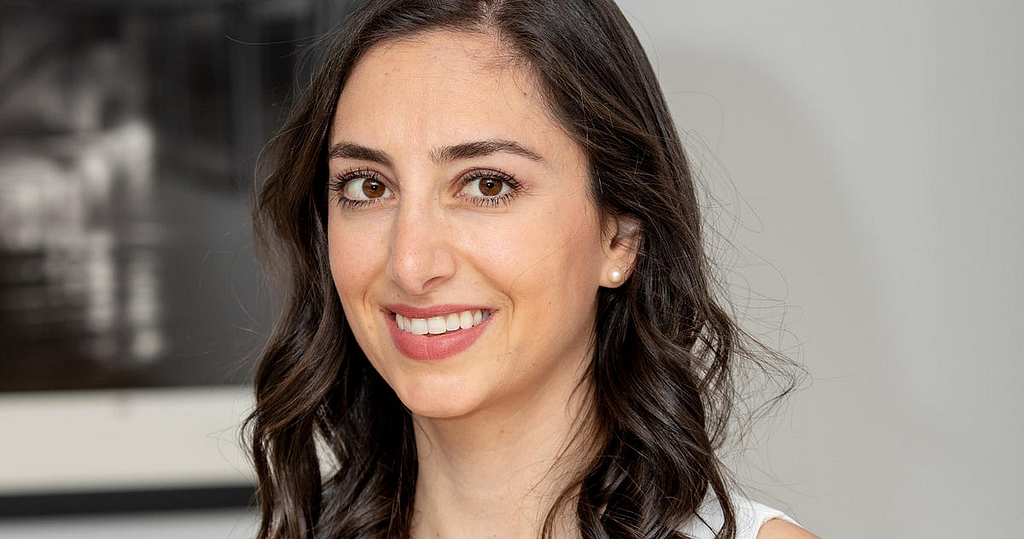
Sydney Zetune: Yes, hi everyone. Thank you so much for sharing your wonderful stories. My name is Sydney, and I am the executive director at Feast. We are a Los Angeles-based organization that works in the community health space. The communities that we work with are facing compounding challenges. They face food insecurity, but they also face chronic stress, social isolation, and high rates of chronic disease. These are all issues that compound each other. When we’re stressed, we’re more likely to have a chronic disease; when we don’t have food, we’re more likely to have a chronic disease. Low-income communities and communities of color here in South Los Angeles that face one of these issues typically also face all of those other issues at the same time. We provide cohort-based nutrition programs that address food insecurity, but they also address social isolation and chronic stress through what we call sharing circles. During the first part of our class, we teach practical nutrition education and healthy cooking demonstrations. We provide food access through both fresh produce distribution and weekly grocery gift cards to help our participants purchase the ingredients of the new recipe they learned. This way, they can bring it back to their families and test it out to make sure everyone likes it before they go and spend their limited budgets on these new foods. The second part of the class — and I think this is a theme that I’ve heard across almost all of your organizations — focuses on social connection and mental health. During our sharing circles, the facilitator, who is a community member and often a program graduate that we’ve trained, introduces a topic of conversation. During this hour, the 15 participants sit in a circle and just share. What is very powerful about these sharing circles is that we mostly serve women heads of household, and we hear these women say, “This is the first time that somebody asks me how I am. I am always thinking about my partner, my children, my mom, and everyone around me, but nobody asks me how I am.” These circles provide spaces where women share, build connections, realize that they are not alone in their struggles, and process their own relationship with food. We talk about things like emotional eating, body image, and traumas from their childhood. Maybe they faced food scarcity then, and we discuss how that affected their mental and emotional well-being. We offer three programs. We have our wellness curriculum for adults and family feeding, where we support parents of children zero to five in teaching kids how to eat the rainbow, get involved in cooking, and make going to the grocery store a fun family event rather than a stressful outing. This year, we are trying to launch our maternal nutrition program, which will support women during pregnancy.
The most important lesson that I’ve learned is that it’s crucial to ask communities what they need and what their lived realities are, and to build programs from their perspective and from the ground up, not the other way around. I am very proud to say that we have community members and former program graduates involved from our board to our staff, down to the women facilitating our programs. Community presence is found across the board in the organization. I’m probably going to get off camera because I need to go deal with my kids, but I am very excited to hear about the announcements, so I’m just going to turn my camera off, but I’ll be here. Thank you.
Yitzi: Moya Crowly, welcome.
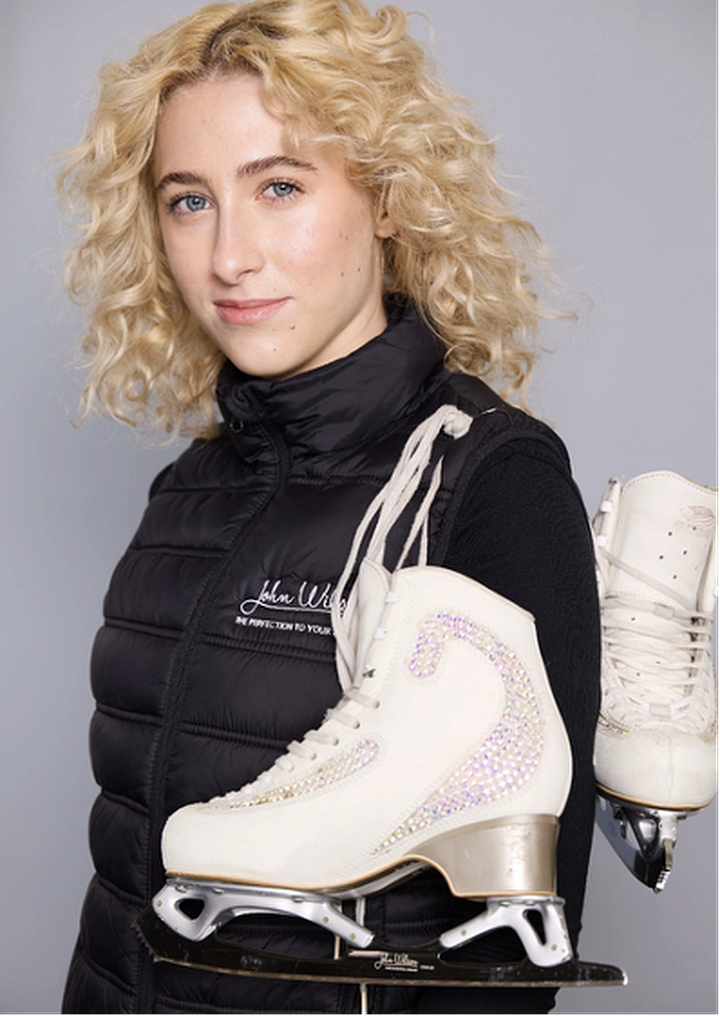
Interviewee (on behalf of Martha Eliza Miller): I’m just here on their behalf for the Martha Eliza Miller Foundation. The Martha Eliza Miller Foundation was founded by 19-year-old Martha Eliza Miller, who by the age of 19 raised over one million dollars for scoliosis awareness. Martha was diagnosed with scoliosis at the age of nine and actually had to turn down a U.S. Olympic figure skating career due to her diagnosis. Following that, she partnered with Children’s Hospital of Los Angeles, where two rooms at the hospital now bear her foundation’s name. She’s hosted several annual galas based in Los Angeles, including one at Michelle Kwan’s ice rink, and she’s also been trained by Olympic figure skaters. She couldn’t join this call because she was actually cast in a Sweeney Todd production in Arkansas, so she has a very busy schedule coming up.
I think the one lesson that has been learned from Martha’s work and founding the organization is that resilience is key. Making that accomplishment of raising a million dollars for scoliosis awareness before the age of 19 is an incredible feat, and Martha is basically doing it all on her own. She recently was covered in People magazine, highlighting her story and the national growth and impact that the organization hopes to have over the next year or so.
Yitzi: I want to thank every one of you for your amazing work. Thanks so much for joining us. I really encourage each of you to collaborate with each other. Hopefully, everyone is listed in the participant screen. If there’s somebody here that you want to connect with, please reach out to them. I would love for this to create some kind of collaboration, synergy, or synthesis, because each of you are really special people.
Now we’re going to announce the nominees. Really, every one of you is a winner inherently. We only had 15 slots. Even if you weren’t chosen this time, we encourage you to try again next year.
Okay, so without further ado, we’re going to announce the nominees. If we call your name, kind of like what they do at award shows, if you could just say a quick thank you for 30 seconds, and then we’ll go to the next person.
Our first nominee for our first annual Social Impact Heroes is Johnny Crowder.
Johnny Crowder: Yeah! How did I get number one, was it alphabetical or what? Thank you guys. I want to be friends with all of you, so if you didn’t get a request from me, it’s because I added the wrong Ed Chan or something. Please look me up. Thank you, Yitzi, for putting this together. This is a very interesting assortment of people who are doing really cool things. Sometimes, honestly, building can feel lonely, so it’s cool to be surrounded by a couple dozen people who are doing the same thing.
Yitzi: Thank you so much for your great work. We’ll be in touch about the next steps. Our next nominee for the Social Impact Heroes is Jefferson Noel.
Jefferson Noel: Oh! Thank you! I just wanted to say thank you all. I appreciate this. This means a lot. Lives are being changed because of everyone in this room, and I know the world is becoming better because of all of you. Thank you. It’s an honor to receive this.
Yitzi: Jefferson, thank you so much for your amazing work. Our next nominee is Sydney Zetune.
Sydney Thank you so much. I am so excited. Congratulations to everyone who gets nominated today. Thank you.
Yitzi: Wonderful. Our next nominee is Anthony Bianco.
Anthony Bianco: That’s awesome. Thanks so much. Yes, I’m back next to the fire alarm. You’re all doing amazing work, so just keep it up. You’re all winners as far as I’m concerned. I’m really looking forward to what happens next, so thanks everyone.
Yitzi: Our next nominee is Mike Roberts.
Mike Roberts: Oh my gosh. Thank you so much. It’s an honor again to be surrounded by all the folks that are doing just amazing work, and to have the opportunity for us to highlight all the tremendous people that are in the space of helping others. I have to give it up to my team who makes life-changing journeys happen for transitioning service members every day. Thanks again, I appreciate it.
Yitzi:Our next nominee is Andrea Putting.
Andrea Putting: Thank you. I was surprised and I appreciate it. I feel that everyone else is doing a lot more than what I am, so it’s wonderful for what I do to be acknowledged. Thank you.
Yitzi: Keep up the amazing work. Our next nominee is Arav Desai.
Arav Desai: Wow, thank you so much for this award. It was very inspiring to hear all of your work, and I am really excited to achieve this award. Thank you so much, guys.
Yitzi: Amazing. Our next nominee is Ed Chan.
Ed Chan: Still here. Down to the last minute; I have to leave in about 35 seconds. Thank you all for having me, and hopefully, my wife isn’t getting angry that I’m leaving late. Thank you.
Yitzi: Amazing. Okay, our next nominee is Martha Eliza Miller.
Spokesperson for Martha Eliza Miller: Thank you guys so much! Martha and her mother are going to be so excited. As other people have said, we are super honored to be amongst so many honorable mentions. I’m sure I’ll tell them right after this call. Thank you again.
Yitzi: Thank you so much for your great work. Our next nominee is Everett Stevenson.
Everett Stevenson: Oh wow. I just want to say thank you so much. It is an honor to be around so many creatives and great individuals. We should all keep connected. Thank you.
Yitzi: Amazing. Our next nominee is Mary Catherine Magnoli.
Katherine Magnoli: Oh my goodness! Thank you so much! I am sitting here thinking this is crazy because there are so many amazing people on this call. I am just so honored to be one of the people chosen. I look forward to seeing what the next steps are. Thank you so much.
Yitzi: It’s so nice to meet you, such amazing work. Our next nominee is G. Scott Graham.
G. Scott Graham: Wow. I tell you, had you done the nominees before I heard everybody, I would have been like, “Yeah, whatever.” Now I feel so deeply honored. This is an amazing group of people, and what a privilege it is to be here among you all.
Yitzi: Our next nominee is Shenaja Washington.
Shenaja Washington: Thank you guys so much. I don’t need to say anymore. I’m just extremely honored. You all just keep shining. I know Johnny mentioned how lonely it can be. Just hang in there. We are actually making ripples and waves, y’all.
Yitzi: Amazing. Our next nominee is Joanne S. Williams.
Joanne S. Williams: Oh wow, thank you very much. I am really honored because I really want to share the incredible benefits people can get from having an emotional support or psychiatric service dog beside them going through life. I’m honored to be able to share more of that with you guys. What an honor. Thank you very much.
Yitzi: Wonderful. And our final nominee is Amy Brand.
Amy Brand: Wow. First and last. Thanks, guys! First in and last out! No, thank you so much. I’m kind of a little shocked, but I appreciate it. I will share the information I should have shared before: I am representing our CEO Kelly Powell, who was in the video and is so passionate. She’s been a part of the affordable housing scene in our community for over 16 years. She is actually in D.C. right now on Capitol Hill advocating for more funding for affordable housing, so we’re so appreciative of this honor. Thank you so much.
Yitzi: My pleasure. It is really such an honor to meet each of you. I am so grateful that you were able to give your time to join us tonight. So…
Multiple Speakers: Thanks so much. Thank you everyone, hope to see you at DigiFest, we are screening! Thanks everybody. Thank you all. Have a good night.
Authority Magazine’s 2026 Social Impact Heroes Award Nomination was originally published in Authority Magazine on Medium, where people are continuing the conversation by highlighting and responding to this story.