

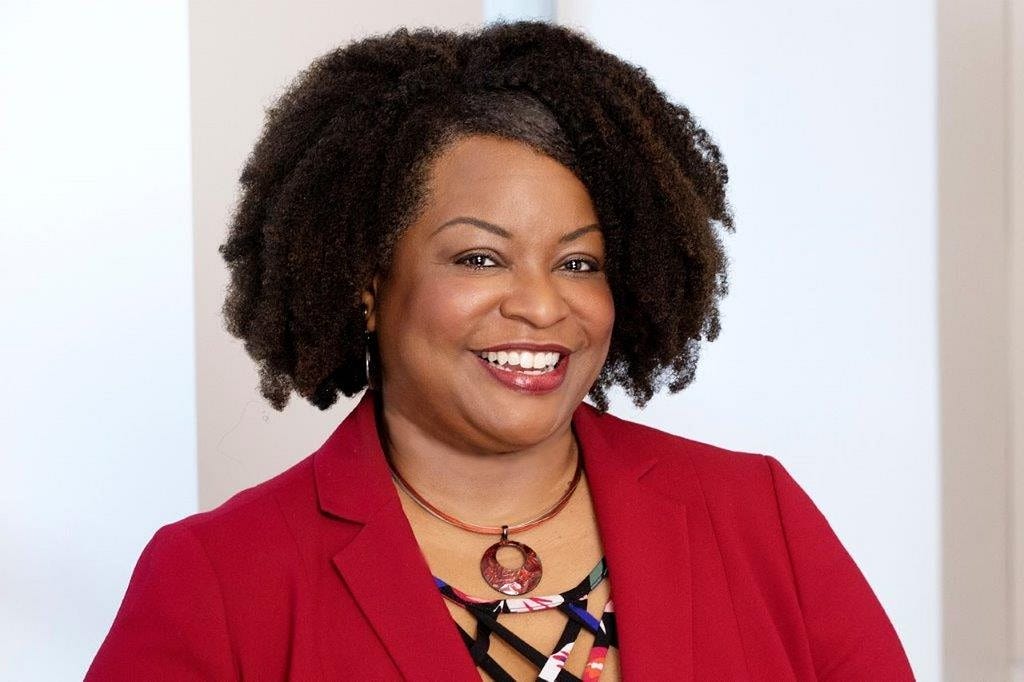
Woman Philanthropists: Darlene Goins Of Wells Fargo Foundation On How To Leave A Lasting Legacy With A Successful Nonprofit Organization
Philanthropy can spark change, but lasting impact happens when it’s connected to how we show up for customers and communities every day.
The contributions of women philanthropists have reshaped communities and catalyzed change, yet their stories often remain untold. Women bring unique perspectives and approaches to philanthropy, using their resources, networks, and influence to address a wide range of global challenges — from education and healthcare to social justice and environmental sustainability. How do these women navigate the complexities of philanthropy to achieve meaningful impact? In this interview series, we are talking to diverse women philanthropists who have initiated impactful projects or led significant charitable endeavors, to share their insights and inspire others to take initiative and help solve pressing global and local issues. As a part of this series, we had the pleasure of interviewing Darlene Goins.
Darlene Goins, president of the Wells Fargo Foundation and head of Philanthropy and Community Impact at Wells Fargo, brings a systems-driven approach to one of the largest corporate foundations in the United States. With a background in engineering and data science, her work is grounded in a simple question: what actually changes in people’s lives, and how do you scale it?
Thank you so much for joining us in this interview series! Can you please tell us about one or two life experiences that most shaped who you are today?
I often describe my journey as the intersection of service and systems. I grew up as the daughter of a minister, so I was exposed early to the importance of service and the realities of inequality across communities. At the same time, I was always drawn to math and problem solving, which led me to engineering and a career in data science.
Those two paths came together when I started working on ways to put credit data directly into consumers’ hands. Helping people better understand their credit showed me that data could open doors. It became a lever for expanding opportunity and a career path that led me create change from within the banking system.
Which three character traits do you think were most instrumental to your success?
Three things stand out: curiosity, discipline, and purpose. Curiosity helps you understand the problem beneath the problem. That means looking at the data but also listening closely to communities and partners. Discipline comes from my engineering background and a focus on measuring outcomes, not just activity. Purpose keeps the work connected to something bigger.
What’s the most interesting discovery you’ve made since you started leading your organization?
One of the biggest lessons has been how important it is to reimagine success. In philanthropy, it is easy to focus on outputs such as programs delivered or people reached. Those measures matter, but they do not tell you enough about whether lives are actually changing for the better. What matters most are outcomes. But outcomes at scale do not come from philanthropy acting on its own. They come from alignment.
What motivates me at Wells Fargo is the opportunity to align philanthropic investments with broader resources and partnerships across the bank and in the community. That kind of alignment is what I see as the next wave of impactful philanthropy.
Can you tell our readers more about how you intend to make a significant social impact?
Our work starts with a simple belief that thriving communities power a strong economy.
We focus on three areas that shape opportunity: housing, business growth, and financial opportunity. We look at them as connected systems, not isolated issues.
With more than 60 million customers nationwide, even a small portion of philanthropic investment, deployed alongside our business and our customers focused on community development, can create economic impact at scale.
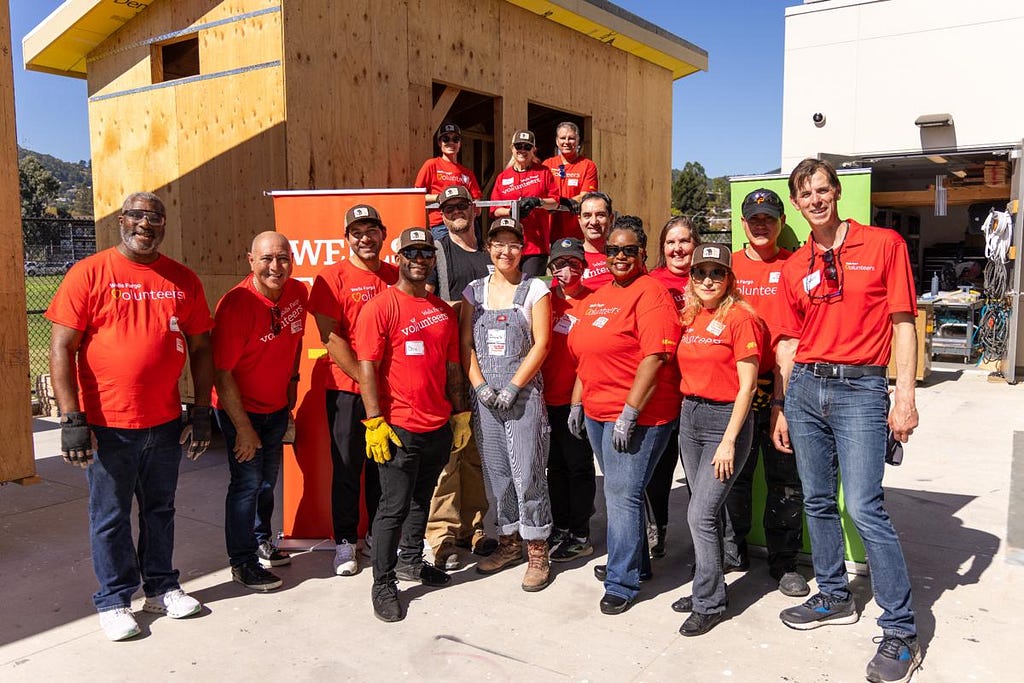
Let me give you an example. Take multi-family housing — philanthropy can help close critical gaps early in a project or at the finish line so developments move forward and deliver lasting benefit to the community. In Oakland, Eden Housing, a client of our Corporate and Investment Bank, is working on Liberation Park Residences, a dynamic housing project that will bring more affordable homes to the community. With our philanthropy, we are investing in the Liberation Park community through nonprofits to help strengthen small business growth and amenities so that we’re helping to create resident communities that go beyond the buildings.
Philanthropy can spark change, but lasting impact happens when it’s connected to how we show up for customers and communities every day. That’s what turns individual efforts into progress that scales across communities and over time.
What makes you feel passionate about this cause more than any other?
It comes down to access and opportunity. When people have access to financial tools, stable housing, and family-sustaining jobs, they are better positioned to participate in the economy and shape their own futures. When businesses have access to capital and advisory services, they are better positioned to create or sustain jobs. I am fascinated by how interconnected society’s challenges are and the problem-solving needed to move the needle on change.
Without naming names, could you share a story about an individual who benefitted from your initiatives?
One of my favorite stories is about a gentleman who struggled with housing insecurity. He gained access to supportive permanent housing in the newly renovated Sunnydale development in San Francisco through Mercy Housing. Wells Fargo provides Mercy Housing financing but we also enhanced the project with a grant to seed an endowment fund for resident services like childcare, a community garden, career coaching and more. This gentleman told us, “when you see better, you do better.” That stuck with me. Having a stable place to call home is transformative for a person and for building a vibrant community. It’s the foundation of building a stronger future.
Based on your experience, what are the 5 Things You Need To Create A Successful & Effective Nonprofit That Leaves A Lasting Legacy?
1. Define the problem clearly and understand its root causes.
2. Measure outcomes and stay focused on what actually changes.
3. Listen to communities and co-create with them.
4. Align resources across funding, partnerships, and data.
5. Design for scale and long-term sustainability.
How do you get inspired after an inevitable setback?
I go back to both the data and the people. Data helps us understand what did not work, while feedback from communities and partners provides context. What matters is how quickly you learn and how intentionally you adjust.
How can our readers follow your progress online?
Readers can follow Wells Fargo’s progress here: The Bank of Doing | Wells Fargo. And follow me on LinkedIn.
Thank you so much for the time you spent with us today!
Woman Philanthropists: Darlene Goins Of Wells Fargo Foundation On How To Leave A Lasting Legacy… was originally published in Authority Magazine on Medium, where people are continuing the conversation by highlighting and responding to this story.