


Social Media Stars Making a Social Impact: Why & How Katy Love Of Comm Oddities Is Helping To Change Our World
Social media gives ordinary people access to an audience that simply didn’t exist a generation ago.
As a part of this series, we had the pleasure to interview Katy Love.
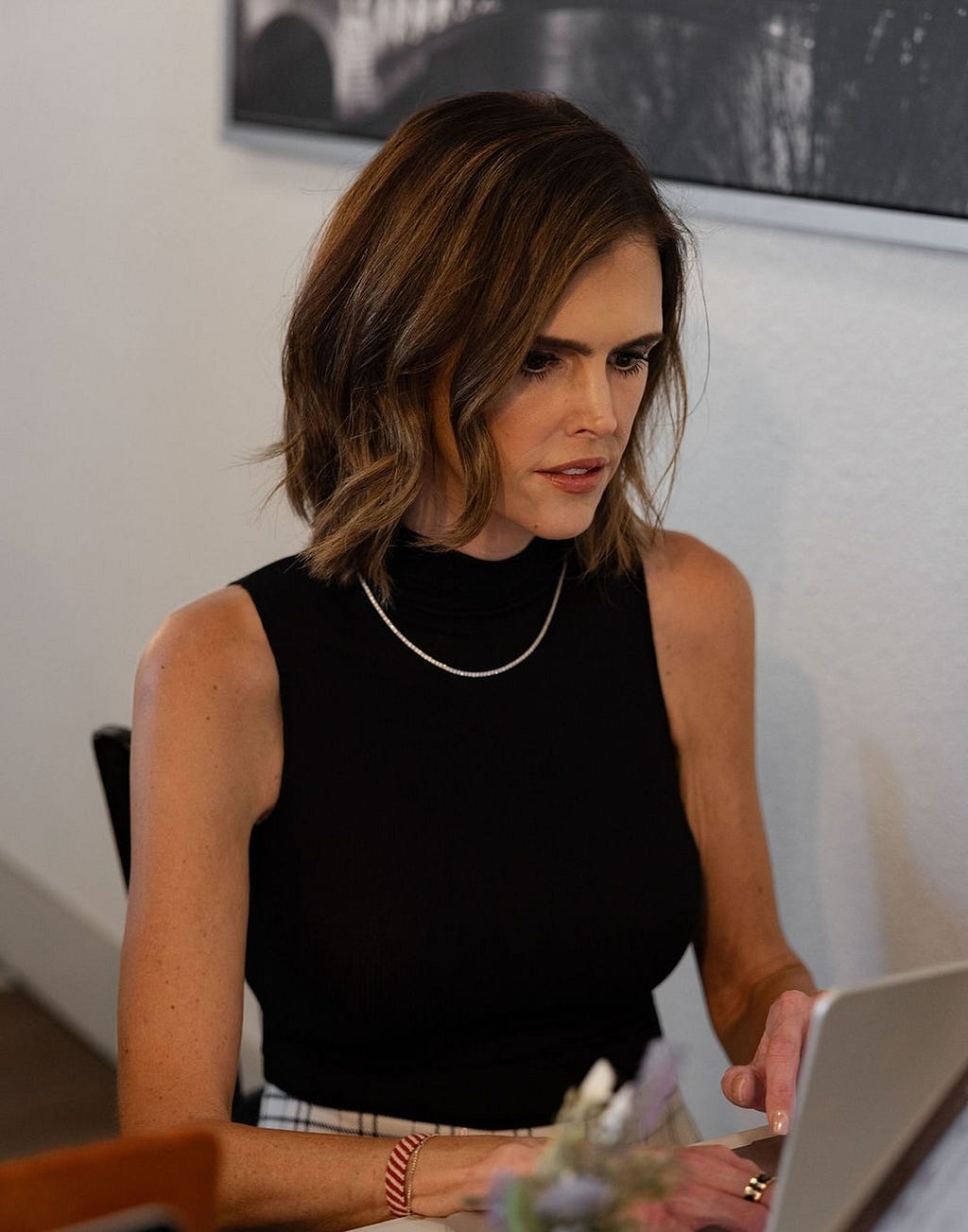
Katy Love is the co-founder of Comm Oddities Inc., a public relations agency built around doing things a little differently. A mother of five, she has also built a growing social media platform where she shares an honest, often unfiltered perspective on parenting, family life and the difficult decisions that come with raising teenagers. Her content reaches approximately 2 million visitors each month and has opened the door to advocacy opportunities with organizations including Mothers Against Drunk Driving (MADD), as well as national media conversations about teen safety and parental responsibility.
Thank you so much for joining us in this interview series! Can you tell us a story about what brought you to this specific career path?
I didn’t set out to become a social media influencer or advocate. It really started with something that happened in my own family.
My teenage daughter went to a high school party where the parents hosting the party served alcohol to the kids. As a parent, I was furious. My first instinct was to confront the parents and involve the police, but my daughter strongly protested that option. She was worried about the social repercussions and what would happen if people found out her mom was responsible for getting someone’s parents in trouble.
So, instead, I turned to my social media community and talked about what had happened without identifying anyone. I challenged this idea some parents have that letting teenagers drink at their house is somehow safer because the kids are “supervised.”
That video went viral. Suddenly, something that had started as one frustrated mom talking about a situation involving her daughter turned into a much bigger conversation about teenage drinking, parental responsibility and what keeping our kids safe actually looks like. That was when I started to realize that social media could be more than entertainment. It could be a way to start conversations that people might otherwise be afraid to have.
I think part of why it resonated was that I wasn’t trying to be an expert or pretend I had parenting figured out. I’m a mom of five. I’ve been doing this for a long time, and I’m still figuring things out like everyone else.
Can you share the most interesting story that happened to you since you began this career?
One of the most surreal things has been watching that original conversation gain traction and extend from my network to a much broader social media audience.
Mothers Against Drunk Driving reached out to me about collaborating on social content, which was very meaningful because this was an issue I had originally spoken about simply because it affected my own child.
CNN also reached out to me for perspective on a story involving the Cornell 7 case.
Those moments made me realize that a mom talking into her phone about something she believes matters can actually become part of a much larger national conversation. Social media gives ordinary people access to an audience that simply didn’t exist a generation ago.
It has been said that our mistakes can be our greatest teachers. Can you share a story about the funniest mistake you made when you were first starting? Can you tell us what lesson you learned from that?
When I was applying for my first “real” job out of college, I managed to misspell the company’s name in my application email. Of all the things to get wrong! Naturally, I noticed it the second I hit send and immediately wrote that opportunity off. I figured there was no way they’d hire someone who couldn’t even spell their potential employer’s name correctly.
But to my surprise, they called me in for an interview — and I ended up getting the job!
I still learned a good lesson, though. Always take the extra minute to read through something one more time before clicking “post” or hitting “send.” Double-check the content, make sure you’ve got the right people in the “To” field, and resist the urge to rush.
That advice is especially important when it comes to social media, where your mistakes are on display for the whole world to see. Even if you catch an error and correct it immediately, there’s always a chance someone has already taken a screenshot. And the last thing you want is for your mistake to go viral! We’ve all had that moment of instant regret after clicking publish or send. A little extra attention on the front end can save a lot of embarrassment — and potentially a much bigger headache — on the back end.
You have been blessed with success in a career path that can be challenging. Do you have any words of advice for others who may want to embark on this career path, but seem daunted by the prospect of failure?
Don’t start by trying to become an influencer. Start by figuring out what you actually have to say.
People can tell when you’re trying too hard to create a persona or manufacture something you think will perform well. The content that changed everything for me wasn’t part of some carefully planned social media strategy. I was a mom who was upset about something that had happened to my daughter, and I had something to say about it.
Not everything you post is going to take off. People are going to disagree with you. Sometimes they disagree with you very loudly. Sometimes they even criticize your appearance or other things that have nothing to do with your message! But if you’re waiting until you’re certain everyone will like what you have to say, you’ll probably never say anything very interesting.
Figure out what you genuinely care about, be yourself and don’t measure your value by the performance of every individual post. You can’t get caught up in metrics as the only measure of success.
Now let’s jump to the core focus of our interview. Can you describe to our readers how you are using your platform to make a significant social impact?
The issue I’m especially passionate about is children’s safety and well being and the role adults play in creating — or preventing — dangerous or unhealthy situations.
With drinking, there’s a mindset among some parents that teenagers are going to imbibe anyway, so allowing them to drink at home is the responsible thing to do. I understand where that thinking comes from. Parents believe that if teenagers are going to experiment, they’d rather have them somewhere “safe.” But giving alcohol to someone else’s child isn’t your decision to make.
I use my platform to challenge that kind of thinking and, in general, to encourage parents to have the uncomfortable conversations that are tough but necessary. I also stress that parents should think about how their own actions, remarks and habits can affect a young person. Casual comments that seem harmless to a 40-year-old can stick with a child and impact their choices or the way they see themselves for years.
Sometimes, protecting children means being an unpopular parent or refusing to get caught up in social circle drama and gossip. Sometimes it means your kid is furious with you. Sometimes it means speaking up when staying quiet would be much easier.
I’m not trying to tell people I’m a perfect parent, because I’m definitely not. I’m sharing my experiences as a mom of five and saying, “This happened to us. Here’s what I learned. Let’s talk about it.”
Can you tell us a story about a particular individual who was impacted by this cause?
I’ve heard from so many parents who have shared their own experiences and thanked me for speaking up about the importance of setting boundaries for our kids. It’s interesting that so many of us feel the same way but are hesitant to say it out loud because no one wants to be seen as the strict parent or the one who isn’t keeping up with what all the other families are doing.
Those conversations have been incredibly meaningful to me because they reinforce my belief that being a good parent doesn’t mean being the “cool” parent. Sometimes it means making unpopular decisions, having uncomfortable conversations and sticking to boundaries even when it’s hard. If speaking openly about that helps even one other parent feel more confident doing what’s right for their family, then I know I’m making a difference.
Was there a tipping point that made you decide to focus on this particular area? Can you share a story about that?
The situation involving my daughter was really the tipping point.
What surprised me wasn’t only what happened at the party. It was realizing how normalized this idea had become — that adults providing alcohol to teenagers could somehow be considered the responsible or “safe” choice.
Then I posted about it and saw the response. There were parents who completely agreed with me and others who passionately disagreed. But people were talking about it.
That showed me there was a much bigger conversation to be had. It wasn’t just about one party or one family. It was about how parents navigate that incredibly difficult space between giving teenagers independence and still being responsible for protecting them.
Are there three things the community/society/politicians can do to help you address the root of the problem you are trying to solve?
First, we need to stop normalizing adults providing alcohol to teenagers. “They’re going to do it anyway” isn’t a safety strategy.
Second, parents need better, more realistic conversations about how to navigate teen drinking, parties and peer pressure. Fear-based messaging alone isn’t enough. Families need practical information about what teenagers are actually encountering and how to talk about it without immediately shutting down communication.
Third, we need to give teenagers safe ways to call for help. A kid who has been drinking or whose friends have been drinking should never be so afraid of punishment that they don’t call a parent, another trusted adult or emergency services when someone is in danger. Safety has to come first.
Why do you think social media in particular has the power to create social change and create a positive impact on humanity?
Social media can turn an individual experience into a community conversation almost instantly. Twenty years ago, what happened with my daughter probably would have been something I discussed with my husband, a few friends and maybe some other parents. Today, I can talk about it online and discover that thousands of other families are wrestling with the exact same issue.
That doesn’t mean social media is always positive. We all know it isn’t. At its best, though, it can make people feel less alone, expose us to perspectives we haven’t considered and lead to conversations about subjects people might otherwise avoid.
And you don’t need a traditional platform anymore. You don’t have to be a celebrity, journalist or elected official for your voice to reach people. Sometimes you just need something meaningful to say.
What are your “5 things I wish someone told me when I first started” and why? Please share a story or example for each.
1. You don’t need everyone to agree with you. This was probably the biggest adjustment for me. If you talk honestly about parenting, especially teenagers, people will have opinions — often very strong ones. I’ve learned that disagreement doesn’t automatically mean a post failed. Sometimes it means you started a conversation people needed to have.
2. The posts you least expect can be the ones that resonate most. I didn’t make the reel about my daughter’s experience thinking, “This is going to go viral.” I made it because I was frustrated and felt strongly about what had happened. That experience taught me that authenticity usually connects better than trying to engineer the perfect post.
3. Don’t let strangers parent your children for you. People online see a few minutes of your life. You live the other 23 hours and 57 minutes. Social media can offer incredible community and perspective, but ultimately I have to make decisions based on what I believe is right for my family.
4. A large audience comes with responsibility. Once you realize millions of people may see what you say, you have to think differently about your words. Having influence isn’t just about reach. It’s recognizing that real people are on the other side of the screen.
5. Don’t feel pressured to turn every part of your life into content. This one is especially important when your content involves your children. There has to be a line between being authentic and remembering that your kids deserve privacy, too. I can talk honestly about parenting without believing my audience is entitled to every detail of my family’s life.
You are a person of enormous influence. If you could inspire a movement that would bring the most amount of good to the most amount of people, what would that be?
I’d love to normalize being the “unpopular parent.”
There is so much pressure on parents today to make sure our kids are happy all the time, but I don’t think it’s our job to make them happy every moment. Sometimes our job is to say no, set boundaries, ask uncomfortable questions, pick them up from parties or step in when they’d really prefer that we didn’t.
I want parents to feel more confident about trusting their instincts and doing what they believe will keep their children safe, even when their kids aren’t thrilled about it and even when other parents are doing something different.
Is there a person in the world, or in the US whom you would love to have a power lunch with, and why? He or she might just see this, especially if we tag them!
Oprah Winfrey, hands down! In fact, I’m heading to Las Vegas to see her in April 2027, so Oprah, if you’re reading this, let me know if you want to grab lunch while I’m in town!
I’ve always admired her entrepreneurial spirit, her willingness to take risks and, most importantly, her determination to never let anyone else define who she is or what she’s capable of achieving. She built an incredible career by trusting her instincts, staying true to herself and refusing to let other people’s expectations limit her ambitions.
How can our readers further follow your work online?
Follow me on Instagram at @katylovehere Facebook: https://www.facebook.com/katylovehere TikTok: https://www.tiktok.com/@katylovehere LinkedIn: https://www.linkedin.com/in/katy-l-24a6852/
Thank you so much for the time and the great insights you shared! We wish you continued success with your mission.
Social Media Stars Making a Social Impact: Why & How Katy Love Of Comm Oddities Is Helping To… was originally published in Authority Magazine on Medium, where people are continuing the conversation by highlighting and responding to this story.