


My journey has taught me that sometimes the career you were meant to pursue is hidden inside the very challenges you had to overcome.
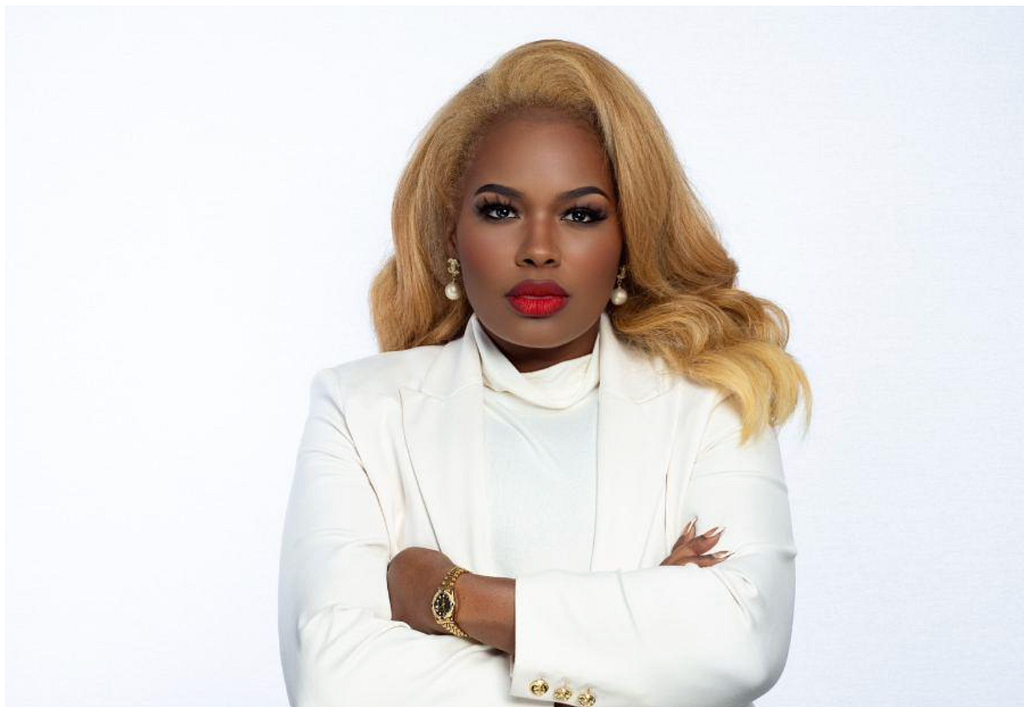
As a part of this series, we had the pleasure to interview Melody Augustin-Roberts.
Melody Augustin-Roberts is an entrepreneur, business consultant, and media visionary passionate about empowering individuals to turn their ideas into opportunities. As the founder of MarTV and a driving force behind the Employee to Entrepreneur (E2E) initiative, she is committed to expanding access to entrepreneurship, business education, and resources. Through her work, Melody champions economic independence, business ownership, and greater visibility for underrepresented voices.
Thank you so much for joining us in this interview series! Can you tell us a story about what brought you to this specific career path?
My journey into entrepreneurship was not born out of privilege, financial security, or having everything figured out. It was born out of necessity, determination, and a desire to create a different future. I understood what it meant to work hard while still feeling limited by the opportunities available to me. I also understood the challenges families face when trying to access quality care and support for loved ones with developmental disabilities. That understanding eventually led me into the healthcare industry, where I built Sovereign Developmental Center, an organization dedicated to supporting individuals with developmental disabilities and helping them experience greater independence and dignity. But as my company grew, I began to recognize another problem. So many talented professionals, particularly women, caregivers, and people working in healthcare, had the experience and passion to become business owners but lacked the knowledge, resources, or confidence to get started. That’s when my purpose expanded beyond building my own company. Through MAR Consulting, I began helping others navigate business formation, licensing, compliance, operations, and entrepreneurship. My journey has taught me that sometimes the career you were meant to pursue is hidden inside the very challenges you had to overcome. I didn’t just want to create a successful business. I wanted to create a pathway for other people to build successful businesses of their own.
Can you share the most interesting story that has happened to you since you began leading your company or organization?
One of the most fascinating parts of my journey has been watching something that started as a vision grow into an organization responsible for providing services, creating jobs, and supporting families. There was a time when I was focused primarily on figuring out how to build a sustainable business. Today, I lead an organization with approximately 100 employees, and I have expanded my work into consulting, education, and media. What makes that transformation remarkable to me is that I didn’t begin with all the answers. I had to learn how to become a leader while actively leading. I had to understand financial management, staffing, regulations, operations, and the responsibility that comes with having people depend on your decisions. But the most interesting transformation wasn’t just the growth of the company. It was the growth of the woman behind it. I went from thinking about how to create an opportunity for myself to asking how I could create opportunities for hundreds of other people. That’s when I realized I was no longer just building a company. I was building an ecosystem.
It has been said that our mistakes can be our greatest teachers. Can you share a story about a mistake you made when you were first starting and what you learned from it?
One of the biggest mistakes I made early in entrepreneurship was believing that working harder automatically meant I was building a stronger business. I tried to carry too much responsibility myself. I wanted to oversee every detail because I believed that was what a committed business owner was supposed to do. Eventually, I realized that being involved in everything was actually limiting the company’s ability to grow. I had created a business that depended too heavily on me. That experience taught me one of my most valuable lessons: You cannot scale what you refuse to systematize. I began focusing more intentionally on developing processes, strengthening leadership, delegating responsibilities, and creating accountability. I learned that entrepreneurship isn’t about proving you can do everything. It’s about building something that can operate effectively without requiring you to personally manage every task. Today, that lesson is central to how I advise my consulting clients. I teach them to build their businesses with structure from the beginning because a successful company should eventually provide freedom, not become another form of employment.
Can you describe how you or your organization is making a significant social impact?
Social impact is at the center of everything I do. Through Sovereign Developmental Center, we provide services that help individuals with developmental disabilities receive support in their everyday lives. Our work also supports families who depend on reliable, compassionate care. Beyond providing services, we create employment opportunities for professionals who are passionate about helping others. Through MAR Consulting, our impact extends into economic empowerment. We help aspiring entrepreneurs understand how to establish businesses, navigate licensing requirements, develop operational systems, and pursue financial independence. I am particularly passionate about helping individuals who have spent years working for someone else recognize that their knowledge and professional experience can become the foundation of a business. That passion inspired my Employee to Entrepreneur initiative, which focuses on helping people transition from traditional employment into business ownership through education, mentorship, and practical resources. I believe entrepreneurship can become a powerful tool for changing the economic trajectory of families and communities. When we help one person build a sustainable business, the impact can extend to their employees, their families, and future generations.
Can you share a story about a particular individual who has been impacted or helped by your work?
One of the most rewarding parts of my work is helping healthcare professionals recognize the value of the experience they already possess. I’ve worked with aspiring entrepreneurs who understood patient care and had years of experience serving others but felt overwhelmed by the business side of entrepreneurship. They knew how to provide excellent services, but questions about licensing, compliance, business formation, and operations made the idea of ownership feel intimidating. Through consulting and education, I help individuals break that process into manageable steps and understand what is required to move forward. One of the most meaningful moments is watching someone’s mindset change from “I don’t know if I can do this” to “I am capable of building this.” That transformation is powerful because it goes beyond business ownership. It changes how people see themselves. When someone begins to believe that their professional knowledge can create opportunities for their family, their confidence grows, and so does their vision for the future. Those are the moments that remind me why I do this work.
What are three things the community, society, or policymakers can do to help address the barriers professionals face when transitioning into entrepreneurship?
- Expand access to practical entrepreneurship education. Many professionals have exceptional technical skills but have never been taught how to establish a business, understand financial statements, navigate licensing, or manage operations. Entrepreneurship education should be more accessible through schools, workforce development programs, community organizations, and professional training initiatives.
- Improve access to startup capital and financial resources. One of the greatest barriers to entrepreneurship is the financial gap between having a business idea and having the resources necessary to execute it. We need more accessible funding programs, responsible lending opportunities, grants, and financial education that help aspiring business owners prepare for sustainable growth.
- Simplify the pathway to business ownership. Regulatory processes, licensing requirements, and administrative procedures can be especially challenging for first-time entrepreneurs. I believe policymakers and industry leaders should work toward clearer guidance, more transparent processes, and stronger technical assistance without compromising consumer protection or quality standards. When we remove unnecessary barriers while maintaining accountability, we create opportunities for more qualified individuals to participate in the economy as business owners.
What are your “5 Things I Wish Someone Told Me When I First Started,” and why?
1. Revenue is not the same as wealth.
When I first started, I was focused on generating revenue. Over time, I learned that financial success also requires understanding profitability, cash flow, taxes, reserves, and long-term planning. A business can generate significant revenue and still struggle financially if it isn’t managed properly.
2. You cannot build a million-dollar business with a survival mindset.
Entrepreneurship requires a shift in how you think about opportunity, risk, responsibility, and growth. You have to stop making every decision based on immediate survival and begin thinking about long-term sustainability.
3. Systems will take you further than motivation.
Motivation can help you get started, but systems help you remain consistent. Documented processes, financial controls, accountability, and operational structure are essential for scaling a business.
4. Not everyone can accompany you into your next season.
Growth requires boundaries, discernment, and the willingness to make difficult decisions. You must surround yourself with people who respect your vision, share your values, and understand the responsibility that comes with building something meaningful.
5. Your past does not disqualify you from your purpose.
This is perhaps the most personal lesson of all. Life doesn’t always unfold according to our plans. There are disappointments, losses, setbacks, and moments when starting over feels overwhelming. But I’ve learned that difficult chapters do not have to determine the ending of your story. Sometimes the very experiences that challenged you become the foundation of your greatest contribution.
What is your favorite life lesson quote, and how has it been relevant to your journey?
One of the principles I live by is: “Your circumstances may explain where you started, but they do not have the authority to determine where you finish.” This philosophy has carried me through some of the most challenging seasons of my life. I’ve experienced personal loss, difficult transitions, and moments when rebuilding required more strength than I thought I had. But I refused to believe that those experiences represented the limits of my future. I learned to view adversity as an opportunity to grow, reassess, and rebuild. That belief is also reflected in my work as a speaker and entrepreneur. I want people to understand that they do not have to remain defined by their current circumstances. You can experience loss and still build a legacy. You can encounter setbacks and still achieve success. You can begin again and create something greater than what existed before.
Is there someone in the world you would love to have a private breakfast or lunch with, and why?
I would love to have a private lunch with Oprah Winfrey. What I admire most about Oprah is her ability to transform her personal story into a platform that has influenced generations. She didn’t simply build a career in media. She developed a business ecosystem that includes storytelling, education, entrepreneurship, and philanthropy. As someone building businesses across healthcare, consulting, education, and media, I would value the opportunity to learn how she approaches legacy, ownership, leadership, and long-term impact. I would especially want to discuss how to build a media platform that amplifies stories that are often overlooked. Through MAR TV, I want to create opportunities for entrepreneurs, creatives, and communities to share their experiences and inspire others. I believe stories have the power to change how people see themselves and what they believe is possible.
If you could inspire a movement that would bring the greatest amount of good to the greatest number of people, what would it be?
I would inspire a global movement centered on transforming employees into entrepreneurs. In fact, that movement has already begun through my Employee to Entrepreneur initiative. I envision a world where individuals are not limited to earning income solely through traditional employment but have access to the education, resources, mentorship, and opportunities necessary to explore business ownership. I want to help people understand that the skills they have developed throughout their careers may have value far beyond their current job descriptions. A caregiver can become a healthcare agency owner. A creative professional can establish a production company. A skilled worker can build a service-based business. My vision is to make entrepreneurship education accessible to adults, young professionals, and even high school students so they can begin developing financial literacy and business skills earlier in life. I want to create a movement that helps individuals build sustainable companies, create employment opportunities, and establish generational wealth. Because when we teach people how to create opportunities rather than simply wait for opportunities, we can transform entire communities. My ultimate goal is not just to help people become entrepreneurs. It is to help them become owners of their futures.
How can readers follow your work online?
Readers can learn more about my work and connect with my initiatives through the following platforms:
Employee to Entrepreneur: https://www.e2eprogram.com
MAR Consulting: Business consulting, entrepreneurship education, startup development, and executive support.
MAR TV: Our media and streaming platform, available through supported television and mobile platforms, including Roku, Amazon Fire TV, Apple TV, Google TV, iOS, and Android.
I also encourage readers to follow my speaking, educational, and entrepreneurship initiatives as I continue expanding opportunities for aspiring business owners. My message to anyone reading this interview is simple: You do not have to have everything figured out to begin. You need a vision, a willingness to learn, and the courage to take the first step. Your next chapter may be the one that changes everything.
Thank you so much for the time you spent sharing these insights. We wish you continued success and global impact!
Social Impact Heroes: How Melody Augustin-Roberts Of MAR Consulting Is Helping To Change Our World was originally published in Authority Magazine on Medium, where people are continuing the conversation by highlighting and responding to this story.