


Filmmakers Making A Social Impact: Why & How Steven Sawalich of Articulus Entertainment Is Helping To Change Our World
An Interview With Tavares Beverly
At the end of the day, I don’t think one film or one hearing mission changes the world on its own. But every story that builds empathy, every person who chooses kindness, and every opportunity to help someone feel seen creates momentum.
As a part of this series, we had the pleasure to interview Steven Sawalich.
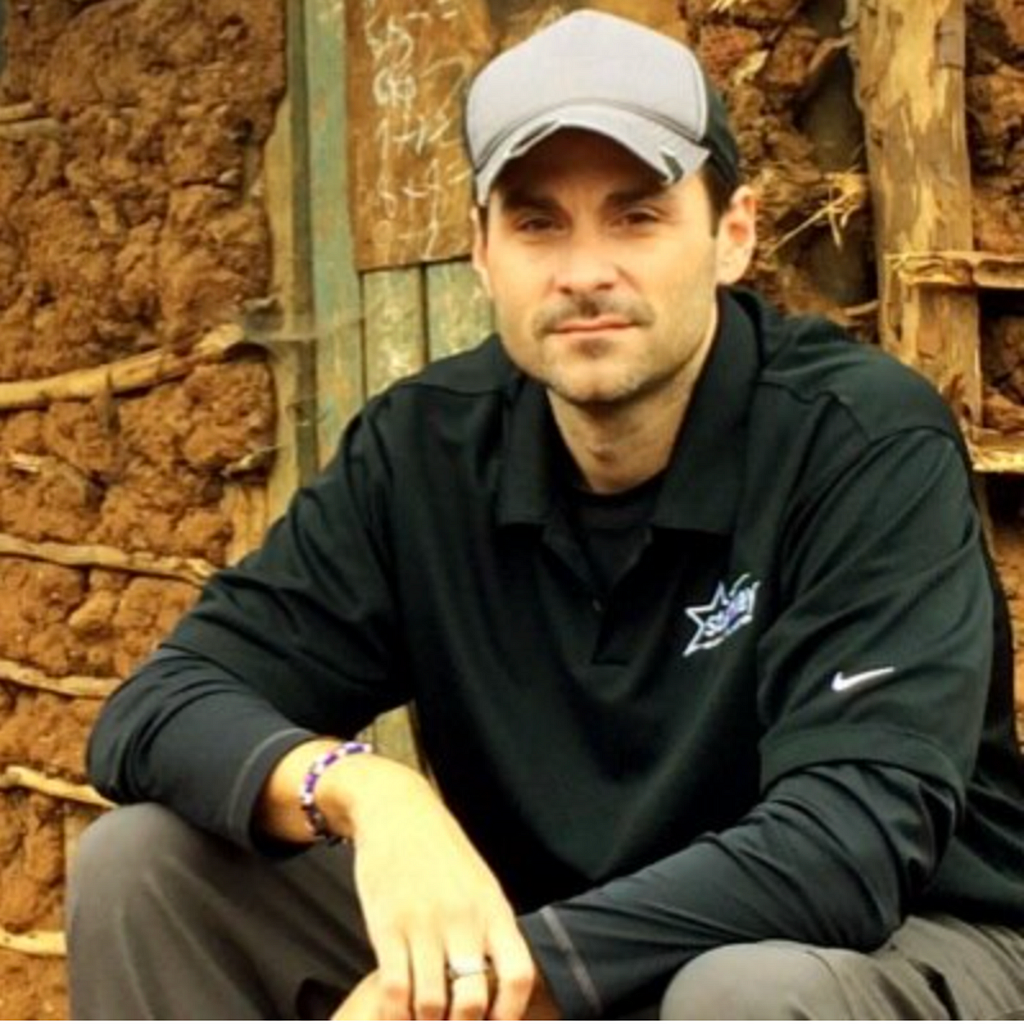
Steven Sawalich is an award-winning filmmaker, entrepreneur, and philanthropist whose work explores stories that inspire empathy, find common ground, and create positive social impact. As President and CEO of Articulus Entertainment, he has produced and directed projects including Music Within, Operation Change, and Case for Kindness. Having traveled to more than 130 countries, Steven is passionate about using storytelling to challenge assumptions, bring people together, and inspire action.
Thank you so much for joining us in this interview series! Before we dive in, our readers would love to get to know you a bit. Can you share your “backstory” that brought you to this career?
I started my company Articulus Entertainment, Inc in 2004, I didn’t take a traditional path into filmmaking. I grew up in a small farming and coal mining town in Illinois where the idea of making films for a living felt far removed from reality. But from an early age, I was fascinated by stories and the way they could make people see the world differently.
Over the years, that passion led me into both filmmaking and philanthropy. I realized that the most meaningful stories weren’t always the biggest or most dramatic. They were often about ordinary people facing extraordinary circumstances with resilience, compassion, and hope. That realization has shaped nearly everything I’ve worked on since.
One of the defining moments in my career was directing Music Within, a film inspired by the true story of disability rights advocate Richard Pimentel. MGM released the film in 2007. It reinforced my belief that stories have the power to challenge assumptions, build empathy, and use humor to draw people in. Later, through my work with Starkey Hearing Foundation, I created a 10-part Docuseries, Operation Change, which aired on OWN Network. We filmed the series in 14 countries tackling some of the most challenging issues plaguing the world. This series allowed me the opportunity to meeting people from different cultures, faiths, and backgrounds. Those experiences changed me far more than I could have imagined. They taught me that while our lives may look different on the surface, our hopes, fears, and desire to belong are remarkably similar.
Those lessons ultimately inspired me to spend more than six years creating my documentary Case for Kindness. The film explores whether kindness can bridge some of the growing divisions in our world by bringing together voices from across entertainment, politics, business, science, and humanitarian work. More importantly, it tells the stories of everyday people who found their purpose through their darkest moments.
Today, my work sits at the intersection of storytelling and impact. Whether I’m directing a film, producing global humanitarian projects, or speaking about kindness and finding common ground, my goal is the same: to tell stories that don’t just entertain people, but encourage them to see each other with a little more empathy and leave believing they can make a difference in someone else’s life.
It has been said that our mistakes can be our greatest teachers. Can you share a story about the funniest mistake you made when you were first starting? Can you tell us what lesson you learned from that?
Over the years, I’ve learned that humor is the best way to avoid taking myself too seriously. Early in my career, however, I felt pressured to project constant confidence. My biggest mistake was trying to prove I knew everything.
The first day of shooting Music Within illustrates this. As a first-time director leading a veteran crew and cast, I was paralyzed by insecurity, doubting even basic commands like “Action.” I was so fixated on appearing competent that I forgot to leverage the expertise of the team I’d hired.
Socrates said, “The only true wisdom is in knowing you know nothing.” I wish I had embraced that sooner; by asking questions instead of feigning expertise, I would have become a confident leader much faster.
That experience transformed my approach. I now intentionally surround myself with people smarter and more experienced than I am. My job isn’t to have all the answers; it’s to communicate a clear vision, foster an environment where talented people can thrive, and trust them to bring the story to life. Ironically, letting go of the need to be the expert made me a better filmmaker.
Who are some of the most interesting people you have interacted with? What was that like? Do you have any stories?
I’ve been fortunate in my career to spend time with A-list celebrities, world leaders, scholars, and everyday people. Through my work in philanthropy, I’ve met countless individuals who have dedicated their lives to making the world better. People like Elton John & David Furnish with Elton John Aids Foundation, Ben Affleck through his Eastern Congo Initiative, Charlize Theron in South Africa, Forest Whitaker in Uganda, President Bill Clinton through the Clinton Global Initiative, President George W. Bush through the Bush Institute, Richard Branson through Virgin Unite, Garth Brooks through Teammates for Kids, and Tim Shriver with Special Olympics, just to name a few.
As inspiring as those experiences have been, the stories that stay with me most often come from ordinary people making an extraordinary impact in their own communities.
One that has always stuck with me was a documentary I produced in 2019 called Where the Light Shines. It follows Sajjad Hussaini and Alishah Farhang, members of Afghanistan’s first ski team, as they trained to qualify for the Winter Olympics.
They didn’t grow up with ski resorts or expensive equipment. They learned to ski by strapping homemade wooden boards to their feet in a small village outside Bamyan, Afghanistan. To train, they would hike four hours up the mountain for a four-minute ride back down. No lifts. No groomed runs.
What captivated me wasn’t simply their determination to become Olympians. It was how they were changing what was possible for the people around them. They became local heroes who challenged the idea that life had to stay the way it had always been. They proved you could dream bigger, try something different, and create opportunities where none seemed to exist.
They eventually founded the Bamyan Ski Club, giving young people a chance to learn the sport while offering something even more valuable: hope.
For so many people, Afghanistan is defined by images of war and destruction. Sajjad and Alishah reminded me that every place has stories of resilience, optimism, and possibility. They weren’t just skiing down mountains. They were helping change the narrative about their community, and those are the kinds of stories I love telling.
Which people in history inspire you the most? Why?
My deepest inspirations do not come from a single individual, but rather from those historical figures who possessed the rare bravery to confront the status quo through the lens of compassion, refusing to succumb to division.
Abraham Lincoln stands out as a prime example of this enduring courage. While steering a divided nation through its most perilous internal conflict demanded immense resolve, I am most profoundly moved by his relentless pursuit of understanding those with opposing viewpoints. His timeless philosophy, “With malice toward none, with charity for all,” continues to echo with profound relevance today, more than sixteen decades after it was spoken.
Similarly, Nelson Mandela exemplified the truth that grace and forgiveness can triumph over the desire for vengeance. Following nearly three decades of unjust imprisonment, he possessed every justification to demand retribution; instead, he consciously championed reconciliation, recognizing that the survival and prosperity of South Africa relied entirely on unity rather than further fragmentation.
Then there is Fred Rogers, who demonstrated that profound change does not require a booming voice. In a world that frequently elevates the loudest figures, Mr. Rogers showed that quiet empathy, genuine kindness, and sincere interest in the lives of others carry an unmatched, transformative power. His legacy serves as a gentle reminder that shifting the global landscape rarely depends on sweeping gestures, but is often achieved one meaningful connection at a time.
These iconic figures have fundamentally molded my philosophy regarding both my creative filmmaking and my humanitarian endeavors. Having had the privilege to journey across more than 130 nations, I have come to realize that beneath the surface of varying cultures, political systems, and religious beliefs, our shared humanity binds us far more than our differences separate us. The narratives I am driven to bring to light are precisely those that emphasize this common bond. I find my greatest inspiration in the legacy of those throughout history who chose to construct bridges of connection rather than barriers of isolation.
Let’s now shift to the main focus of our interview, how are you using your success to bring goodness to the world? Can you share with us the meaningful or exciting social impact causes you are working on right now?
I’ve always believed that stories can do more than entertain. At their best, they can change the way we see one another. That’s become the driving force behind both my filmmaking and my philanthropic work.
For more than 25 years, I’ve had the privilege of working with Starkey Hearing Foundation, helping shape its brand, tell the stories behind its global hearing missions, and produce its premier fundraising event, the So the World May Hear Awards Gala. I’ve watched children hear their parents’ voices for the first time, adults return to work after receiving hearing healthcare, and train Community Based Hearing Healthcare workers so the care continues long after we leave. Those experiences have shaped how I see the world and reinforced that lasting change comes from investing in people, not just solving problems for a day.
For me, storytelling has never been about simply telling a great story. It’s about inspiring action. That belief is what led me to create Case for Kindness. I wanted to explore whether kindness is just a feel-good idea or something that can genuinely transform individuals, communities, and even our culture. One of the most exciting chapters of that journey begins this year as we’re partnering with Kindness.org to bring the film and its educational resources into more than 10,000 classrooms. My hope is that by helping young people develop greater empathy, curiosity, and respect for one another, we’ll create a ripple effect that extends far beyond the classroom and into their families, communities, and the future they help shape.
I’ve also been honored to work with organizations like Special Olympics, where I’ve seen firsthand the power of inclusion. Whether it’s filming with athletes, supporting events through Healthy Athletes Program, or simply spending time with participants and their families, I’m constantly reminded that when we focus on people’s abilities instead of their limitations, barriers begin to disappear.
Beyond those projects, I’m passionate about using my platform to shine a light on people whose stories might otherwise go untold. Some of the most inspiring people I’ve ever met aren’t celebrities or public figures. They’re teachers, volunteers, healthcare workers, and community leaders quietly changing lives every day. If I can help their stories reach a wider audience, perhaps they’ll inspire someone else to take action in their own community.
At the end of the day, I don’t think one film or one hearing mission changes the world on its own. But every story that builds empathy, every person who chooses kindness, and every opportunity to help someone feel seen creates momentum. That’s the kind of impact I hope to spend the rest of my career pursuing.
Many of us have ideas, dreams, and passions, but never manifest them. But you did. Was there an “Aha Moment” that made you decide that you were actually going to step up and take action for this cause? What was that final trigger?
There was no dramatic “aha moment” — in fact, I’m not sure such a milestone exists. For me, the journey has been about embracing discomfort. Every project begins with a healthy dose of doubt: “Am I the right person to tell this story?” That uncertainty keeps me curious, humble, and willing to learn.
Creativity is subjective, so while not everyone will connect with my work, I have to trust the story enough to push forward. My true motivation comes afterward: sitting in a theater watching an audience react, or hearing how a film challenged someone’s perspective and inspired them to act. Those moments — where a story bridges divides or sparks change — are the fuel that drives my next project.
Can you tell us a story about a particular individual who was impacted or helped by your cause?
Throughout my travels to over 130 countries, a common theme continually resurfaces rather than one isolated event.
A memorable encounter took place as I was getting ready to ascend Mount Kilimanjaro. My guide inquired if I had ever visited Arusha; following a bit of discussion, he recognized me as the Steven who, years prior during the filming of Operation Change, had assisted in bringing clean water and a school to his village. In that moment, I came to understand how a brief period in my own life had left a lasting impression on his for many years.
I experienced something quite similar in Armenia. While outside Yerevan scouting locations and filming drone footage for Elton John’s tour, we pulled over at a local farmhouse. The father there spotted my Starkey Hearing Foundation cap and shared that we had given his daughter hearing aids the year before. They graciously welcomed us inside for dinner, transforming a quick routine stop into a deeply meaningful cultural exchange.
These interactions have shown me that the true results of our actions are not always visible right away. Often, they emerge years down the line when a person remembers how a simple gesture of goodwill altered their path. Through both cinematic storytelling and charitable endeavors, my goal remains to provide others with greater possibilities, optimism, and the comfort of knowing that someone truly cared. Because paths can cross again when least expected, these moments serve as a powerful reminder that modest acts of goodwill can reverberate for a lifetime.
Are there three things that individuals, society or the government can do to support you in this effort?
I don’t think creating a kinder, more inclusive world is something one organization or one person can accomplish alone. It takes all of us, and I think there are three things we can all do.
First, invest in empathy. Whether you’re a parent, teacher, business leader, or elected official, we need to create more opportunities for people to understand experiences different from their own. Storytelling is one of the most powerful ways to do that because it’s hard to dehumanize someone once you know their story.
Second, focus on ability instead of limitation. I’ve met incredible people around the world who were underestimated because of a disability, where they were born, or the circumstances they grew up in. Instead of asking, “What’s wrong with this person?” we should ask, “What barrier can we remove so they have the opportunity to succeed?” That shift in perspective can change a life.
Third, stop waiting for someone else to make a difference. We often think solving big problems is the responsibility of governments or large nonprofits. Those institutions play an important role, but lasting change also happens when neighbors help neighbors, businesses invest in their communities, and individuals decide to take action where they are. Kindness is contagious, but someone has to go first.
I’ve traveled to more than 130 countries, and one thing I’ve learned is that people are far more alike than different. We all want to be seen, heard, respected, and given an opportunity to succeed. If we can remember that, I think we’ll solve a lot more than we realize.
What are your “5 things I wish someone told me when I first started” and why? Please share a story or example for each.
1. You don’t have to be the smartest person in the room.
When I directed Music Within, I thought everyone expected me to have every answer. As I mentioned, I was terrified. I had an incredible crew around me, but I spent too much energy trying to prove I belonged instead of leaning on their experience. Looking back, I wish someone had told me that great leaders aren’t the smartest people in the room. They’re the ones smart enough to hire talented people, listen to them, and bring out their best.
2. If you’re waiting until you feel ready, you’ll be waiting forever.
I’ve never started a film or a new project thinking, “I’ve got this completely figured out.” In fact, it’s usually the opposite. The projects that have shaped me the most all began with uncertainty. At some point, you have to stop waiting for confidence and let action create it.
3. Stop worrying about what people think. Make the work that excites you.
Early on, I probably spent too much time wondering if people would like what I was creating. Eventually I realized that’s the wrong question. The better question is, “Is this a story I genuinely care about?” You can’t control how people respond, but you can control whether you’re making something honest. Ironically, the more personal and authentic a story is, the more people seem to connect with it.
4. The moments you’ll remember aren’t the ones you expect.
Awards are wonderful, and I’m grateful for every one of them. But years later, those aren’t the moments that stick with me. What I remember is standing at the base of Mount Kilimanjaro and having a guide recognize me because we’d helped his village years before. Or being invited into a family’s home in Armenia because Starkey Hearing Foundation had helped their daughter hear again. Those unexpected moments remind me that the real impact of your work often shows up long after you think the story is over.
5. Never lose your sense of humor, especially about yourself.
Some of the best conversations I’ve ever had happened because I was willing to admit I didn’t know something or laugh at myself. Humor breaks down walls. It makes people feel comfortable, whether you’re interviewing someone for a documentary or meeting a stranger halfway around the world. I’ve learned that people don’t connect with perfection. They connect with authenticity, and sometimes the quickest path to that is being willing to laugh at your own mistakes.
If you could tell other young people one thing about why they should consider making a positive impact on our environment or society, like you, what would you tell them?
If I could tell young people one thing, it would be this: If you can, then why wouldn’t you?
You don’t have to change the entire world. You only have to change someone’s world.
I think we sometimes convince ourselves that making a difference requires a lot of money, influence, or free time. In my experience, that’s simply not true. Some of the most inspiring people I’ve met weren’t famous or wealthy. They were teachers, neighbors, volunteers, and ordinary people who saw a need and decided to do something about it.
One act of kindness can change the direction of someone’s life. And the beautiful thing is, kindness has a ripple effect. When someone experiences compassion, they’re far more likely to extend it to someone else.
I’ve been incredibly fortunate in my career. I’ve had opportunities that many people never get, and with those opportunities comes a responsibility to use them for something bigger than myself. That’s why I believe, if you can, then why wouldn’t you?
Whether it’s mentoring someone, volunteering in your community, helping a neighbor, or simply choosing empathy in a difficult conversation, don’t underestimate the impact of small actions. You may never know how far they travel, but I can promise they’ll travel farther than you think.
We are very blessed that many other Social Impact Heroes read this column. Is there a person in the world, or in the US, whom you would like to collaborate with, and why? He or she might see this. 🙂
While there isn’t a single person I feel an absolute need to collaborate with, if given the chance to redo one conversation, it would be the one I had with Steven Spielberg.
Not long after completing Music Within, I found myself seated right next to him and his family at the restaurant Giorgio Baldi. Utterly starstruck and too anxious to simply introduce myself, I devised what I thought was a clever idea: I quietly asked the waiter if I could cover the bill for his family’s dinner, hoping it would prompt an introduction.
The plan succeeded.
He walked over to express his gratitude and was incredibly gracious. Unfortunately, instead of seizing the moment, I completely froze up. Overwhelmed by the situation, I barely managed to say anything of substance, and I have always wished I could have a second chance at that encounter.
My regret isn’t about missing out on a job or a connection; rather, I simply wanted to share how deeply his work inspired my own journey into filmmaking. I wanted to learn about his approach to storytelling, his enduring curiosity, and his ability to craft narratives that resonate across generations.
Reflecting on this, I see that social impact often operates through a subtle ripple effect. Although Steven Spielberg was never directly involved in my philanthropic endeavors, his mastery of storytelling inspired me to build a career dedicated to telling stories globally. It led me to collaborate with groups like the Special Olympics and the Starkey Hearing Foundation, and to direct projects like Case for Kindness. In this way, his legacy became woven into the impact I have tried to make.
Ultimately, that is the type of legacy I hope to achieve. It is less about being personally remembered and more about creating something that inspires others to step forward and make a meaningful difference in their own way.
Can you please give us your favorite “Life Lesson Quote”? Can you share how that was relevant to you in your life?
One quote that has always resonated with me is from Ralph Waldo Emerson: “Do not go where the path may lead; go instead where there is no path and leave a trail.”
I’ve never taken the conventional route, and I’m grateful for that.
When I decided to direct my first feature film, I had very little experience compared to most directors. People probably would have told me to spend years working my way up through the traditional system. Instead, I jumped in, surrounded myself with people who were smarter than I was, and learned along the way…even though it was a rocky start.
That same mindset has guided the rest of my career. I have spent over 25 years telling stories through Starkey Hearing Foundation, Operation Change and Case for Kindness, and to pursue projects that didn’t necessarily fit into the traditional definition of commercial success but had the potential to create meaningful impact.
To me, the quote isn’t about being different for the sake of being different. It’s about having the courage to pursue the path you believe in, even when it doesn’t come with a roadmap.
Some of the most meaningful moments in my life happened because I was willing to say yes to opportunities that felt uncertain. Looking back, those were the moments that shaped both my career and who I became as a person.
I hope that whatever trail I leave behind isn’t remembered because of the films I made, but because they encouraged someone else to walk down that path to tell a story, help another person, or believe that they could make a difference too.
How can our readers follow you online?
The best place to connect with me is on Instagram or LinkedIn, where I regularly share stories from my travels, filmmaking, and philanthropic work. You can find me on both platforms at @stevensawalich.
To learn more about my films, projects, and upcoming work, visit www.ArticulusEntertainment.com.
This was great, thank you so much for sharing your story and doing this with us. We wish you continued success!
About The Interviewer: Tavares Beverly ( www.tavaresbeverly.com ) is the Founder and CEO of Beverly Boy Productions, a national video production company that has helped organizations tell their stories through video for more than two decades. Over the course of his career, he has worked with everyone from Fortune 500 executives and healthcare professionals to politicians, nonprofit leaders, educators, and artists, gaining a unique perspective on the role communication plays in leadership, business, and human connection. A frequent contributor on topics including communication, entrepreneurship, leadership, and personal development, Tavares believes that the ability to communicate effectively is one of the most valuable skills a person can develop. His work is driven by a passion for helping organizations connect with their audiences and helping individuals unlock their potential through mentorship, perseverance, and meaningful relationships. To learn more, connect with Tavares on LinkedIn or visit www.BeverlyBoy.com . If you’re interested in using the power of storytelling and communication to grow your organization, strengthen your brand, or inspire your audience, he welcomes the opportunity to connect.
Filmmakers Making A Social Impact: Why & How Steven Sawalich of Articulus Entertainment Is Helping… was originally published in Authority Magazine on Medium, where people are continuing the conversation by highlighting and responding to this story.