

I learned that having an idea does not automatically make it an assignment and excitement is not the same as readiness.
As a part of our series about “individuals and organizations making an important social impact”, I had the pleasure to interview Paula Banks.
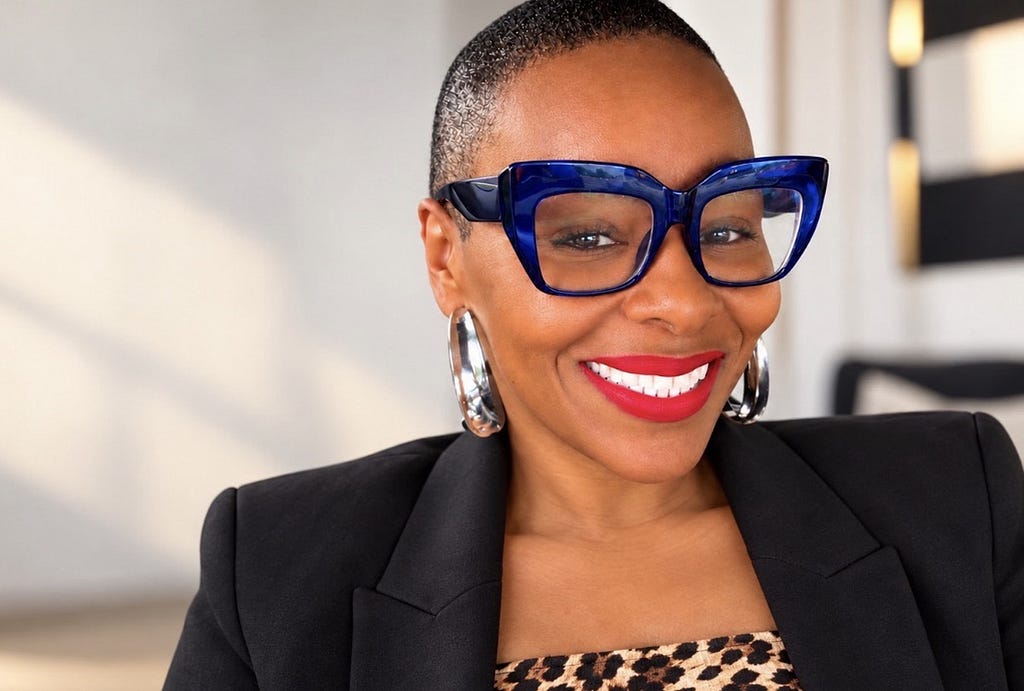
Paula Banks is a children’s author, publisher, and Youth Voice Advocate who helps children trust their ideas, develop their stories, and express themselves with confidence. She is the founder of LitKids Create, a creative literacy initiative, and the creator of Books by Me™ and Confidence Before Correction™. Through her books, programs, and advocacy, Paula equips children and the adults who support them to nurture creativity without taking ownership away from the child.
Thank you so much for joining us in this interview series! Can you tell us a story about what brought you to this specific career path?
Building a creative literacy brand was not in the plans. I first became a children’s author because I wanted children to see themselves reflected in stories and recognize that their experiences were worth sharing. My path became clearer when I began working directly with children. I noticed that many of them had wonderful ideas but questioned themselves before they had a chance to develop those ideas. They often looked to adults for the “right” answer or assumed the adult version was automatically better. That made me think more about what happens before a child writes a great sentence or completes a finished project. They first need space to explore, make choices, and trust what they have to say. That is what led me to start LitKids Create and programs such as Books By Me™. What began with my writing children’s books has grown into a larger mission; protecting youth voices.
Can you share the most interesting story that happened to you since you began leading your company or organization?
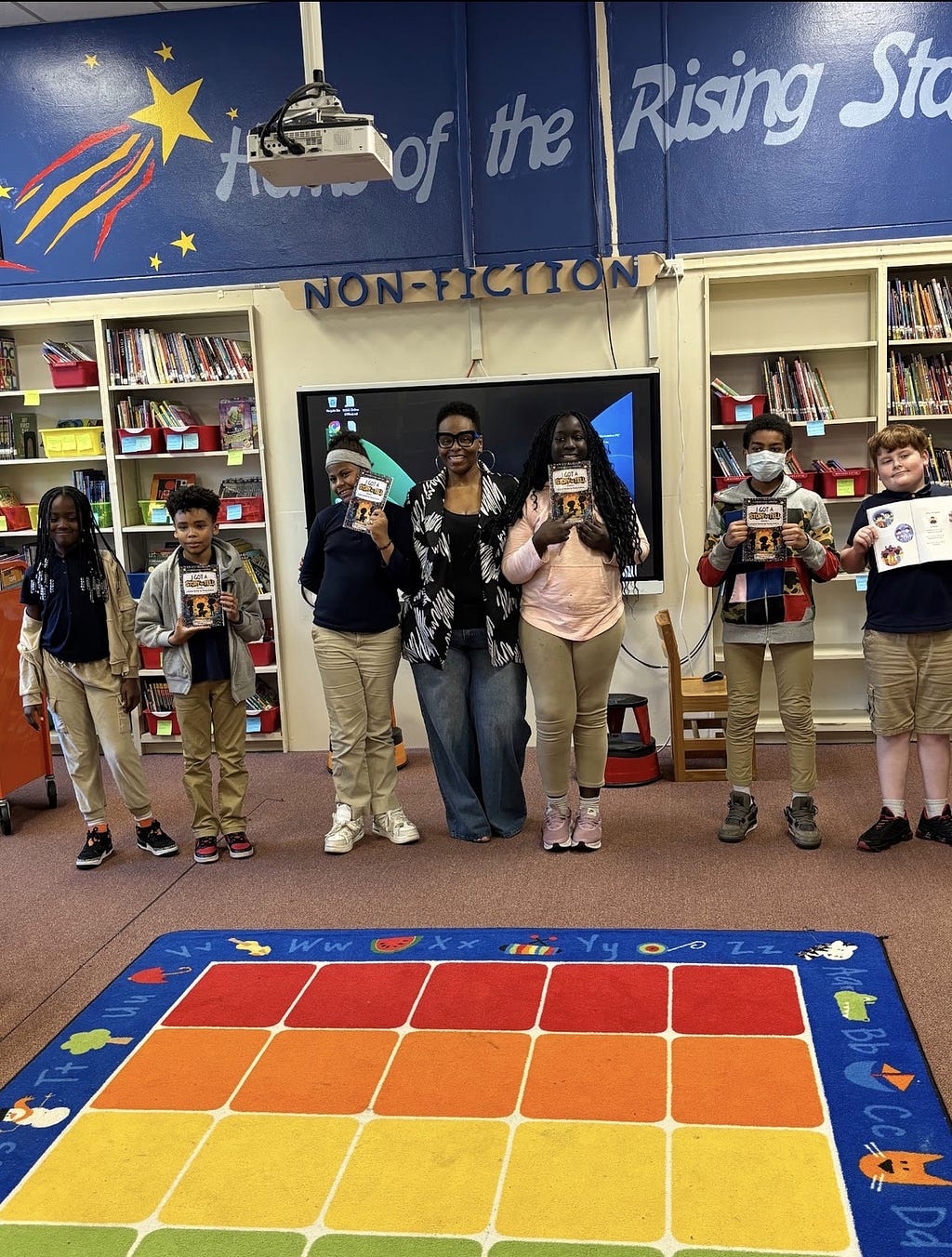
I think the most meaningful story is not tied to one specific moment. It has been watching LitKids Create grow from an idea about helping children tell their stories into a creative literacy initiative that gives children real opportunities to develop, share and publish their work. In the beginning I thought that the goal was to help children become better writers and eventually published authors. After leading the first Books By Me™ cohort changed my understanding of what the work could become. Over four weeks, I watched 9 students move from ideas and different levels of confidence to creating original stories. They made their own creative decisions, supported one another, and became published authors in I Got a Story to Tell. Seeing those students recognize that something from their own imagination could become real was indescribable.
It has been said that our mistakes can be our greatest teachers. Can you share a story about the funniest mistake you made when you were first starting? Can you tell us what lesson you learned from that?
One of my funniest mistakes was believing that every good idea needed to become a complete program immediately. If an idea came to me, I was ready to give it a name, create a logo, build a website, and start promoting it before I had fully decided how it all would work. I could turn one thought into an entire product line by lunchtime. It was funny until I realized I had created more things than I had time or the capacity to manage well. Many of the ideas were strong, but they needed more research, testing, or simply just the time to sit down and develop it. I learned that having an idea does not automatically make it an assignment and excitement is not the same as readiness. Now I give the ideas some breathing room before acting on them. I ask whether the ideas support the larger vision, who it serves, what problem it solves, and if I can realistically have the bandwidth to develop it. That lesson has helped me build LitKids Create with greater intention.
Can you describe how you or your organization is making a significant social impact?
LitKKids Create is making a social impact by creating spaces where children are treated as the owners of their ideas, not simply as students completing an assignment. But through creative literacy experiences, children are encouraged to explore, communicate and develop their ideas through their natural form of expression. Our Books By Me™ program gives young people the opportunity to share their stories beyond the classroom and experience the publishing process.
We also support adults in the child’s life through Confidence Before Correction™, an approach that helps parents and those who work with children respond to children’s ideas with curiosity and encouragement before focusing on what needs to be fixed. The bigger vision and goal is to create more homes, schools, libraries, and community spaces where children feel safe expressing themselves.
Can you tell us a story about a particular individual who was impacted or helped by your cause?
During the first Books By Me™ cohort, one student struggled when I asked him what he wanted to write about. I tried several imaginative prompts, but they did not help him settle on an idea. Instead of assigning him a topic, I decided to ask him about things he enjoyed. When I mentioned superhero, our conversation helped him develop the idea for an original superhero of his own. Once he found a direction that he was interested in, he began creating characters, switching up details, and developing the story. By the following week, when we met again for class, he continued working on his story independently at home, even though his workshop workbook had remained with me. His finished story became one of the longest and most developed pieces of the anthology, and he became a published author.
Are there three things the community/society/politicians can do to help you address the root of the problem you are trying to solve?
Yes, first, schools and communities can recognize creative expression as part of literacy rather than treating it as an optional activity that happens after the “real” learning is finished. Children express themselves in different ways, including writing, drawing, building, speaking, movement, and performance. When they have multiple ways to explore an idea, they can develop the confidence and communication skills needed to bring that idea into a more structured form.
Second, we can better equip the adults who support children. Parents, educators, Libirans, and youth facilitators need practical tools for giving guidance without gradually taking ownership of a child’s work. This includes asking questions before supplying answers, recognizing what the child is attempting, and providing correction in a way that strengthens both the work and the child’s belief in the ability to improve.
Finally, policymakers and community leaders can invest in sustained creative literacy opportunities, especially in communities where families and schools may not have the resources to provide them independently. That means funding muti-session programs, compensating qualified community partners, simplifying access to approved vendors and supporting tangible outcomes such as exhibitions, performances, anthologies, and student publishing. Children should not need access to a well-funded school or a family with disposable income to discover that their ideas are worth developing.
What are your “5 things I wish someone told me when I first started” and why? Please share a story or example for each.
1. Sometimes the seeds you plant do not produce visible results immediately.
When I first started, I wished someone had told me that meaningful work can take time to show results. There were early workshop versions, conversations, books, and ideas that seemed to lead nowhere at the time. I would wonder whether my work was making an impact because I could not immediately see what came from it. Years later, some of these early experiences became the foundation for LitKids Create, Books By Me, and my work around youth voice and creative ownership. Even the opportunities that did not continue taught me what children needed, what organizations needed from me, and how to build stronger programs. I learned that a delayed result is not the same as a failed effort. The work is taking root long before there is anything visible to show for it.
2. Your first version may reveal that you are solving a bigger problem than you realized.
I originally viewed Books By Me as a way to help children write stories and become published authors. During the first full cohort, I noticed that the children needed more than writing instruction. Some needed help finding an entry point into an idea. Others needed reassurance that feedback did not mean they were incapable. They also needed adults to guide the process without gradually replacing their creative decisions. That experience expanded my understanding of my work and that writing and publishing remained a meaningful outcome; creative ownership became central to the program. It also helped me understand Litkids Create as a creative literacy initiative rather than only a youth writing program.
3. A great experience still needs a clear follow through system.
One of my early student storytelling workshops was a successful one-day experience. I created an online portal so students could submit their completed stories, and I planned to publish them in an anthology. The final stories were never submitted, so the publishing part never happened. That experience taught me that the enthusiasm during the workshop does not guarantee completion afterward. The current Books By Me program uses multiple sessions, defined responsibilities, submission deadlines, and a designated contact at the host organization. Inspiration may begin the work, but structure is what helps everyone finish it.
4. Being ready to serve does not mean people know you’re available.
Becoming an approved Norfolk Public Schools vendor was an important accomplishment. However, the approval did not automatically introduce Books By Me to individual principals, media specialists, or literacy leaders. I still had to create outreach materials, explain the program, build relationships, and show decision makers what students had already produced. I really wish someone had told me that visibility is part of the work. It is not enough to create something useful and hope the right people discover it.
5. Capacity has to be considered before commitment.
I have built much of this work while maintaining a full-time job and managing anxiety. For a very long time, I believed determination meant finding a way to do everything I envisioned. I eventually realized that saying yes to too many good opportunities could reduce the quality of my work and leave me without enough energy for the people and projects that mattered most. Learning my capacity has not made me less ambitious; it has helped me become more selective about where I place that ambition.
Can you please give us your favorite “Life Lesson Quote”? Can you share how relevant that was to you in your life?
My favorite life lesson comes from Philippians 4:8: “Finally, brothers, whatever is just, whatever is pure, whatever is lovely, whatever is commendable, if there is any excellence, if there is anything worthy of praise, think about these things.” This scripture has become especially meaningful to me because I have lived with anxiety for many years. My mind quickly can focus on everything that could go wrong, what I should have done differently, whether I am doing enough. Philippians 4:8 remind me to examine my thoughts instead of automatically accepting every thought as true. This scripture guides me in my personal life and with what I am building with LitKids Create.
Is there a person in the world, or in the US with whom you would like to have a private breakfast or lunch with, and why? He or she might just see this, especially if we tag them.
I would LOVE to have lunch with Levar Burton. Through Reading Rainbow, he helped generations of children see reading as an invitation to imagine, explore, and understand the world that wasn’t simply another after school requirement. As a little girl of color seeing him lead that experience on television also was amazing because representation quietly shapes what children believe is possible for them. I would love to talk with him about LitKids Create and my belief that literacy can begin with a child’s idea, whether it’s through writing or another form of expression. I would also want to hear what he has learned about protecting children’s curiosity while helping them develop the skills to communicate what they imagine. Honestly, after everything Reading Rainbow contributed to children’s literacy, I would mostly want to say thank you.
You are a person of enormous influence. If you could inspire a movement that would bring the most amount of good to the most amount of people, what would that be? You never know what your idea can trigger. 😊
I would inspire a Confidence Before Correction movement that helps adults protect children’s ideas while teaching them the skills needed to strengthen those ideas. Too often, when a child shares something, they have written, drawn, built, performed or imagined, and adults’ first response is to point out what needs to be fixed. Sometimes we are so focused on helping children improve that we unintentionally make them wonder whether their original thinking was valuable. The movement would encourage parent’s educators, mentors, and youth-serving organizations to notice a child is creating, become curious about the intention behind it, and affirm the child’s ownership before offering feedback. I believe this could do more than help children become stronger writers or creators. Children who learn that their ideas deserve to be explored are more willing to communicate, solve problems, take healthy creative risks, and contribute to their communities. I would want this movement to ask one question in the mind of every adult working with children: “Am I helping this child strengthen their voice, or am I unemotionally teaching them to surrender it?”
How can our readers further follow your work online?
Readers can learn more about LitKids Create and our creative literacy work at www.litkidscreate.com. They can also follow LitKids Create on Instagram. Email: contact@paulaybanks.com
This was very meaningful, thank you so much. We wish you only continued success in your great work!
Social Impact Heroes: How Paula Banks Of LitKids Create Is Helping To Change Our World was originally published in Authority Magazine on Medium, where people are continuing the conversation by highlighting and responding to this story.