

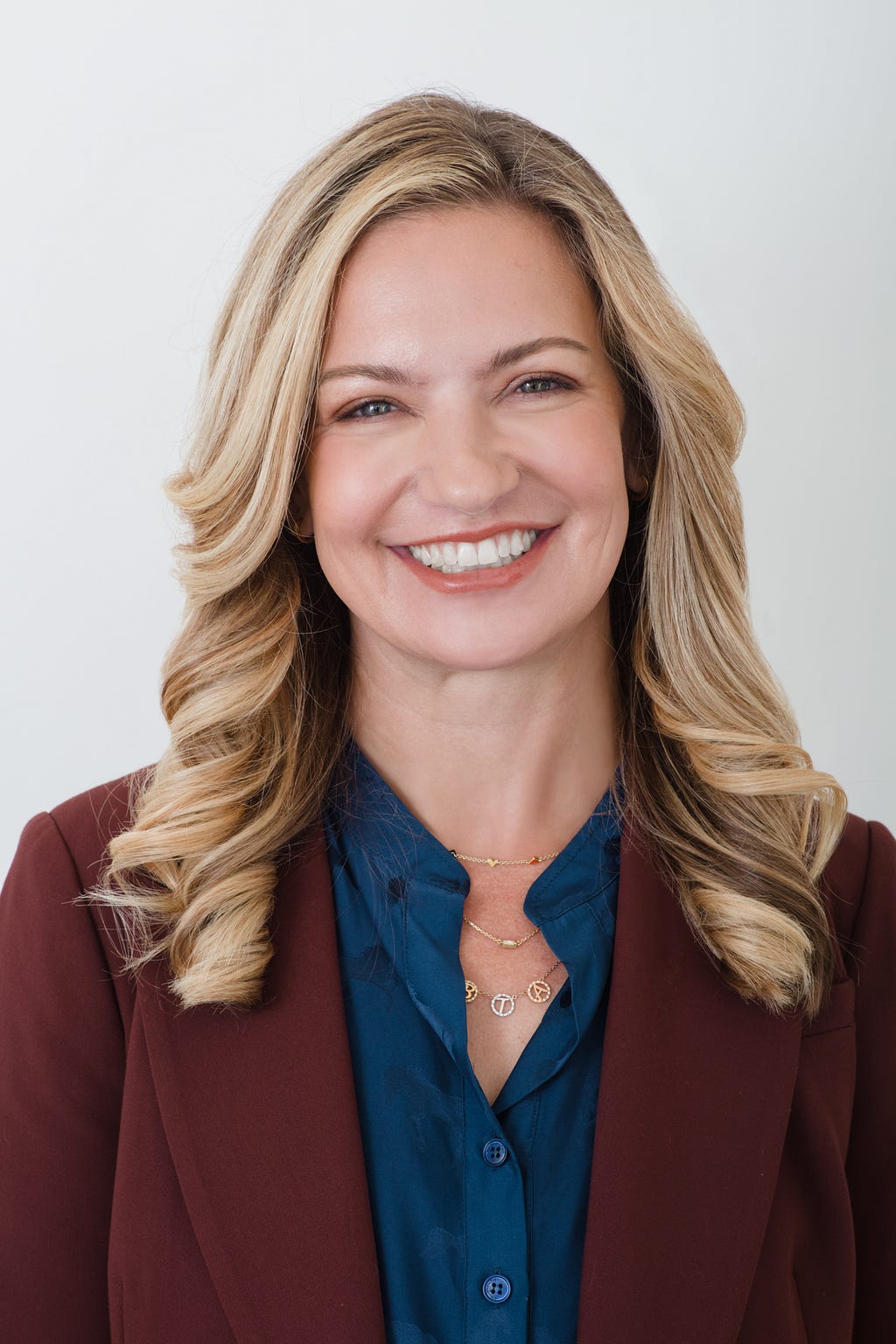
Education Revolution: Mary Miele Of Evolved Education Company On Innovative Approaches That Are Transforming Education
An Interview With Dr. Bharat Sangani
My team believes all children have a light inside of them that only they can shine, and we keep that at the center of all our work.
The landscape of education is undergoing a profound transformation, propelled by technological advancements, pedagogical innovations, and a deepened understanding of learning diversities. Traditional classrooms are evolving, and new modes of teaching and learning are emerging to better prepare students for the complexities of the modern world. This series will take a look at the groundbreaking work being done across the globe to redefine education.
As a part of this interview series, we had the pleasure to interview Mary Miele.
Mary Miele is an educational consultant, learning specialist, and special educator with 30 years of experience across New York City’s public and private school systems. As the Founder and CEO of Evolved Education Company, she partners with families to help students from early childhood through college realize their vision and foster a love of learning. She hosts Be Evolved, a top-ranked parenting and education podcast.
Thank you so much for doing this with us! Our readers would love to “get to know you” a bit better. Can you share the “backstory” behind what brought you to this particular career path?
I started as a teacher in New York City public and private schools. When I saw students in schools or education plans that were a poor fit — resulting in them not loving learning or feeling a lack of confidence — it bothered me and inspired me. My education was the greatest gift I received from my parents and I want that for all students, especially as we modernize education. Now, as the founder of Evolved Education Company, my goal is to help families realize the vision they have for their child’s education journey. My team believes all children have a light inside of them that only they can shine, and we keep that at the center of all our work.
Can you share the most interesting story that happened to you since you started your career? Can you tell us what lesson you learned from that?
When I was a fifth-grade teacher at Spence in New York City, I applied for head of middle school. I was early in my career, and the head of school told me she was impressed with my bravery but that I needed more experience. I took that with me and have pursued opportunities to learn and develop myself. I’ve never stopped being brave and trying out for the new job, even when I’m not the most experienced person in the room.
Can you briefly share with our readers why you are an authority in the education field?
I’m an education consultant, learning specialist and special educator with 29 years of experience across New York City’s public and private schools. I hold an M.A.Ed. from NYU and am certified as a special education teacher and reading specialist. I’ve taught at institutions including Hunter College and Spence, hold a certificate in college counseling from UCLA, and have written nine books on education topics. Just as I approach students with a “whole child” lens, I bring my full history as parent, educator and consultant to my work. When clients come with the complex, high-stakes situations that Evolved is known for specializing in, there’s a high likelihood we’ve solved a similar challenge before.
Can you identify some areas of the US education system that are going really great?
There’s greater recognition of neurodiversity — schools are far more aware of ADHD, dyslexia and anxiety than 10 to 15 years ago. We’re also seeing more flexible pathways to success: gap years and alternative schools; mental health is no longer invisible, specialized programs for different learning profiles are expanding, and parents are more engaged and proactive.
Can you identify the key areas of the US education system that should be prioritized for improvement? Can you explain why those are so critical?
First, fit over standardization. The system assumes one model works for most students. It doesn’t. Misfit drives disengagement, anxiety and underperformance. Second, we need earlier identification and better interpretation of learning differences — too many evaluations sit in drawers without meaningful translation.
There’s also a massive execution gap in support plans. IEPs — individualized education programs for students with disabilities — and 504 plans — accommodations under civil rights law — exist on paper but break down in real classrooms. There’s currently no related-service option for building executive-functioning skills like organization and time management.
Then there’s the “gray zone” student problem: kids who aren’t failing enough to get support but aren’t thriving either. They disengage quietly and get missed. The system is too complex, families lack clear guidance, and teachers aren’t trained to handle diverse learning profiles in practice.
Please tell us all about the innovative educational approaches that you are using. What is the specific problem that you aim to solve, and how have you addressed it?
We use a “parallel plan” model that maps what’s possible within the current school alongside what alternative environments could offer. This reduces panic-based decisions. We prioritize environment, teaching style, pacing and student identity before outcomes like grades. We translate psychoeducational evaluations — comprehensive assessments of learning strengths and challenges — into clear, usable strategies, not just reports. And we view academic performance alongside confidence, engagement, executive functioning, emotional regulation and social functioning, both in school and at home.
In what ways do you think your approach might shape the future of education? What evidence supports this?
Education is moving toward personalization and adaptability. Families increasingly expect strategic guidance, not just information. Schools that succeed will match students, not sort them. We see evidence in disengaged students becoming re-engaged after placement changes, reduced anxiety once support fit improves, stronger academic growth after alignment, and families making faster, more confident decisions.
How do you measure the impact of your innovative educational practices on students’ learning and well-being?
By looking beyond test scores. We look at student engagement, confidence and self-perception — how students describe themselves as learners. We measure consistency of performance, executive-functioning improvements in organization and independence, emotional indicators like reduced school avoidance or anxiety, and family clarity — whether parents move from confusion to informed decision-making.
What challenges have you faced in implementing your educational innovations, and how have you overcome them?
There’s a learning curve in understanding what education consultants do — we solve this with concrete examples and outcomes. Families want quick fixes, so we reframe them toward process and long-term trajectory. Finally, emotional stakes are high, so we balance empathy with clarity.
Keeping in mind the “Law of Unintended Consequences” can you see any potential drawbacks of this innovation that people should think more deeply about?
It can feel slower than “just picking a school.” Not every family wants nuance — some want a clear, immediate answer, even if it’s not the best one. Access is also an issue; this kind of individualized guidance isn’t always available to everyone, but we believe that’s changing. And we ask parents to challenge traditional definitions of success, which can be uncomfortable for families focused on prestige.
What are your “5 Things I Wish I Knew When I First Started”?
1. Not everyone will immediately understand what we do
Not everyone will immediately understand what we do because we’re evolving what is possible in education. Often what we create becomes mainstream two to three years later. We started as a whole-child tutoring program, and then other companies caught on.
2. We can’t solve every problem
We can’t solve every problem or fix every school fit, and that’s not the goal. We need to double down on what we do well.
3. Families often need emotional support
Families often need emotional support as much as strategic guidance.
4. The “right” answer is rarely obvious
The “right” answer is rarely obvious at the beginning.
5. Clarity comes through process
Clarity comes through process, not instant insight.
Can you please give us your favorite “Life Lesson Quote”? Can you share how that was relevant to you in your life?
“Teamwork makes the dream work.” Whether you realize it or not, as a parent, you are sitting on a bench with your own belief system and experiences, alongside other trusted adults and professionals who are guiding, influencing and supporting your parenting. Evolved wants to be on that bench with you to be your anchor and source of support with understanding your whole child and how they learn (which evolves) and helping you to navigate their current school and prospective next schools, from early education through college. I always knew that I wanted to be on a team — I grow in my work in collaboration with others. And being in business means also that we have to compete for our client’s trust and business. If what we are doing is not of value, then we won’t be able to do it. I work for that goal every day: What can we be doing together to level this up, to be ready for what is next for our students and families? How can we all be evolving and helping families realize their vision? That’s what keeps me going.
We are blessed that some of the biggest names in Business, VC funding, Sports, and Entertainment read this column. Is there a person in the world, or in the US, with whom you would love to have a private breakfast or lunch, and why? He or she might just see this if we tag them 🙂
Angela Duckworth — and specifically her new book Situated: Find the People and Places That Bring Out Your Best. Her core argument, that the right environment, peers, and mentors often matter more than telling a kid to try harder, is the work I do every day. School placement, executive functioning, who’s on a student’s team: it’s all about putting kids in situations where their best self is the easier self to be. I’d want to compare notes on what she’s seeing in the research and what I see in living rooms and admissions offices every week.
How can our readers further follow your work online?
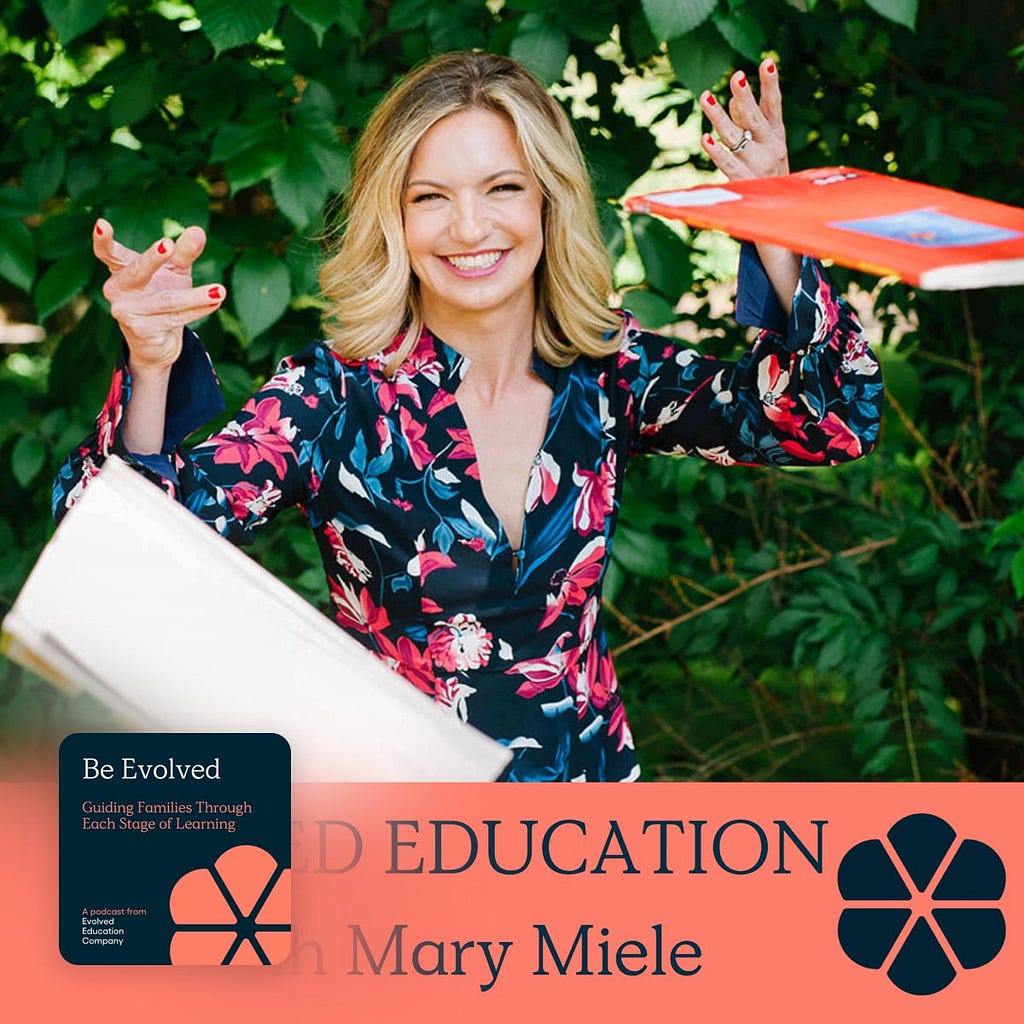
Follow us on Instagram at @evolvededucationcompany, listen to the Be Evolved podcast, or visit evolvededucationcompany.com
Thank you so much for these insights! This was so inspiring!
About The Interviewer: Dr. Sangani (“Doc”) is a thriving cardiologist, business owner, husband, father and friend. His latest venture — LifeRx — is a community committed to helping growth-minded professionals create happiness through the pillars of health, wealth and connection.
Education Revolution: Mary Miele Of Evolved Education Company On Innovative Approaches That Are… was originally published in Authority Magazine on Medium, where people are continuing the conversation by highlighting and responding to this story.