

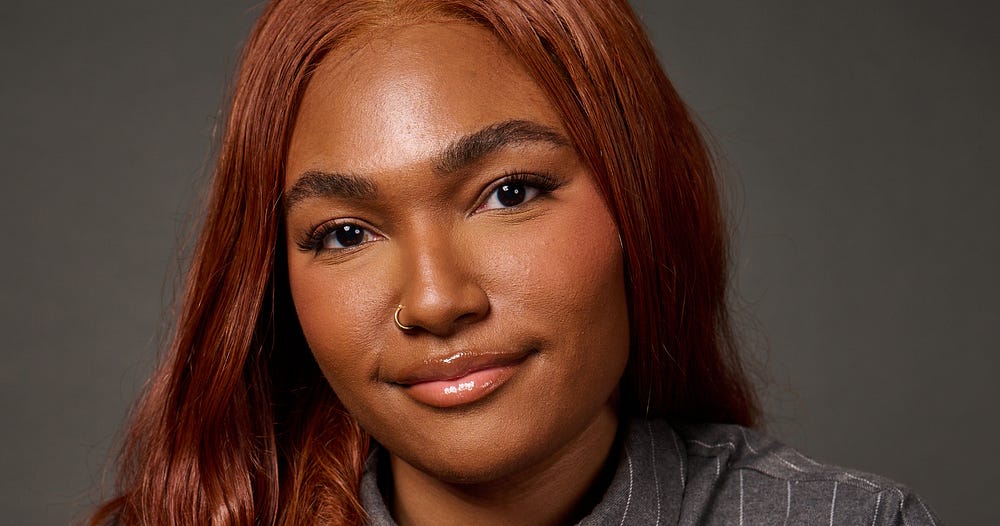

My goal is to make those moments more accessible so that influence can translate into real opportunity.
As a part of our series about leaders who are using their social media platform to make a significant social impact, we had the pleasure of interviewing Christina Westley.
Christina Westley is a professional speaker, host, and cultural curator. She is the Founder and CEO of Real Social, a consultancy and creative studio connecting brands with culturally influential voices. Through her Substack Social Feed and IRL community series, Social Setting, she amplifies underrepresented creators and builds intentional spaces that translate digital influence into opportunities and access.
Thank you so much for joining us in this interview series! Can you tell us a story about what brought you to this specific career path?
What really brought me to this career path was a combination of exposure, timing, and a deep love for brand building. Growing up in Ohio, long before I knew influencer marketing would one day become a formal industry, I was drawn to the intersection of business, storytelling, and people.
My parents exposed me to business early on, and from there, I had opportunities that expanded my perspective quickly, including high school business programs, early internships at Procter & Gamble, and later attending the University of Pennsylvania’s Wharton School. Those experiences not only shaped my business acumen but also surrounded me with people who were building, creating, and thinking ambitiously.
Throughout my career, I’ve always been someone who follows my instincts about what energizes me. As social media evolved and the influencer marketing industry boomed, it was a natural fit for me. It combined everything I loved: strategic brand building, entrepreneurial thinking, and authentic human connection.
Can you share the most interesting story that happened to you since you began this career?
My very first Social Setting dinner was truly an idea fueled by mission, vision, and credibility. Despite it being in its “startup stage,” we brought together major brands like American Express and Ticketmaster alongside influential creators such as Speedy Morman and Eni Popoola, all because they believed in the purpose behind what I was building.
Seeing the power of building something on my own was a turning point for me. It showed me that when you have a clear vision and strong relationships, you don’t have to wait for a company to give you permission to execute.
It has been said that our mistakes can be our greatest teachers. Can you share a story about the funniest mistake you made when you were first starting? Can you tell us what lesson you learned from that?
I worked on a campaign sourcing athletes early in my agency career, and because I didn’t follow sports at the time, I relied on surface-level research & data. During a client presentation, I learned that one of the athletes I recommended was facing very public challenges. It was incredibly embarrassing at the time, but became an important lesson about how much diligence casting truly requires, especially when working in communities you’re not personally part of, and it taught me to always go deeper than what’s visible on the surface.
You have been blessed with success in a career path that can be challenging. Do you have any words of advice for others who may want to embark on this career path, but seem daunted by the prospect of failure?
No one enters this with a perfect roadmap. When I started, influencer marketing wasn’t even considered a formal discipline, so much of my journey was built on following curiosity, staying adaptable, and trusting my instincts. Failure is not a signal to stop. It’s simply information that helps you refine your direction.
I also encourage people to focus on relationships and a long-term perspective over quick wins. This industry is built on trust, credibility, and consistency. If you stay committed to learning, build genuine connections, and remain clear on your values, you can create a career that is not only successful but meaningful.
Ok super. Let’s now jump to the core focus of our interview. Can you describe to our readers how you are using your platform to make a significant social impact?
For me, using my platform for social impact is about creating access. Throughout my career, I’ve seen how much opportunity in the creator economy hinges on who has access to the right rooms, relationships, and decision-makers. A big part of my work focuses on helping close that gap, particularly for Black creators who have the talent but haven’t always had the same pathways to visibility and opportunity.
Through my company, Real Social, I create impact both online and offline. Online, through Social Feed, we amplify underrepresented creators, share industry insights, and connect our community to opportunities and resources. Offline, through Social Setting, we curate intentional gatherings that bring influencers, brand leaders, and media into the same room to build meaningful relationships. I’ve learned that impact often happens in simple but powerful moments, like an introduction that leads to a partnership or a conversation that changes someone’s trajectory. My goal is to make those moments more accessible so that influence can translate into real opportunity.
Can you tell us a story about a particular individual who was impacted by this cause?
One example that really sticks with me is a creator and DJ named Kenneth Kyrell. He had recently transitioned into full-time content creation and, like many micro-influencers, had the talent but not always direct access to brand decision-makers.
He attended one of our Social Setting dinners and ended up sitting next to a brand lead from Disaronno. That conversation turned into a paid partnership with the brand, which became an important early deal in his full-time creator journey. It was a simple but powerful reminder that sometimes impact is just about creating the right environment for people to meet, connect, and turn potential into real opportunity.
Was there a tipping point that made you decide to focus on this particular area? Can you share a story about that?
As I progressed from a junior marketer to a leader in Influencer Marketing at PepsiCo, I initially believed that as I gained seniority, I would be able to meaningfully close the gaps I was seeing in the industry. But over time, I realized the challenge wasn’t just about position or influence within one company. There were systemic patterns that persisted regardless of title.
That realization shifted something for me. While seniority alone didn’t erase the issue, it did give me credibility, visibility, and a voice within the industry. I began to understand that my impact could extend beyond individual campaigns or brands. That ultimately led me to step away from corporate and focus on advocating at an ecosystem level, building platforms and spaces designed to address the root of the problem.
Are there three things the community/society/politicians can do to help you address the root of the problem you are trying to solve?
At its core, the problem I’m working to address is access — who gets visibility, opportunity, and the ability to build real wealth through the creator economy. Marketers and brands have a real responsibility because our work doesn’t just promote products; it platforms voices and shapes who gets seen. That means being intentional about who we invest in and making sure we aren’t simply operating within the same limited networks.
It also requires leaders to actively expand their perspectives and build genuine relationships with the communities they want to reach. And on a broader level, companies can support this progress by continuing to invest in education and creative career pathways, ensuring that more underrepresented voices have the resources to participate and thrive in today’s digital economy.
Why do you think social media in particular has the power to create social change and create a positive impact on humanity?
I think social media is so powerful because it has fundamentally changed who gets to have a voice. In the past, visibility was controlled by a small group of gatekeepers, but today, anyone can show up, share their perspective, and build an audience around what makes them unique.
That shift has allowed people to find communities they may not have had access to in their offline lives. When more voices can be seen and heard, it not only diversifies the stories we consume but also creates connection, representation, and a sense of belonging.

What are your “5 things I wish someone told me when I first started” and why? Please share a story or example for each.
1. Relationships matter more than transactions.
My career has been an accumulation of relationships and a genuine care for people. Many of my most pivotal opportunities, including roles at PepsiCo and my earliest partners at Real Social, came from the trust I had built over the years.
2. Proximity changes everything.
When I reflect on my journey, I think about the intentional investments my parents made, from supporting my education at UPenn to supporting my move to New York City. Those experiences placed me closer to opportunities, networks, and environments that expanded what felt possible. It reinforced for me that talent alone isn’t enough. Proximity to the right spaces and people can be a powerful catalyst for success.
3. You don’t have to wait for a title to have an impact.
Early on, I assumed impact came primarily with seniority. But some of the most meaningful changes I’ve helped drive happened when I leaned into my purpose and believed in myself as an entrepreneur.
4. Your perspective is your greatest differentiator.
I grew up moving frequently, and living in different cities (including Fayetteville, AR), I was exposed to a wide range of environments and communities. That experience gave me a deep understanding of the depths of “diversity” and the power of authentic storytelling. As I entered influencer marketing, I realized that perspective wasn’t something to downplay; it is indeed a superpower.
5. Building something meaningful takes patience.
I’ve wanted to be an entrepreneur since I was a teenager. I tried many ideas over the years, but none truly stuck. Looking back, I realize the timing simply wasn’t right yet. Real Social has gained momentum because it reflects the skills, relationships, and perspective I built over time, showing me that meaningful success often comes when experience and purpose finally align.
You are a person of enormous influence. If you could inspire a movement that would bring the most amount of good to the most amount of people, what would that be? You never know what your idea can trigger. 🙂
If I could inspire a movement, it would be around valuing relationship-driven leadership in an increasingly transactional world. I’d want to see more people prioritize genuine connection, mentorship, and community building over short-term wins. When we shift from thinking only about individual success to actively opening doors for others, we create ecosystems where more people can thrive.
Is there a person in the world, or in the US whom you would love to have a power lunch with, and why? He or she might just see this, especially if we tag them. 🙂
I would love to have a power lunch with Rihanna. I admire how she has transformed cultural influence into true ownership and long-term impact. She hasn’t just built successful brands; she’s demonstrated what it looks like to pair ownership with cultural impact and true representation.
How can our readers further follow your work online?
Join the Social Feed Community to access resources, opportunities, and connections within the creator economy. Follow @getsocialfeed on Instagram for recaps and creator spotlights. And connect with me, Christina Westley, on LinkedIn!
This was very meaningful. Thank you so much!
About The Interviewer: Stanley Bronstein is an attorney, CPA, and author of more than 20 books. However, he doesn’t consider any of those his greatest achievement. His most significant accomplishment was permanently losing 225 pounds and developing the personal growth system that made it possible — The Way of Excellence. As a catalyst for change, he has dedicated his life to helping others maximize their potential, transform their lives, and achieve optimal health. To learn more, you can download a free PDF copy of his latest book, The Way of Excellence Journal, at https://TheWayOfExcellence.com.