


I want to help stop pollution, illegal hunting, and poaching. I also want to raise awareness about animal cruelty and the suffering of animals kept in tiny cages or in spaces that are far too small.
As a part of this series, we had the pleasure to interview Noah Beshto.
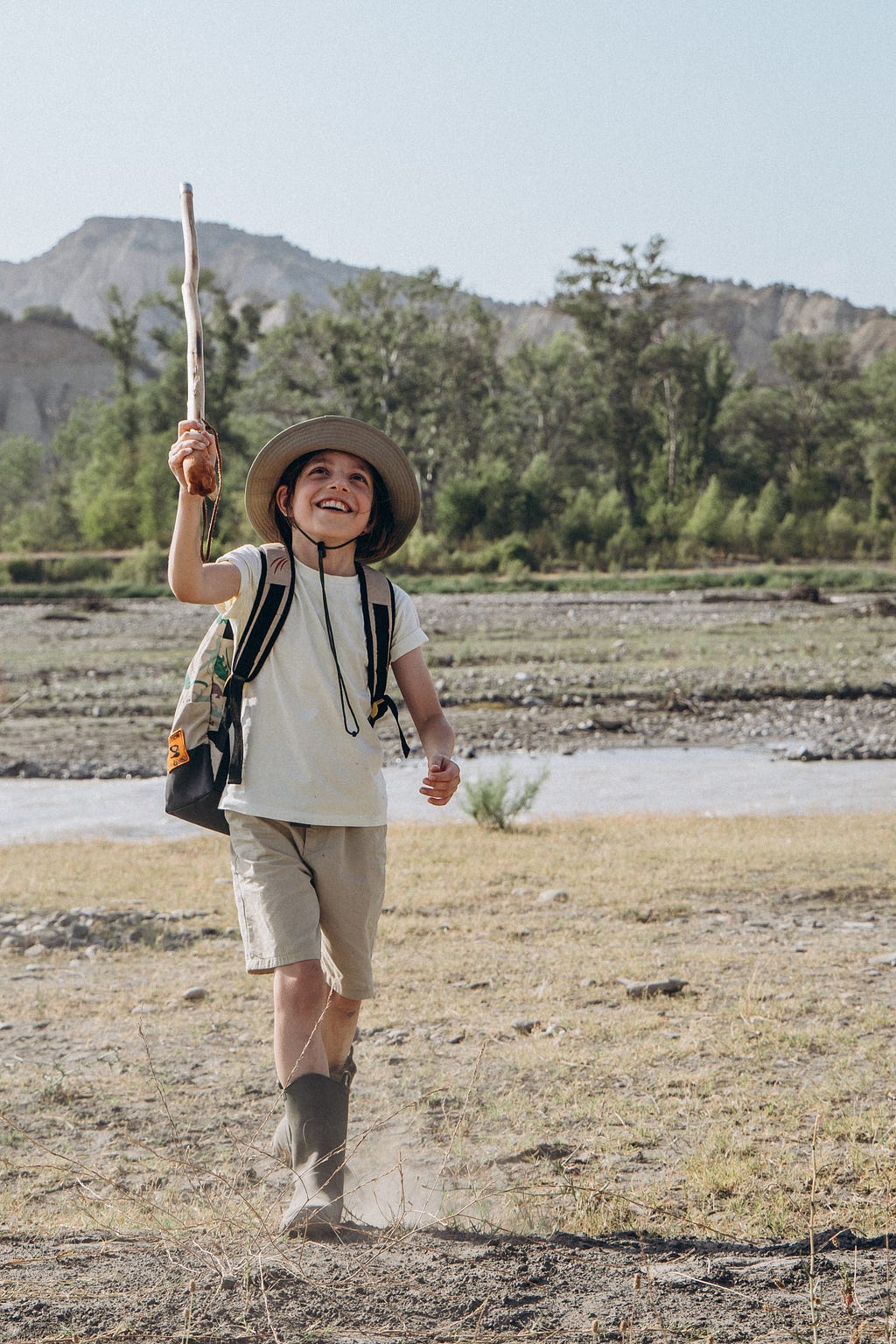
Noah Beshto is a 10-year-old documentarian and wildlife advocate who isn’t waiting to grow up to understand nature and what he can do for it. He’s doing it now. Born in Kyiv, Ukraine, and now based in Azerbaijan, Noah created Noah’s Diary, a YouTube wildlife documentary series filmed in eleven countries that has drawn more than 765,000 views. Through the series, he raises awareness for wildlife rescue and researches birds and plastic pollution. The San Francisco-based nonprofit Action For Nature recently named Noah an Honorable Mention winner of the 2026 International Young Eco-Hero Award. He was one of 16 honorees chosen from 476 applicants in 50 countries.
Thank you so much for joining us in this interview series! Before we dig in, our readers would like to get to know you a bit. Can you tell us a bit about how you grew up?
Thank you so much for your interest in my project and for giving me the opportunity to share my story. It means a lot to me that more people will learn about my journey and my mission to protect wildlife and our planet.
When I was little, I was always drawn to animals. I never really played with cars or airplanes — I preferred dinosaurs, dragons, lions, and other animal toys. One year, for my birthday, my parents bought me a big toy farm with chickens, pigs, ducks, and geese. I played with those animals all the time. When I was around six or seven, I loved going to the sea and observing fish and other marine animals. But I also noticed things that made me sad. I felt sorry for the fish kept in aquariums in shops and seafood restaurants, and for the parrots on beaches whose wings were clipped so tourists could take pictures with them. I couldn’t understand why animals had to suffer just for people’s entertainment. My first pets were two cockatiels and two rabbits. Over time, caring for animals became an even more important part of my life. Today, I live in Azerbaijan, where I share my life with pigeons, cats, and other animals. I think my love for animals has always been a part of me. It was difficult for me to see them suffer. I always wanted to help them and save them. I’m very grateful to my parents for understanding how much I love animals and for supporting me in my desire to help and protect them.
You are currently leading a project that aims to make a social impact. Can you tell us a bit about what you and your project are trying to change in our world today?
Noah’s Diary started when I was seven. It began with nothing more than my childhood love for animals, which my parents noticed and supported. Over time, that love grew into a media project, then into expeditions, and now also includes small activities aimed at protecting and conserving our planet.
When I was eight, I often saw birds being exploited and kept in small cages. I felt sorry for them, and it was hard for me to watch. Now I’m ten, and I make videos to help animals and protect wildlife. I want to help stop pollution, illegal hunting, and poaching. I also want to raise awareness about animal cruelty and the suffering of animals kept in tiny cages or in spaces that are far too small. But I think the most important thing my project can do is show people how beautiful our planet is and help them fall in love with nature. Because when you love something, you want to protect it. I believe that if more people discover the beauty of our planet, we can learn to live in harmony with nature, understand that we are part of it, and work together to protect it.
Can you tell us the backstory about what inspired you to originally feel passionate about this cause?
One of my biggest inspirations is David Attenborough. I watched his videos and wanted to do something similar. I was also upset when I saw animals suffering, being captured, or treated badly. At first, I tried to help directly, but I realised I could also show people what was happening through videos. If people don’t see the truth, they may not understand the problem. My parents encouraged and supported me, and that helped me get started.
Those are the things that inspire me: David Attenborough, my parents, and the wish to help nature.
Many of us have ideas, dreams, and passions, but never manifest it. They don’t get up and just do it. But you did. Was there an “Aha Moment” that made you decide that you were actually going to step up and do it? What was that final trigger?
I think I was around seven. I saw animals suffering and being exploited. Seeing animals in aquariums and in very small or poor enclosures also affected me. One thing that really affected me was seeing macaws whose wings had been clipped so people could use them for entertainment.
I felt I couldn’t just wait any longer, so I told my parents: “We need to do something.” They agreed to help.
Many young people don’t know the steps to take to start a new organization. But you did. What are some of the things or steps you took to get your project started?
After I told my parents that I wanted to help animals, they found people who could help us make a film because they believed it was one of the most effective ways to reach people and make them care.
I think the most important thing in the beginning was that I couldn’t stop thinking and talking about the things that worried me. I genuinely wanted to help animals and change the things that felt unfair to me. A filming team came, and we began recording our first material. Then we went on our first expedition, where I started meeting scientists, and talking to people who, just like me, are passionate about protecting our planet.
Can you share the most interesting story that happened to you since you began leading your company or organization?
One of my favourite stories happened when Nikо Paposhvili and I went to Lake Tabatskuri in Georgia to find and ring velvet scoters. Velvet scoters used to breed on lakes across the Caucasus, but today, the only known breeding population of this species in the region is found at Lake Tabatskuri.
So, Nika caught one bird using a net. As he walked through the tall grass, I suddenly saw a bird running straight towards me. I thought Nika had accidentally let his bird go, so I grabbed it with my bare hands! I was absolutely shocked! Nika was shocked too when he came out of the grass with another bird. That’s when we realised I had caught a second velvet scoter with my bare hands. It was a completely unexpected moment, and we were both amazed! Catching a duck is really difficult!
It has been said that our mistakes can be our greatest teachers. Can you share a story about the funniest mistake you made when you were first starting? Can you tell us what lesson you learned from that?
While we were filming in a forest, I went exploring with a friend while the adults were talking. We walked away from the group and saw something big and dark moving in the bushes. We got scared and ran as fast as we could because we thought it might be a wild boar.
We never found out for sure what the animal was, but I learned an important lesson: never wander off alone in the forest, especially when you don’t know what you might encounter! Another important lesson I’ve learned is that our opinions can change when we learn more about something. I used to think that taxidermy displays in natural history museums were just about killing animals for no reason. But now I understand how important museum collections are for scientific research and nature conservation. I’ve also changed my opinion about zoos. During my expeditions, I’ve visited places that work to conserve endangered species, and I’ve learned how important some zoos are in protecting wildlife and preventing species from going extinct. Of course, zoos are not all the same. I’m strongly against places that exploit animals, keep them in poor conditions, or care only about making money. I believe animals deserve respect, and their welfare should be the top priority in any place that keeps them. I’ve learned how important it is to ask questions, keep learning, and be ready to change your mind when you discover new facts. Sometimes, what we believe at first is only a small part of the whole story.
None of us can be successful without some help along the way. Did you have mentors or cheerleaders who helped you to succeed? Can you tell us a story about their influence?
Alot of people have helped me but my mum has been my biggest supporter. When I feel like I can’t continue, she tells me to take a break, relax, and then carry on. She reminds me that everything will be okay and that I can do it.
Can you tell us a story about a particular individual who was impacted or helped by your cause?
I can’t know for sure how every person who watches my videos is affected, but I’ve already seen changes among people around me. For example, my mum’s friends, our friends, and my own friends have started leaving water out for animals and finding other ways to help them.
But one of the most meaningful experiences for me happened during our expedition to study the migration of black storks. At a conference in Istanbul, I met an environmental activist working to address the problem of storks dying after colliding with power lines. We had discussed the same problem with an ornithologist from Bulgaria. Thanks to our project, these two organisations connected and are now planning to discuss possible joint projects to help reduce bird deaths caused by power lines. For me, this is a great example of how our project can make a difference. It’s not only about making videos and raising awareness. It’s also about bringing people together, helping them share knowledge, and creating opportunities to work together to protect wildlife.
Are there three things the community/society/politicians can do to help you address the root of the problem you are trying to solve?
First, don’t support animal exploitation. We should stand up for a ban on circuses and other forms of entertainment that use animals. If you see animals being treated cruelly, don’t stay silent. Don’t pay for attractions that exploit animals, and share these problems on social media so more people become aware of them.
Second, reduce the amount of waste you produce. Use reusable items whenever possible and sort your waste so it doesn’t pollute nature.
Third, and most importantly, enjoy our planet! Go outside, explore the world around you, observe, listen, and fall in love with nature. But don’t harm it, destroy it, kill wild animals, or exploit them. The more we get to know our planet, the more we want to protect it.
What are your “5 things I wish someone told me when I first started” and why? Please share a story or example for each.
1. The importance of patience
I didn’t know that sometimes you have to get up at three in the morning to watch and film birds. And you also have to film at sunset because that’s when the sunlight is beautiful.)))
2. The reality of long waits
I didn’t know that seeing real wildlife means sometimes having to wait for hours, days, or even entire nights. Once, we went into a tent at two in the morning to film vultures feeding at sunrise. We waited all night, but they never came — something had scared them away… So we came back the following night and waited again. And that time, they finally arrived!
3. The workload behind the scenes
I never imagined that I would have to spend two or three hours every week recording videos and voice-overs.
4. The sacrifice of personal time
I also didn’t know that sometimes I would have almost no free time to spend with my own animals. I wish someone had told me all this beforehand!))) That it would be so difficult and take so much time and effort.
5. The reward is worth the challenge
But honestly, even if I had known, I still wouldn’t have given it up. Because it’s incredibly cool to learn so many new things, meet interesting people, observe wildlife, and take part in important and fascinating field research. It’s all worth it!
If you could tell other young people one thing about why they should consider making a positive impact on our environment or society, like you, what would you tell them?
Put your phone down and look around! Discover how amazing our planet is, learn more about the animals we share it with, and think about what we can do to protect them. Every one of us can make a difference, even through small actions. And when we work together, we can make the world a better place for all living things.
And never think you’re too young to care about these things or make a difference. I wish every child could grow up understanding that we are part of nature, not separate from it. Respecting all living things on Earth should simply be a natural part of life.
Is there a person in the world, or in the US with whom you would like to have a private breakfast or lunch, and why? He or she might just see this, especially if we tag them. 🙂
Of course, it would be David Attenborough. He has witnessed how the world has changed over the past hundred years. He has seen humans begin to destroy the planet, but he has also seen us learn how to live on it in a different way.
I would ask him one question: How have you never stopped loving humanity, knowing how much harm we can cause to those who are weaker than us?
How can our readers follow you online?
Noah Beshtoʼs DIARY on YouTube: https://www.youtube.com/@noahbeshtosdiary/videos
On Instagram: https://www.instagram.com/noahbeshto
This was very meaningful, thank you so much. We wish you only continued success in your great work!
Young Social Impact Heroes: Why and How Noah Beshto Is Helping To Change Our World was originally published in Authority Magazine on Medium, where people are continuing the conversation by highlighting and responding to this story.