


An Interview With Martita Mestey
In public service, community work, and even personal relationships, how you speak to people can either build bridges or burn them. I’ve learned that you never know when you might have to revisit a conversation, ask for help, or work alongside someone you once disagreed with. Leading with kindness and respect, even in tough moments, keeps the door open for trust, collaboration, and reconciliation down the road.
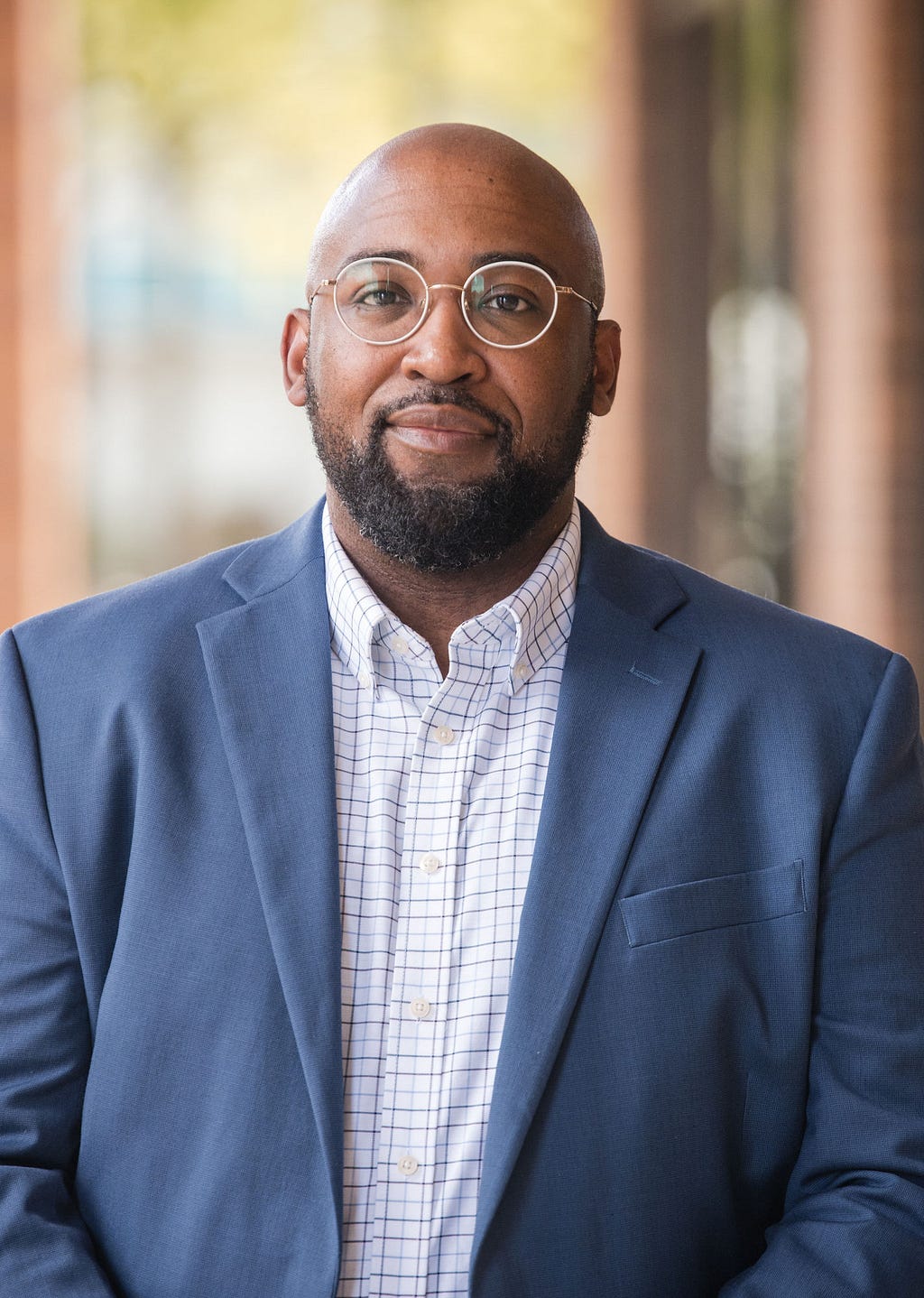
As part of my series about “individuals and organizations making an important social impact”, I had the pleasure of interviewing Brian Gunn.
Brian Gunn, a lifelong Birmingham resident rooted in Norwood, is running for City Council District 4 with a mission to deliver leadership that shows up, listens, and gets results for neighborhoods. With more than a decade of experience in neighborhood revitalization, civic engagement, and criminal justice transparency, he serves as Senior Impact and Outreach Manager for Measures for Justice and has led transformative community projects across the city. A dedicated public servant, Gunn has held leadership roles on multiple nonprofit boards, served on the Birmingham Planning Commission since 2019, and remains committed to sustainable, equitable growth for all residents.
Thank you so much for joining us in this interview series! Can you tell us a story about what brought you to this specific career path?
I didn’t set out thinking I would be running for City Council or leading national engagement work. I have always followed the places where my heart, my values, and my life’s purpose intersect, to see people in an overall state of well-being, both physically and mentally, economically and socially.
After leaving Birmingham at nine and returning at 26, I carried with me the perspective of living in cities that invested in their people and created opportunities for all. That shaped how I approached every role I took on, whether it was community work, neighborhood revitalization, or public engagement, always centering on helping people live well and be seen.
My early work in community engagement also taught me that data is not just numbers; it is also a powerful tool for understanding and informing decisions. It is people’s lives. Every project, from revitalizing a neighborhood to pushing for open criminal justice data, reminded me that change happens when you bridge truth with action. Over time, it became clear that my calling is to create spaces where people’s voices guide decisions and where community wellbeing is at the heart of every choice we make.
Can you share the most interesting story that happened to you since you began leading your company or organization?
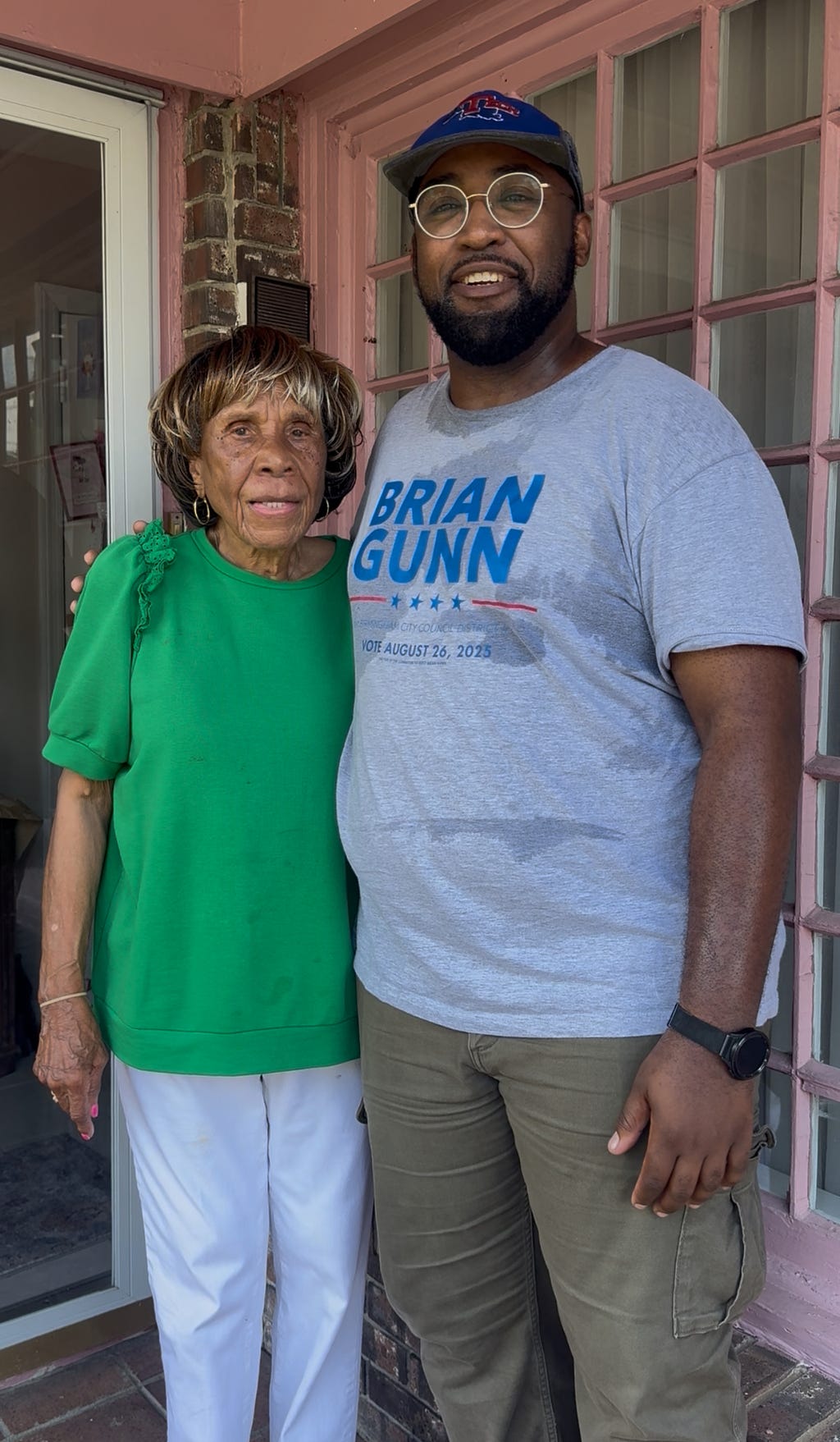
One of the most interesting moments since launching my campaign happened while I was out knocking on doors in Norwood. I met a lady who has lived in the same house for more than 30 years. She told me she had not seen a City Council candidate on her doorstep in years. We sat there in her living room talking about everything from overgrown lots to the need for more opportunities for young people, and before I left, she said, “It means something that you came here yourself and listened.”
That conversation stuck with me because it reminded me why I am running — not to speak for people, but to stand with them, hear them, and ensure their concerns do not get lost in the noise. It was not just a campaign stop. It was a reminder that the most powerful change starts with showing up and being present.
It has been said that our mistakes can be our greatest teachers. Can you share a story about the funniest mistake you made when you were first starting? Can you tell us what lesson you learned from that?
When I returned to Birmingham in 2012 and began working in community and economic development, I thought I already had instant credibility. I was a native; my parents were products of 1960s Birmingham, and they attended Carver and Parker High School. I figured that alone would give me rapport with the communities I was serving. Turns out, not so much.
Some people knew my parents, but they didn’t know me. And in this kind of work, knowing of someone is not the same as trusting them. I quickly learned that I couldn’t skip steps just because of my roots. I had to show up consistently, be intentional, and prove that I was there to listen, not just talk. It took about a year and a half of community meetings, genuine conversations, and follow-through before those relationships really started to blossom.
The funny part is that I walked in thinking my “Birmingham résumé” would be enough, and the community politely reminded me otherwise. The lesson? In community engagement, trust moves at the speed the community sets, not the speed you want. And you can’t fast-track relationships — you earn them one conversation at a time.
Can you describe how you or your organization is making a significant social impact?
I’m making a significant social impact by working to bridge the gap between the people of Birmingham and the decisions that shape our daily lives. Through my campaign for City Council, I am putting residents at the center of the conversation, ensuring their voices are heard and their concerns are addressed. That means knocking on doors, holding listening sessions, and staying present in every neighborhood, not just during election season but as a way of governing.
Beyond the campaign, my work has consistently focused on helping communities live well and thrive. I’ve led efforts in neighborhood revitalization, public engagement, and data transparency, making sure policies and projects reflect the needs and realities of the people they’re meant to serve. For the last six years, I’ve served on the Birmingham Planning Commission, being intentional about how planning and zoning decisions will benefit our city over the long run. That includes long-range land use planning that shapes the kind of Birmingham future generations will inherit.
I also serve as the board chair for the Offender Alumni Association, where we work to reduce recidivism, provide opportunities for formerly incarcerated individuals to thrive, and give back to society. Through our hospital-linked intervention program, we are actively working to reduce gun violence by connecting with victims and their families at a critical moment. On top of that, I remain attentive to the work of neighborhood associations and advisory boards, ensuring that our built environment is sustainable, supports healthy outcomes, and reflects the vision of the people who live here.
Can you tell us a story about a particular individual who was impacted or helped by your cause?
Instead of one individual, my work has always been about serving people across communities and in different walks of life. I’ve worked to help reshape the criminal justice system nationally, strengthen business associations and business districts here in Birmingham, and reduce gun violence in our neighborhoods. I’ve mentored young people to help them stay on track, get into college, or find the right trade.
For me, it’s never about a single headline moment. It’s about ensuring people have access to the resources they need, whether that’s helping a business owner secure funding to grow, facilitating home repairs for a family, or guiding a student toward a program that opens new doors for their future. My heart and passion are to serve, and every time I can connect someone to an opportunity that helps them move forward, that’s the win.
Are there three things the community/society/politicians can do to help you address the root of the problem you are trying to solve?
We need to create more intentional spaces for community voices to influence policy. Too often, decisions are made without including the people most affected. This means holding accessible public meetings, actively engaging residents, and ensuring their input is reflected in the final decisions.
Additionally, we should invest in long-term solutions rather than just short-term fixes. This includes sustainable economic development, infrastructure improvements, and programs that address the root causes of issues such as gun violence, poverty, and blight.
Finally, we must strengthen partnerships across various sectors, including community members, neighborhood associations, nonprofits, businesses, and elected officials. By working together rather than in isolation, aligning our efforts, sharing resources, and committing to transparency, we can achieve lasting progress.
How do you define “Leadership”? Can you explain what you mean or give an example?
I define leadership as knowing when to step forward and when to step back. Back in college, I read an article called “Nelson Mandela: His 8 Lessons of Leadership,” and one lesson has stayed with me ever since: lead from the back. That means understanding that leadership is not about always being in front or being the loudest voice in the room.
A strong leader creates space for others to shine, listens deeply, and allows themselves to be led by the people they serve — whether that’s a team, a community, or those most impacted by the decisions being made. Leadership is about building trust, guiding a vision forward without needing to control every step, and having the humility to recognize that real strength comes from collective effort, not individual dominance.
What are your “5 things I wish someone told me when I first started” and why. Please share a story or example for each.
1. Trust moves at the speed of relationships, not titles.
When I returned to Birmingham in 2012, I thought my roots and family history would automatically lend me credibility in the communities I served. It didn’t. I had to show up consistently, listen, follow through, and earn trust one conversation at a time.
2. You cannot do this work alone. Build your circle early.
In my early years of community work, I tried to shoulder too much myself. I learned that having a strong network of partners, advisors, and community leaders is critical. Those relationships have been the foundation for projects that would never have happened if I’d tried to go solo.
3. Listen longer than you talk.
Reading “Nelson Mandela: His 8 Lessons of Leadership” taught me the power of leading from the back. In practice, that has meant letting residents speak first at community meetings, asking follow-up questions, and resisting the urge to jump in with solutions before fully understanding the problem.
4. Wins don’t always look like headlines.
Some of the most important victories in my work have been quiet — such as helping a resident navigate city processes to get a dangerous property cleaned up, or connecting someone to a job opportunity after they have been incarcerated. Those moments might not make the news, but they change lives.
5. Your “why” is your anchor.
There have been long days on the campaign trail and moments in public service where progress felt slow. Remembering that my purpose is to see people in an overall state of well-being keeps me grounded. Whether I’m on the Planning Commission, leading the Offender Alumni Association, or knocking on doors, that “why” shapes every decision I make.
You are a person of enormous influence. If you could inspire a movement that would bring the most amount of good to the most amount of people, what would that be? You never know what your idea can trigger. 🙂
If I could inspire a movement, it would be one rooted in collective wellbeing, a city and a society where every decision, from policy to planning, is measured by how it improves people’s lives physically, mentally, economically, and socially. We commit to listening first, acting with transparency, and ensuring that every voice, especially those historically underrepresented, is part of shaping the future.
It wouldn’t be a movement about one leader or one moment. It would be a sustained culture shift where communities, elected officials, businesses, and nonprofits work together instead of in silos. We would focus on creating opportunities, reducing harm, and building environments that help people thrive. If we can move in that direction, I believe it could trigger a ripple effect of trust, hope, and real change across Birmingham and far beyond.
Can you please give us your favorite “Life Lesson Quote”? Can you share how that was relevant to you in your life?
One of my favorite life lesson quotes is something I grew up seeing in my grandmother’s kitchen: “Let the words you speak today be tender, warm, and sweet, for tomorrow they may well be words you’ll have to eat.”
That saying has stayed with me because it serves as a reminder that our words carry weight. In public service, community work, and even personal relationships, how you speak to people can either build bridges or burn them. I’ve learned that you never know when you might have to revisit a conversation, ask for help, or work alongside someone you once disagreed with. Leading with kindness and respect, even in tough moments, keeps the door open for trust, collaboration, and reconciliation down the road.
Is there a person in the world, or in the US with whom you would like to have a private breakfast or lunch with, and why? He or she might just see this, especially if we tag them. 🙂
If I could have a private breakfast or lunch with anyone, it would be Stacey Abrams. I admire her vision, her resilience, and the way she has shown that you can lead powerfully while staying rooted in the community. She has a gift for turning big ideas into action, mobilizing people, and building coalitions that create real, lasting change.
I’d love to talk with her about how to keep people engaged beyond election cycles, how to build movements that are both inclusive and strategic, and how to stay grounded when the work gets tough. I know that conversation would leave me inspired and better equipped to serve Birmingham with purpose and persistence.
How can our readers further follow your work online?
The best way to follow my work is through my campaign website at BrianforBham.com, where you can find updates, upcoming events, and ways to get involved. You can also follow me on Facebook and Instagram at @BrianforBham for behind-the-scenes moments from the campaign trail, community events, and conversations about the future of Birmingham.
This was very meaningful, thank you so much. We wish you only continued success on your great work!
Social Impact Heroes: How Brian Gunn Of Measures for Justice Is Helping To Change Our World was originally published in Authority Magazine on Medium, where people are continuing the conversation by highlighting and responding to this story.