


Ultimately, it’s about shifting power back to the patient voice and building a stronger, more informed community.
As a part of this series, we had the pleasure to interview Mike Bolland.
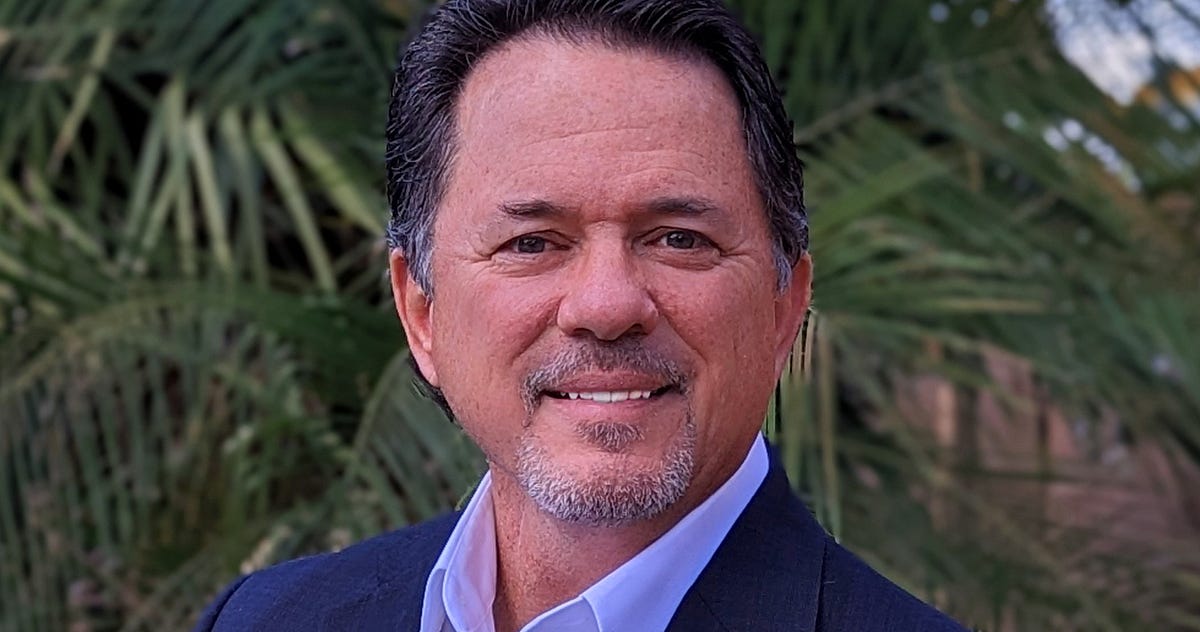
Mike Bolland is the host and producer of the We’re Not Stumped podcast, where he shares powerful stories from the limb loss and disability communities. Born without a right hand, he brings a unique perspective shaped by resilience, humor, and decades of personal and professional experience. Mike is also the founder of One Hand Man Productions and the creator of Enable Review, a platform dedicated to helping amputees make informed decisions about their care.
Thank you so much for joining us in this interview series! Can you tell us a story about what brought you to this specific career path?
For me, this didn’t start as a “career path” — it started as a lived experience.
I don’t have a right hand, so navigating prosthetics and adaptive tools has been part of my life for as long as I can remember. Over time, I learned how much of that journey is trial and error — figuring out what works, who to trust, and how to advocate for yourself. Then, through hosting the We’re Not Stumped podcast and talking with hundreds of people in the limb loss community, I kept hearing the same thing: experiences with prosthetic care varied dramatically. Some people had life-changing, positive support… and others felt completely lost, especially early on.
What really stuck with me was this — when someone is brand new to limb loss, they’re often in a hospital bed or just trying to process everything. They’re expected to make important decisions about their care, but they don’t even know what questions to ask.
At the same time, if you look at reviews online, they don’t reflect what actually matters to someone who wears a prosthetic. You might see comments like “great office” or “long wait times,” but nothing about fit, comfort, communication, or long-term support.
That gap is what led me to create Enable Review.
Can you share the most interesting story that happened to you since you began leading your company or organization?
One of the most interesting — and honestly validating — moments happened very early on, when Enable Review only had a handful of reviews.
I reached out to people in the limb loss community, including past podcast guests, just asking for honest feedback. One person left a review and then followed up with a message that stuck with me. They said something along the lines of, “I wish this existed when I first lost my limb — I had no idea what I was doing or who to trust.”
That hit hard.
Because this is for everyone — the person ten years into their journey and the person who’s brand new, overwhelmed, and trying to make life-changing decisions without any real context.
Another moment that stood out was posting about Enable Review in amputee communities. I expected people to be cautious — and some were — but what I didn’t expect was how quickly the conversation turned into people sharing their experiences openly. Not just complaints, but thoughtful, balanced perspectives about what good care actually looks like.
It showed me two things: first, that this need is real, and second, that while people can share their experiences in different places, there isn’t a space that organizes those insights from the prosthetic user’s perspective.
That’s when it stopped feeling like an idea and started feeling like something that could truly make a difference.
It has been said that our mistakes can be our greatest teachers. Can you share a story about the funniest mistake you made when you were first starting? Can you tell us what lesson you learned from that?
One of the funniest — and most humbling — mistakes I made early on with Enable Review was realizing that I initially forgot to include specific considerations for people with upper limb loss.
Which is ironic… because I don’t have a right hand!
I was so focused on the journeys I’d been hearing through my podcast — many of which centered around lower limb — that I unintentionally built the early version of the platform with that lens in mind. It wasn’t intentional at all, but it was a blind spot.
The moment I caught it, I kind of laughed at myself. How do you build something for the limb loss community and overlook your own lived experience?
But it turned into a really important lesson.
It reminded me that even when you’re part of a community, you can’t assume your perspective — or even the most common stories you hear — represent everyone. You have to be intentional about including all experiences.
That realization led me to create an Advisory Board made up of people with all different types of limb loss, so the platform is shaped by a range of real perspectives — not just my own.
That mistake actually made Enable Review better. It pushed me to step back, broaden the categories, and make sure it reflects the full spectrum of limb loss — even my own!
Can you describe how you or your organization is making a significant social impact?
At its core, Enable Review is about giving people access to something they’ve never really had before — real, experience-based insight from others who actually wear prosthetics. There currently isn’t another platform focused specifically on capturing and organizing this kind of feedback from the prosthetic user’s perspective.
For many people, limb loss isn’t something they’ve been around before — it’s something they’re suddenly part of. Overnight, they go from knowing no one in the community to having to make critical decisions about their care without fully understanding what to look for or what questions to ask.
At the same time, most existing review platforms don’t capture what truly matters — things like fit, function, communication, and long-term support.
Enable Review changes that by creating a space where amputees can share structured, meaningful feedback based on their lived experiences. It turns individual stories into collective knowledge that others can learn from.
The impact is twofold. First, it helps individuals — whether they’re new to limb loss or have had long-standing provider relationships but aren’t getting the care they need — feel less alone and more confident in their decisions. Second, it creates a feedback loop that can elevate the quality of care across the industry by highlighting what’s working and where improvements are needed.
Ultimately, it’s about shifting power back to the patient voice and building a stronger, more informed community.
Can you tell us a story about a particular individual who was impacted or helped by your cause?
One moment that stood out to me wasn’t about a brand-new amputee — it was someone who had been in their journey for years.
After seeing Enable Review, they told me they had always just assumed their experience with their provider was “normal.” They had been going to the same place for a long time, but something never quite felt right — they just didn’t have anything to compare it to.
As they started reading and thinking about what others were sharing — things like communication, follow-up care, and how involved they felt in their own treatment — it gave them a new perspective. For the first time, they started asking better questions and thinking more critically about the care they were receiving.
That was powerful to me.
Because the impact isn’t just for someone brand new — it’s also for people who have been navigating this for years and may not realize they have options, or that their experience could be better.
Sometimes the biggest shift isn’t immediate action — it’s awareness. And once someone has that, it can completely change how they advocate for themselves moving forward.
Are there three things the community/society/politicians can do to help you address the root of the problem you are trying to solve?
I think it comes down to three key things.
First, we need to elevate the patient voice. People living with limb loss should have an active role in shaping their care. That means encouraging feedback, listening to lived experiences, and recognizing that outcomes aren’t just clinical — they’re deeply personal and functional.
Second, we need better access to real, experience-based information. Right now, people are often making life-changing decisions without context. Supporting platforms and initiatives that organize and share patient experiences in a meaningful way can help individuals make more informed choices.
And third, we need to normalize transparency in care. In most industries, feedback and reviews are expected — they help raise standards. Healthcare, especially prosthetic care, hasn’t fully embraced that yet. Creating a culture where feedback is welcomed and used to improve — not feared — can lead to better outcomes for everyone.
At the end of the day, this isn’t about criticism — it’s about collaboration and highlighting the great people in the field who are making a real difference. When patients, providers, and communities are all part of the conversation, the entire system gets stronger.
How do you define “Leadership”? Can you explain what you mean or give an example?
For me, leadership isn’t about telling people what to do — it’s about giving them something to be part of.
Most people don’t respond well to being told, “Do this” or “Fix that.” What they do respond to is feeling like they’re contributing to something bigger than themselves, where their ideas and effort actually matter.
I’ve always tried to lead from that mindset. Instead of saying something like, “This functionality isn’t good — go fix it,” I approach it more like, “I think this is heading in the right direction, and I believe you can take it even further. Can you take another look and see how we can improve it?”
It’s a small shift in language, but it creates a completely different outcome. One approach shuts people down; the other invites them in.
To me, leadership is about creating an environment where people feel motivated, trusted, and inspired to contribute — not because they have to, but because they want to.

What are your “5 things I wish someone told me when I first started” and why. Please share a story or example for each.
1. Everything takes longer than you think.
No matter how much experience I’ve had, I still fall into the trap of wanting instant gratification. With Enable Review, I thought, “Once this is live, people will start using it right away.” But building trust, getting real reviews, and growing a community takes time. The lesson for me was patience — real impact compounds, but it doesn’t happen overnight.
2. You’re not building it for yourself — you’re building it with others.
Early on, I made decisions based on what I thought made sense. Then I realized the platform needed to reflect a wide range of experiences. That’s what led to creating an Advisory Board made up of people with different types of limb loss. It made the platform stronger and more representative.
3. Start before it feels perfect.
There were plenty of things I wanted to refine before putting Enable Review out into the world. But if I had waited until everything was “just right,” I’d still be waiting. Getting it in front of real people early led to better feedback and faster improvement than trying to perfect it in isolation.
4. Clarity matters more than complexity.
In the beginning, I had a tendency to over-explain the idea. But I learned quickly that if people don’t understand it right away, they won’t engage. Simplifying the message — “real prosthetic reviews by people who wear them” — made a huge difference in how people responded.
5. People want to help — you just have to invite them.
One of the biggest surprises was how willing people were to contribute once they understood the purpose. Whether it was leaving a review, giving feedback, or sharing the idea, people stepped up. The key was simply asking and making it easy for them to be part of something meaningful.
Can you please give us your favorite “Life Lesson Quote”? Can you share how that was relevant to you in your life?
One of my favorite life lesson quotes is from Benjamin Franklin:
“Hide not your talents, they for use were made. What’s a sun-dial in the shade?”
To me, that quote is a reminder that whatever abilities, experiences, or perspectives we have — they’re meant to be shared, not kept to ourselves.
I’ve seen time and time again that the things people might overlook about themselves are often the exact things that can help someone else. A perspective, a story, or even a small piece of insight can make a real difference when it’s shared.
I think that applies to humanity as a whole. Everyone has something valuable to offer — but too often, people hold back or don’t realize the value of what they have. That quote is a reminder to step forward, share it, and use it — because it’s not meant to sit in the shade.
Is there a person in the world, or in the US with whom you would like to have a private breakfast or lunch with, and why? He or she might just see this, especially if we tag them. 🙂
If I could have a private breakfast or lunch with anyone, it would be Larry Holmes.
What I respect about Mr. Holmes isn’t just that he was a heavyweight champion — it’s how intelligent he is both in and out of the ring. He never relied solely on power; he understood the sport, adapted, and fought strategically. He also made smart decisions outside the ring, investing well and building a great life. His level of awareness and discipline really stands out.
He competed in an era with big personalities like Ali and Tyson and sometimes didn’t get the recognition he deserved, but he stayed consistent, focused, and true to himself. I’d love to sit down with him and talk about resilience, longevity, and what it takes to stay mentally sharp when you’re not always in the spotlight. There’s something powerful about people who just keep showing up, doing the work, and building a legacy over time. I think there’s a lot to learn from that mindset — especially in building something from the ground up.
You are a person of enormous influence. If you could inspire a movement that would bring the most amount of good to the most amount of people, what would that be? You never know what your idea can trigger. 🙂
If I could inspire a movement, it would be a “Use What You Have” movement.
Too often, people focus on what they don’t have — whether it’s resources, experience, or ability — and it holds them back. But I’ve learned that progress usually comes from using what’s already in front of you.
For me, that’s personal. I don’t have a right hand, but I’ve spent my life figuring out how to use what I do have — and that mindset carries into everything I do.
I think the same applies to everyone. People have more to offer than they realize — whether it’s their perspective, their story, or their skills. But those things don’t create value unless they’re actually used and shared. If more people focused on using what they have, instead of waiting for perfect conditions, we’d see more innovation, more connection, and more people stepping into things they didn’t think were possible.
Because at the end of the day, it’s not about what you’re missing — it’s about what you do with what you’ve got.
How can our readers further follow your work online?
Personal site: https://mikebolland.com/
Enable Review: https://enablereview.com/
We’re Not Stumped: https://werenotstumped.com/
This was very meaningful, thank you so much. We wish you only continued success in your great work!