


I don’t believe I’m an expert at anything, but I believe there’s power in visibility. Sometimes support simply looks like showing that survival and growth are possible, even when the path forward isn’t clear yet.
Trauma can arrive dressed in many different circumstances. You may be the victim of a criminal act. Your house may be destroyed by fire, flood or tornado. You may be fired from a job you loved. An illness or accident may change what you physically can do. Someone you dearly love may reject you or die. Even good things require us to explore a different version of who we are. We fall in love, marry, have a child, start a new career. No one gets through life without a trauma or two changing the trajectory of your future. At those junctures in life, we have to reimagine who we are now. What changes must I make in order to live the life I now have? Today I have the privilege of interviewing Renity Love.
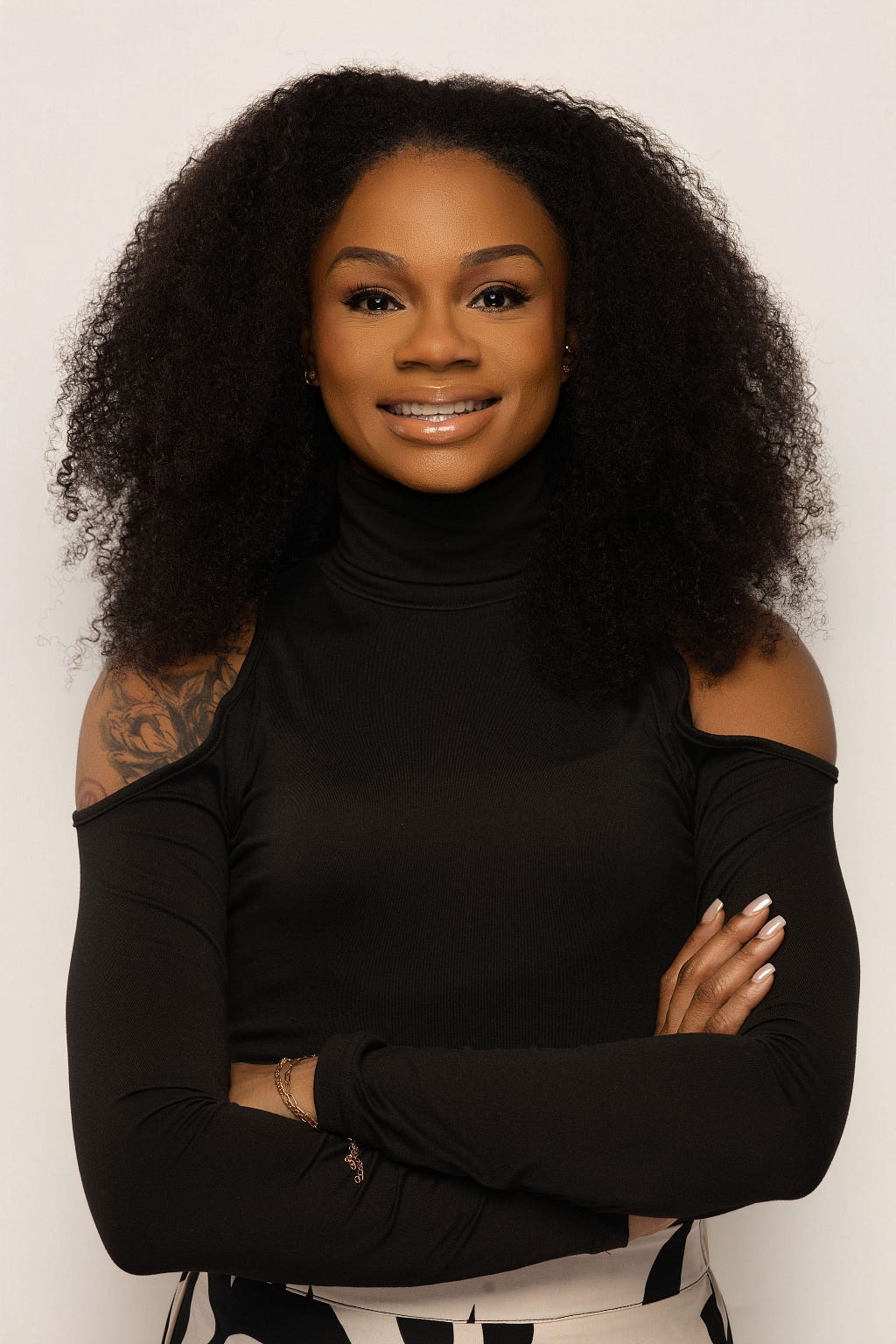
Renity Love is a U.S. Army veteran, entrepreneur, and digital creator from Houston, Texas who has built a multifaceted personal brand rooted in resilience, authenticity, and reinvention. After navigating personal trauma and extreme life changes, Renity chose to redefine success on her own terms — molding creativity, business, and advocacy all into one. Through multiple platforms, she speaks openly about healing, self-worth, and rebuilding life after the military, using her voice to empower others who are learning how to start over without losing themselves and gain the confidence they need.
Thank you so much for joining us in this interview series! Before we dive in, our readers would love to “get to know you” better. Please describe who you were before circumstances required you to change.
Before everything shifted, I was someone who followed structure because it felt safe and that is how the military is designed. I did what was expected of me, even when it didn’t fully align with who I wanted to be. I valued stability and discipline because these were things that I lacked growing up. For a while it felt necessary. I didn’t realize at the time that I was in survivor mode. I knew how to endure and follow instructions, but I hadn’t learned yet how to choose myself or decide what was best for me.
Was the life change something you chose? Or was it thrust on you unexpectedly, as a surprise? Please explain in detail.
I would say a little of both. Certain events were unexpected and painful, and they forced me to stop pretending I was okay, forced to go to the military. But the real change came when I made the decision not to stay stuck in what happened to me. Healing and moving forward was the real change that I chose. Trauma may have opened the door, but choosing to rebuild my life differently was intentional.
What were your initial feelings about this change in circumstances? Give a few examples.
At first, I felt overwhelmed and disconnected from myself. I could not find out if it was right for me. Change is so unfamiliar. There was fear, grief, and a lot of questioning. I also felt anger, not just about what happened, but about how long I had ignored my own needs, placing the feelings of others above my own for years at a time. Eventually, those feelings shifted into clarity and I gained focus. Once I allowed myself to sit with the discomfort instead of rushing past it, I started to see that this change, as painful as it was, created space for growth.
How long did it take to see how you could survive or thrive in your new circumstances?
I am built off of survival, so of course that came first and that happened fairly quickly. The thrive took longer. It wasn’t a straight line, and it definitely didn’t happen overnight. I would say it took a few years before I truly felt grounded again — before I trusted myself to make decisions based on alignment instead of fear. Growth showed up quietly at first and I am still continuing to find that path as each day goes on.
What are five important choices you made that helped you adjust to the change in your life?
- I started to feel the pain and adjustments that I was begging to be removed from me. Understanding that pain is not always bad. It is needed for growth.
- I invested in myself. Starting with my independence and later pulling together everything — emotionally, financially, and mentally.
- I started to focus more on the people and things I wanted around me. Channeling out things that did not belong and placing things that would help me grow.
- I stopped distracting myself from the discomfort I faced. Sitting in that discomfort helped me make better decisions in the long run.
- I gave myself permission to redefine success in a way that felt honest and real to me.
Have you been able to flourish in your new circumstances?
Yes, I have however, flourishing didn’t look the way I thought it would. In the beginning, success meant removal of old habits and simply getting through the day. With time, flourishing became a self building journey. I’ve created a life where my work, my values, and my voice finally match how I feel. I feel more grounded, more self-aware, and more confident in my ability to navigate challenges without losing myself in them, and of course financial stability and the listeners who have embarked this journey with me have shown me how much I’ve flourished.
What do you like or value about the new you that has emerged as a result of these circumstances?
I value my discernment. Discernment is not something I had initially. It was something I learned through growth and substantial change. The new version of me is more intentional. I now value my time, my energy, and the people I allow into my space. I’m no longer afraid to set boundaries or say no when something doesn’t feel right.
If some time has passed, have you found things about the original trauma for which you now feel gratitude?
No. I don’t feel gratitude for the trauma itself, and I don’t believe pain needs to be reframed as a gift in order to be meaningful. I had to grow and understand things at a very early age that I do not believe anything great came from. I do not think that my original trauma deserves any type of gratitude however, I believe the growth from it does.
What are the best outcomes that are a direct result of the personal growth that was forced from you as a result of this trauma? Describe.
The most meaningful outcome has been trusting in myself. I no longer allow on external validation to measure my worth or success, I know how far I’ve come and that matters the most. I’ve learned how to stand on my own decisions regardless of influence around me and honor my intuition. Professionally, this growth allowed me to build a career rooted in authenticity rather than fear. Personally, it has given me peace — knowing that even if life shifts again, I have the tools to rebuild without losing myself.
Was any particular person, or book instrumental in helping you formulate who the new you could be following this trauma?
Yes. Truth be told, my faith in God became a steady source of grounding and direction during my healing process. It gave me something to lean on when clarity felt distant and reminded me that my life still had purpose, even in moments of uncertainty. God’s word strengthen me every way he could allowing Him to be a shoulder I could lean on when I felt I had no one else. Alongside that, the words of Maya Angelou resonated deeply with me. Her writing about resilience, self-worth, and becoming offered language for emotions I hadn’t yet learned how to name, and helped me understand that strength can exist alongside vulnerability. She speaks in a very natural way that I would always encourage me to keep one foot in front of the other.
Have there been opportunities to encourage or support others who are going through similar traumas? Please describe.
Yes. Through sharing my story openly, I’ve had many people reach out who saw pieces of themselves in my experience. Those same people not understanding how to get out of the situations they find themselves in, similar to me. Those conversations have often been quiet and personal. Those same telling me that speaking out for myself and for others about healing, rebuilding, and learning how to choose themselves again pushed them to do the same. I don’t believe I’m an expert at anything, but I believe there’s power in visibility. Sometimes support simply looks like showing that survival and growth are possible, even when the path forward isn’t clear yet.
Is there any particular person with whom you’d love to share a meal or a conversation about the lessons learned through trauma?
I would want that conversation with anyone who has been through — or is still navigating — the kind of trauma I experienced. These people I feel need the conversation the most. The ones who don’t know where to go or what their next step should be. I believe listening to someone who has an understanding of their trauma will allow them to know that there is more out there and I would love to be the one who is helping them navigate those emotions and create something bigger for themselves.
I am so grateful you’ve been able to share this experience. It is truly inspiring!
Renity Love and Renity Love Media On Strategies for Rebuilding Life After Trauma was originally published in Authority Magazine on Medium, where people are continuing the conversation by highlighting and responding to this story.