


Authenticity is not a slogan but a very practical way to build a fulfilling career.
As a part of our series on Leading with Heart: The Power of Authentic Women’s Leadership, we had the pleasure of interviewing Emily Heinrich, CPA — BDO Canada.
Emily is a partner in BDO Canada’s U.S. Corporate Tax Practice with almost 20 years of experience specializing in U.S. and cross-border tax issues. Emily’s focus areas include accounting for income taxes under U.S. GAAP and IFRS; identification of tax opportunities and exposures; and providing comprehensive U.S. and cross-border tax advice and compliance services to a wide range of companies in various industries and stages of expansion. Emily is now a proud Canadian and Vancouverite, but she originally grew up in Florida and spent the first 11 years of her career living and working in the U.S. Emily is a people leader, recognized for her excellence in mentorship and coaching and is the Pillar Lead of BDO’s Pride Pillar. She cares deeply about fostering kindness and consideration for each other and the environment and currently volunteers her time with the Sierra Club Canada Foundation. Emily previously volunteered her time with Pride at Work Canada and the Oregon Society of CPAs.
Thank you so much for joining us in this interview series. Before we dive into our discussion about authentic, feminine leadership, our readers would love to “get to know you” a bit better. Can you share with us the backstory about what brought you to your specific career path?
When I moved to Vancouver from the U.S., I expected to step neatly into the next chapter of my career, yet I quickly realized that my experience did not map perfectly to the roles I was exploring in Canada, and that gap tempted me to shape‑shift into what I thought employers wanted. Trying to operate as a version of myself that did not feel true left me frustrated, because when feedback came in on work that did not align with my instincts, I felt a sense of disappointment and disconnection from not showing up in a way that reflected my values. That period became a turning point, because I sat with some hard questions about what I wanted for my career and how I wanted to lead, and I began to follow my own moral compass. As I started sharing more authentically at work and on LinkedIn, my now‑leader reached out and invited a conversation, and I decided to show up exactly as myself. That openness resonated, and over the last few years at BDO I have experienced a level of support and momentum that I had only imagined, which reinforced for me that authenticity is not a slogan but a very practical way to build a fulfilling career.
Can you share the most interesting story that happened to you since you started your career?
Early in my career, I worked closely with someone who seemed destined to become a partner, although there were a few inconsistencies in how they showed up that I could not quite explain. During the firm’s partner admission process, those concerns were confirmed when it emerged that the credentials they had presented were not real, which led to very difficult consequences for them and ripple effects for many others. It was a hard lesson that strengthened my trust in my own intuition, since I had felt that something was off but had second‑guessed myself, and it continues to remind me that integrity is not theoretical for leaders because it shapes the trust of every person around us.
What do you think makes your company stand out? Can you share a story?
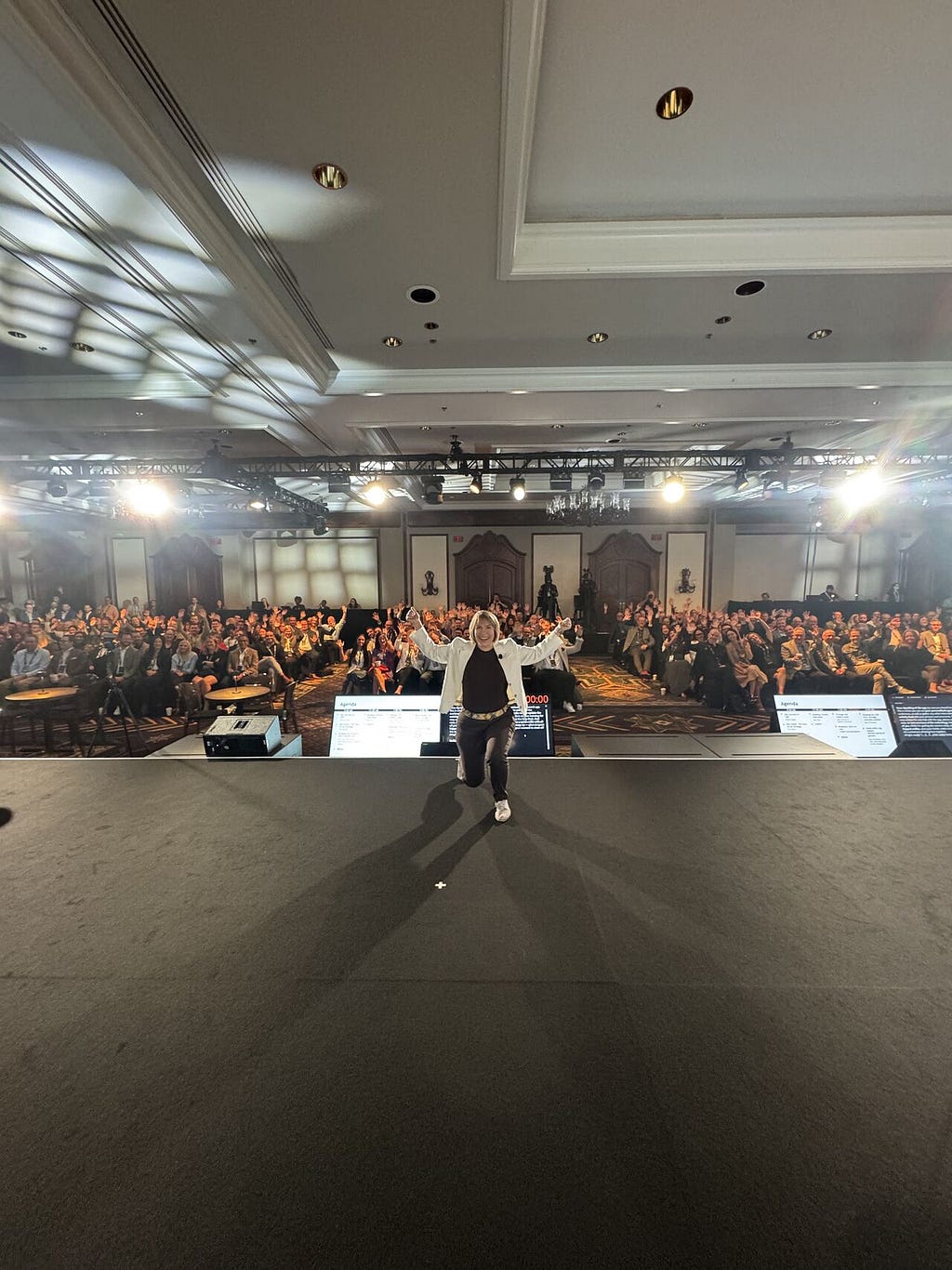
What feels different at BDO is the way people use judgment and humanity in how we work together, which has created a supportive culture that celebrates one another’s success in very real ways. A recent example is when I emceed our partner conference in front of hundreds of colleagues, which was both exhilarating and nerve‑wracking, and in the days that followed, I was met with so many encouraging notes and conversations that I felt genuinely buoyed by the firm’s spirit of generosity. I have worked in environments where people hesitated to say what they really thought, and the contrast here matters because people are at their best when they feel safe to be themselves.
You are a successful business leader. Which three character traits do you think were most instrumental to your success? Can you please share a story or example for each?
The first is resilience, since any meaningful path will include setbacks, and the ability to keep moving toward the future you care about and are proud of is, in my experience, the difference between stalling and growing. The second is authenticity, because when I show care and curiosity for others in a way that is sincere, it builds trust and opens stronger relationships, which in turn creates opportunities to do work that fits my strengths. The third is a builder’s mindset, a steady drive to create teams and spaces where people support each other, which keeps me focused on the kind of impact I want to have beyond individual projects.
Leadership often entails making difficult decisions or hard choices between two apparently good paths. Can you share a story with us about a hard decision or choice you had to make as a leader? I’m curious to understand how these challenges have shaped your leadership.
Like many leaders, I am fortunate to have more good opportunities than I can take, which means choosing not only what is attractive in the short term but what aligns with the kind of leader I want to be. I have made a conscious decision to center talent and culture in my role, even when that means passing on certain project opportunities that would be exciting, because I know I am at my best when I have the time and energy to develop people and strengthen teams.
Ok, thank you for that. Let’s now jump to the primary focus of our interview. Can you share a personal experience where embracing your unique leadership style, which might not align with traditional expectations, led to a significant positive impact in your organization or team?
When I arrived at BDO as the first woman to join our U.S. Corporate Tax partner group, I chose to show up exactly as myself, with a focus on developing people and building trust, and that choice seemed to give colleagues permission to speak more openly about the pressures they were carrying. Over the first few months, several team members began sharing concerns earlier and asking for coaching when they needed it, which allowed us to adjust workloads more thoughtfully and match people to projects where they could do their best work. None of that happened because of me alone, since our partners and managers were incredibly supportive and leaned in alongside me, and the cumulative effect has been a team culture that feels more human and more honest. I am no longer the only woman partner in the group, and what I value most is that all of us are showing up more fully as ourselves and appreciating the strengths each person brings, which has made the work better and the experience of doing it more meaningful.
In your journey as a leader, how have you balanced demonstrating resilience, often seen as a masculine trait, with showing vulnerability, which is equally powerful, but typically feminine? Can you give an example where this balance created a meaningful difference?
I do not see resilience and vulnerability as opposites, since you often cannot witness resilience unless someone is honest about the challenges they are facing. To me, they go hand in hand. Vulnerability is simply telling the truth about what is happening and how it feels, while still taking the next responsible step, and that combination has helped my teams stay connected to purpose when work gets hard. When leaders model that balance, people give each other more grace and also keep high standards, which is the environment where I think growth happens fastest.
As a woman in leadership, how have you navigated and challenged gender stereotypes, especially in situations where traditional male-dominated approaches are the norm? What strategies have you employed to remain authentic to your style?
As a queer woman, I sometimes encounter assumptions about how I should look or behave, and I try to meet those moments with clarity and self‑advocacy so that I can show up as myself. A small but meaningful example is how I respond to questions about my partner, my kids, my home life, or my interests. I always err on the side of integrity and authenticity, even if it makes the situation a little less comfortable. Those choices may seem minor, yet they communicate something important to others about permission and possibility, and I hope that by being steady about what is authentic for me, I make it a little easier for others to do the same.
How do you utilize emotional intelligence and active listening to create an inclusive environment in your team or organization? Could you share a specific instance where these qualities particularly enhanced team dynamics or performance?
Through BDO’s coaching program, I have learned that one of the most generous things a leader can do is to ask good questions and then really listen, which sounds simple and is surprisingly hard in practice. I try to resist the urge to jump in with answers and instead create space for people to think out loud, because most of us already have a sense of what to do next and we need a calm, non‑judgmental conversation to bring the answers forward. This approach has helped quieter voices contribute more confidently, and it has improved the quality of our decisions because the best ideas are not always the loudest ones.
What role has mentorship played in developing your authentic leadership style, and how do you communicate authentically to inspire and empower both your mentors and mentees?
Mentorship has reinforced for me that almost everyone, regardless of level, carries some uncertainty about whether they are enough, and acknowledging that reality openly helps both mentors and mentees relax into a more honest relationship. When we set aside the pressure to have perfect answers and focus on learning together, trust grows quickly, and that trust is what allows people to take bigger steps in their careers with confidence.
Ok super. Here is the main question of our interview. Based on your experience and research, can you please share “5 Ways Leading Authentically As A Woman Will Affect Your Leadership”? If you can, please share a story or an example for each.
- You become a magnet for the right work
Once I started being very open about what I genuinely enjoy and where I add the most value, the work that fit me began to find me rather than the other way around, and a simple example is how I talk about my love of tax provision work with colleagues and leaders across the firm. That clarity means that when a provision project surfaces, people think of me, they loop me in early, and the quality of the engagement benefits because I am doing something I both like and do well. Being just as honest about the types of projects that are not a great fit has helped too, because when I pass those along to someone who will shine, it frees me to focus on my strengths and it also helps that colleague grow, which creates a healthier funnel of opportunities for everyone. - Trust deepens quickly
Before joining BDO, I did not share much about myself at work, which made it harder for me to trust others and harder for them to really know me, and when I chose to show up more openly, I noticed that relationships warmed almost immediately, because people respond to candour with candour and the conversations become more honest and far more useful. That shift has had very practical effects, since when trust grows, you can name risks earlier, you can discuss trade-offs without defensiveness, and you can make decisions that hold both empathy and standards, which is the kind of environment where I see teams do their best thinking. - People are more open with you
As I have become more transparent about my own learning curve and about the moments that feel challenging, colleagues now bring me information and perspectives they might previously have kept to themselves, and a good example is when team members surface concerns on a project timeline or a client expectation before it becomes a problem, since those early conversations allow us to reset scope, realign roles, or escalate thoughtfully while there is still time to protect the outcome. Being seen as a safe person to talk to has also created quiet opportunities to coach and connect people to resources, which strengthens relationships across the firm in ways that are difficult to engineer any other way. - Sponsors appear
When I began showing up as myself, which included being clear about the work that energizes me and the kind of leader I aspire to be, the first real sponsor in my BDO journey could suddenly see where I would have the most impact, and he started sharing my name in rooms I was not in, which led to visible opportunities. He recommended me for webcasts, media interviews, and various other leadership roles and opportunities — he encouraged me to follow my passion and intuition. Each of those moments created the next one, so over time other sponsors and supporters also stepped forward and the momentum built in a way that felt both organic and incredibly encouraging. - Courage compounds
Trust and openness have a snowball quality, because once you take one small risk and it goes well you begin to believe that the next step is possible, and that belief changes your posture in very ordinary moments. For me this has looked like being more willing to reach out to a new colleague, to suggest an idea that might be a stretch, or to put my hand up for something that feels scary, and the pattern I have seen is that each act of courage tends to open a door to another, which in turn expands your confidence and your capacity to take on work that matters.
Are there potential pitfalls or challenges associated with being an empathetic leader? How can these be addressed?
Empathy can be misunderstood as an unwillingness to make hard calls, so I try to be clear about expectations and boundaries from the start, and then hold them consistently while staying human. It is very possible to acknowledge someone’s situation with care and still maintain standards that are fair to the whole team, and keeping equity in view helps me make balanced decisions in difficult moments.
You are a person of great influence. If you could start a movement that would bring the most amount of good to the most amount of people, what would that be? You never know what your idea can trigger. 🙂
I would love to see a movement that helps people move from fear and scarcity toward love and abundance, since so many social and environmental challenges are amplified when we feel there is not enough to go around. I have seen through my volunteer work with Sierra Club Canada that when people believe there is a way forward together, they collaborate in ways that surprise even themselves, and that belief changes what becomes possible in our communities.
How can our readers further follow you online?
LinkedIn: https://www.linkedin.com/in/emheinrich/?originalSubdomain=ca
BDO Canada LinkedIn: https://www.linkedin.com/company/bdo-canada/
Thank you so much for sharing your insights and time with us today.
Leading with Heart: Emily Heinrich Of BDO Canada On The Power of Authentic Women’s Leadership was originally published in Authority Magazine on Medium, where people are continuing the conversation by highlighting and responding to this story.