


Fashion can look incredibly glamorous from the outside, but I realized none of that means much if we don’t look after the people behind it who make the entire industry possible.
As ‘slow fashion’ grows in popularity, more fashion companies are jumping on the bandwagon. Renewable consumption has been gaining popularity for a while, as people recognize its importance, and many fashion companies want to be a part of this change. In this interview series, we are talking to business leaders in the fashion industry to discuss why they are embracing slow fashion and renewable consumption. As a part of this series, I had the distinct pleasure of interviewing Nathan Yun.
Nathan Yun is the co-founder and CEO of Paire, a Melbourne-based brand that designs everyday essentials around fabrics it develops itself. He started the company with longtime friend Rex Zhang in 2020, and he leads brand, marketing and technology while Rex runs product and manufacturing. Under Nathan, Paire has grown to more than 300,000 customers and has now launched in the US.
Thank you so much for joining us in this interview series! To start, can you share a bit about your early background and how it influenced your journey into slow fashion?
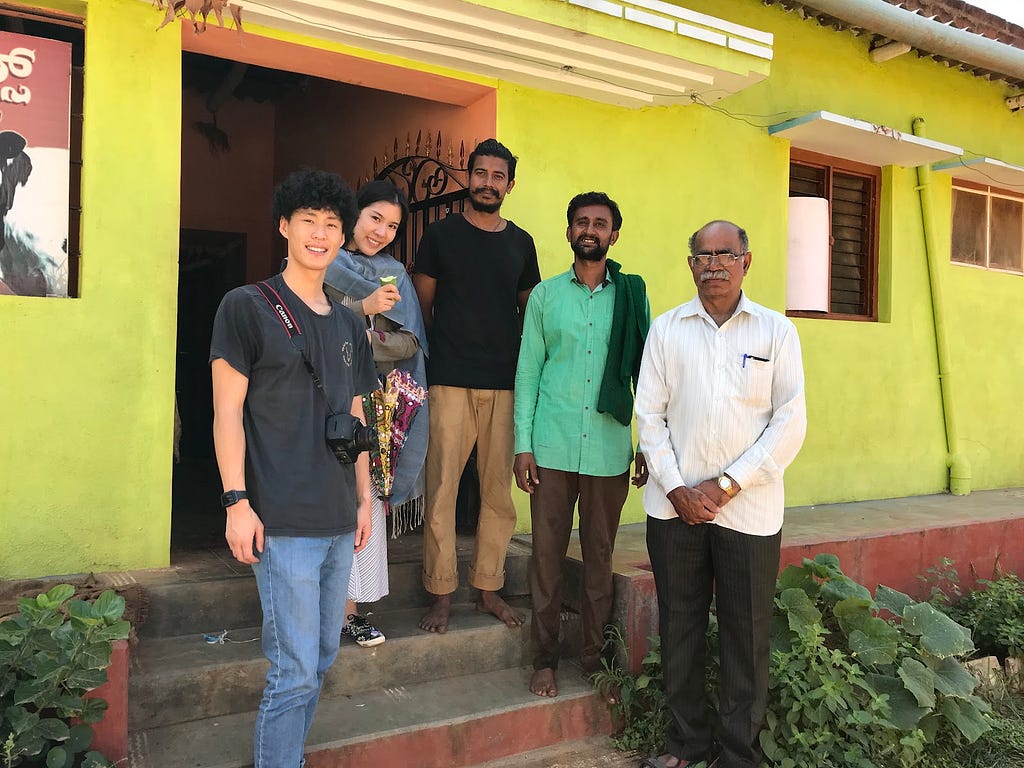
I was born and raised in Sydney and studied film at the University of Melbourne. That’s also where I met my Co-Founder Rex. We were teammates in debate club and became best friends pretty quickly. My first job out of school was as a junior production assistant for Jackie Chan, working between Hong Kong and Beijing. That job taught me something useful early; that I didn’t want to work in film. Turning a hobby into a job took the magic out of it for me. Back in Melbourne, Rex and I tried our first business together, a small T-shirt label, and it didn’t work. So we went off and got “real jobs”. Rex became the top BMW salesperson in Australia, and I joined a startup as a content creator and grew with it from 10 people to 100, eventually running marketing. In 2019, we teamed up again on a second business, filming interviews with artists and selling their merch. It broke even but never took off. One of those shoots took me to India with an artist whose work focused on labor rights and supply chains. Seeing the conditions for garment workers and farmers firsthand changed how I thought about clothing. Paire was our third try, and the first one built around fabric first.
What inspired you to pursue a career in slow fashion, and can you share the story behind your decision?
There are two things that I can pinpoint that led to the creation of Paire and my interest in the world of fashion. As I previously mentioned, that research trip to India, where I saw the human and environmental cost of fast fashion up close. It’s one thing to read about it and another to be surrounded by it firsthand. Shortly after that trip the COVID-19 pandemic hit. I was stuck in Melbourne during the lockdowns, doing what everyone did, taking daily walks and I was sick of socks that were sweaty, smelly and uncomfortable by lunchtime. Together those left Rex and me with one question: could the clothes you wear every day feel better on the body and do less harm to the planet? It took a lot of trial and error to answer it, including three failed batches, before we landed on Supreme CoolBlend, a blend of Merino wool and organic cotton. We launched with three sock styles in 2020, packing orders and filming content in Rex’s garage.
Who is your fashion hero or heroine, and why do they inspire you?
I don’t really have a fashion hero in the traditional sense. I came into fashion from the creative industry, so I’ve never been particularly interested in designers, trends or fashion for the sake of fashion.
I’m much more inspired by people who rethink how things are made. People who look at a product everyone has accepted for decades and ask whether the materials, function or experience could actually be better.
In that sense, Steve Jobs is probably one of my heroes. I’ve always admired the way he approached products by questioning things people had simply learned to accept, then using technology and design to make them better and simpler to use. That way of thinking has probably influenced how we’ve built Paire more than any single fashion designer.
What’s the most intriguing or memorable experience you’ve had since starting your career in slow fashion?
Probably the research trip I took to India, which is really what started my career in this space. It was the first time I properly saw what sits behind the fashion supply chain. I met cotton farmers earning around $4 a day, and saw firsthand how pesticide use was affecting their lives and livelihoods. I learned much more about labor exploitation, environmental damage and pressure on the people at the very beginning of the industry.
Fashion can look incredibly glamorous from the outside, but I realized none of that means much if we don’t look after the people behind it who make the entire industry possible.
I came back thinking that asking consumers to care more was never going to be enough. People were still going to buy clothes, so the products themselves had to be better. More useful, more comfortable, made to last longer, and made in a way that does less harm. That thinking eventually led to Paire.
As a successful leader in the industry, which three character traits have been key to your success? Can you provide a story or example for each?
Persistence. Paire isn’t my first business. Before this, Rex and I had three businesses that didn’t work out, and even our first fabric took three failed batches before we got it right. Each setback taught us something that shaped the company we’re building today. If we had given up at any of those points, Paire wouldn’t exist.
Curiosity. Paire started with a simple question: why do the everyday essentials we wear feel uncomfortable and often come with such a high environmental cost? That question still drives how we approach product development today. We start with the material, explore what a fabric can do, how it feels, and where we can create a better experience for the customer.
Humility. I came from marketing and the creative industry, not textiles, so I’ve always had to learn from people with more experience than me. That started with Rex and his family’s decades of knowledge in the industry, and it continues through our customers. Some of our best product improvements and innovations have come directly from listening to their feedback and understanding how they actually use our products.
How does your company embody and implement the principles of slow fashion, and what motivated you to adopt this approach?
We think of Paire as a fabric technology company first. Whenever we enter a new category, we start by looking at the challenges with the products people already own and finding a better solution. Wool sweaters can be warm but uncomfortable, so we blended Merino with silk to create a knit that feels softer while maintaining the benefits of wool. T-shirts can trap sweat and odor, so we combined wool with eucalyptus fibers to create a fabric that is lightweight, breathable, and comfortable for everyday wear. We apply that same approach to every product we create.
That philosophy also shapes how we think about growth. Many of our products take years to develop, including our BioFlex activewear, because we prioritize quality over speed. Rather than releasing constant seasonal drops, we focus on creating fewer, better products that customers can wear and rely on for years. To us, that’s what slow fashion should be: being intentional about what you make and creating pieces that are built to last.
What measures does your company take to ensure the sustainability and ethical integrity of your supply chain and production processes?
At Paire, we look at sustainability across the whole product, from where the raw materials come from and how they are processed, to the people making them and how long the finished product will last. We visit farms and factories ourselves, work closely with our production partners, and develop many of our own fabrics rather than simply relying on what is available in the market.
Bamboo is a good example. After visiting major bamboo farms and fabric factories in Asia, we found that despite its sustainable reputation, the industry can be heavily under-regulated, and processing bamboo into viscose can use significant amounts of water and harsh chemicals.
That experience reinforced how we approach materials generally. We focus on natural, recycled and lower-impact materials, responsible production, and products designed to last. Sometimes being responsible also means deciding not to use a material, even when it sounds sustainable on paper.
Can you tell us about the materials you use in your products and how you ensure they are sourced sustainably?
Every product starts with the fabric. That’s where Rex and I have always spent the most time because it’s what determines how a product feels, performs, and lasts. Our original fabric, Supreme CoolBlend, blends Merino wool and organic cotton at the fiber level, so it’s naturally temperature regulating, moisture wicking, and odor resistant. We also created BreezeBlend, which combines Merino with TENCEL™ from eucalyptus for an even lighter feel, NudeTech for our seamless essentials, and BioFlex for activewear, which is made with 50% recycled corn waste. We spend a lot of time getting the materials right because if the fabric doesn’t perform, nothing else really matters.
Could you share some examples of how your company’s practices have benefited local communities or the environment?
A lot of our impact comes through material innovation and the farming communities behind it. BioFlex turns corn-stalk waste into a useful fiber, reducing reliance on conventional nylon while giving agricultural waste another use instead of being burned and contributing to local air pollution. ReBrew does something similar with spent coffee grounds that would otherwise be discarded.
We source Merino wool from farms across Victoria and New South Wales, supporting Australian wool growers. We also use organic cotton grown without synthetic pesticides, which reduces chemical exposure for cotton farmers and the surrounding environment.
We also repurpose CoolBlend production offcuts and seconds into accessories rather than sending them to waste.
For us, the best material decisions are the ones that can improve the product, reduce environmental impact and support the people at the beginning of the supply chain all at the same time.
What initiatives are you undertaking to educate consumers about the significance of slow fashion and sustainable consumption?
I actually have a slightly different view on education. I don’t think the biggest problem is that consumers have never heard about sustainability. Most people already know fast fashion creates environmental and labor problems. Knowing something and changing your behavior are very different things.
So we do educate people about materials and production. We have written about the real cost behind very cheap clothing, talked openly about greenwashing, explained why materials such as bamboo are more complicated than the marketing suggests, and tried to make fabric technology understandable rather than hiding it behind vague sustainability language.
But I think experience is more powerful than a lecture. Early on, one of our main strategies was simply letting people try our socks for free. Once someone feels the difference, keeps wearing them and comes back to buy more, their idea of what an everyday product should be starts to change.
That is still how I think about sustainable consumption. The better choice has to actually be better.
What are three essential things everyone should understand about slow fashion?
- Quality matters more than quantity. Slow fashion isn’t about making fewer products just for the sake of it. It’s about being more intentional about what you create and making sure every piece serves a purpose. The goal should be to make products that people genuinely love wearing, not something they’ll replace after a few months. We believe the best products are the ones that become part of someone’s everyday routine because they perform well, feel great, and are built to last.
- The materials are just as important as the design. A lot of fashion starts with the look of a product, but we believe the experience starts with the fabric. The right material determines how something feels against your skin, how it performs throughout the day, and how long it will last. That’s why we spend so much time developing our own fabrics and understanding what each material can do before we ever move into design. For us, innovation starts at the fiber level.
- Better products change how people consume. Slow fashion is ultimately about creating a different relationship with the things we own. When a product is made well and becomes something you rely on, you naturally buy less and keep it longer. We’re not trying to create more noise or encourage people to constantly chase the next trend. We want to create pieces that earn their place in someone’s wardrobe and continue to be worn for years.
What are the “5 Key Elements to Leading a Successful Slow Fashion Brand”? Please provide a story or example for each.
1. Start with the fabric, not the fashion. Before we ever designed our first sock, Rex and I spent almost a year getting the fabric right. We tested Merino and organic cotton blends over and over because we knew if the material wasn’t great, nothing else would be. When you start with the fabric instead of the design, you end up with a product people actually want to wear.
2. Make things people keep reaching for. Our GlowTint Bra didn’t have a huge marketing push. It sold out in a matter of weeks through word of mouth, and we’ve restocked it five times in six months. People don’t stick with slow fashion just because it’s better for the planet. They stick with it because it feels good, fits into their everyday life, and becomes the piece they reach for over and over.
3. Don’t rush a launch. Our BioFlex activewear took nearly two years to develop. That’s a long time in apparel, but we’d rather spend the extra time getting something right than put out something people stop wearing after a few months.
4. Build for the second purchase, not just the first. We’ve grown to more than 300,000 customers, and a lot of that has come from repeat customers telling their friends. One story I’ll never forget is a customer in his 60s who wore our socks while running the Everest Marathon. When people trust your products enough for moments like that, they’re your best advocates.
5. Grow as the product grows. We spent six years building Paire in Australia before expanding to the U.S. this August. Could we have moved faster? Probably. But we’ve always believed it’s better to scale when the product and the team are truly ready than rush growth and compromise on quality.
Do you have a favorite quote that has influenced your life? Can you share a story that illustrates its relevance to you?
One of my favorite quotes, popularized by Steve Jobs, is: “Stay hungry. Stay foolish.”
What I take from it is to never become too comfortable with what you already know. There is always more to learn, and often the most useful ideas come from staying curious enough to question assumptions or try something you do not fully understand yet.
Building Paire has forced me to learn about materials science, product development, growth, retail, data, operations and plenty of things I knew very little about when we started.
I think the moment you believe you have figured everything out is when you stop improving. So I try to stay hungry enough to keep learning, and foolish enough to keep trying things before I know exactly how they will turn out.
With your considerable influence, if you could start a movement to make a significant positive impact, what would it be?
I would like to make responsible materials the default across the fashion industry.
Right now, a big part of the problem is scale. Sustainable materials are often more expensive because relatively few brands use them, and that higher cost then gives brands another reason not to use them. It becomes a cycle that keeps better materials expensive and relatively niche.
That is why I would want the biggest brands in the world to move first. If they shifted even a meaningful percentage of their production towards more responsible materials, the immediate environmental impact would already be significant. More importantly, the extra demand would help bring costs down, improve the supply chain and make those sustainable materials much easier for the rest of the industry to adopt.
I have always believed you have to fight consumerism with consumerism. People are going to keep buying clothes, so the bigger opportunity is to change what those clothes are made from and how they are produced.
I would love to see an industry where sustainable materials are no longer a premium or niche choice. They are simply the standard.
How can our readers stay updated with your work online?
Readers can stay updated through Paire’s website, paire.com, and Instagram @paire, where we share new product launches, behind-the-scenes looks at our materials and development process, and stories from our community. I also share updates and lessons from building Paire through my LinkedIn, where I talk about the journey of creating a brand from the ground up and the ideas shaping what we’re building next.
Thank you for sharing these fantastic insights. We appreciate your time and wish you continued success.
Slow Fashion: Nathan Yun Of Paire On Why They Are Embracing Slow Fashion and Renewable Consumption was originally published in Authority Magazine on Medium, where people are continuing the conversation by highlighting and responding to this story.