

Chosen Families: Cheri Bergeron Of Cheri’s Choice On Why Adoption and Foster Parenting Matter More Than Ever
Even though she was no longer with us, I know the love wasn’t wasted. It taught me that sometimes our stories are stepping stones for other people’s victories.
As a part of this series, we had the pleasure to interview Cheri Bergeron.
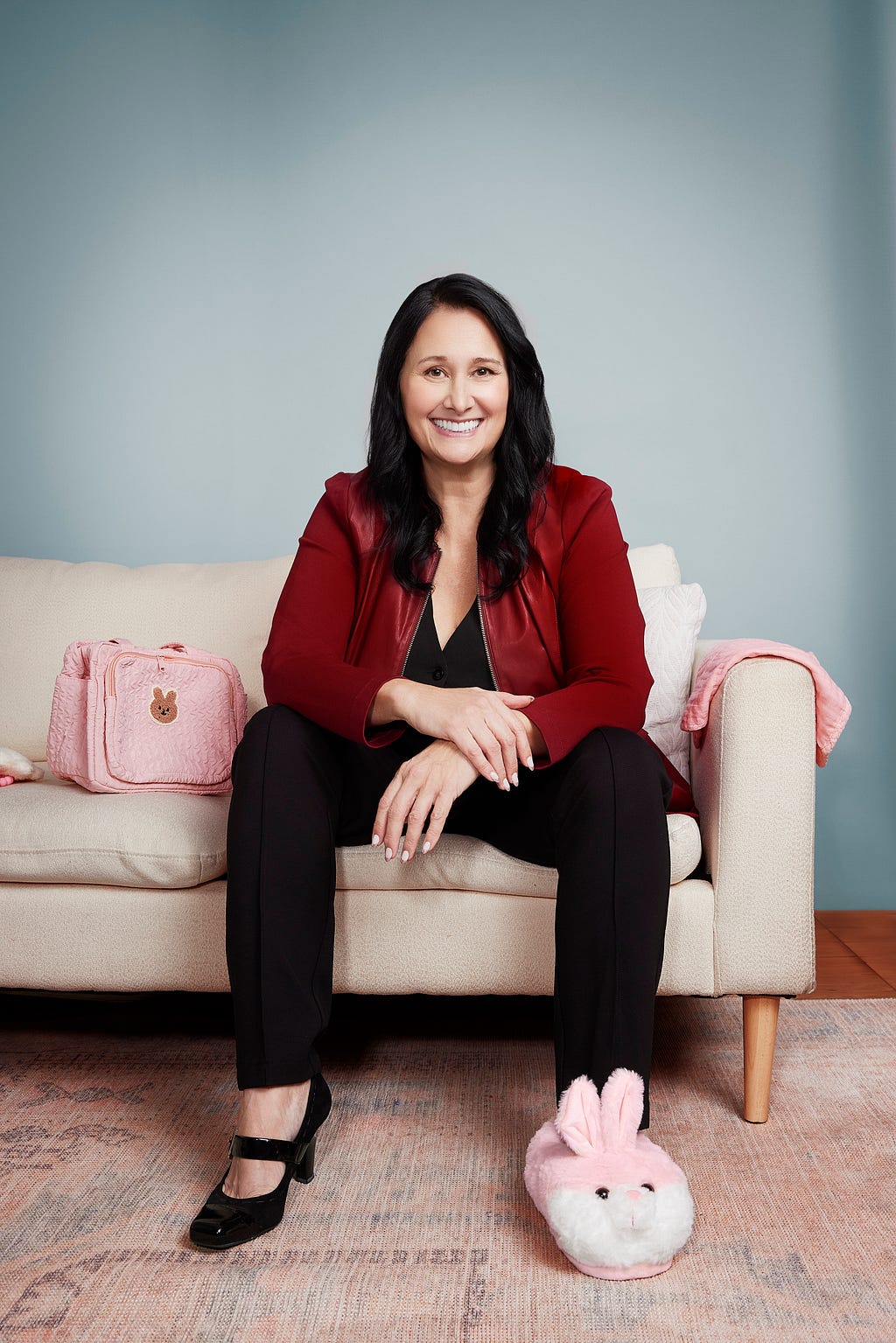
Cheri Bergeron is a former tech executive and entrepreneur turned bestselling author, speaker, trained life coach, and founder of the nonprofit Cheri’s Choice. Following her ten-year struggle with infertility that involved multiple rounds of IVF, donor conception, genetic defects and child loss, she successfully gave birth to her children at the ages of 44 and 46. Driven by these experiences, Cheri wrote the #1 Amazon bestseller Mission: Motherhood to let women know they aren’t alone in this struggle. Through her nonprofit, Cheri’s Choice, Cheri now helps women navigate non-traditional paths to motherhood on their own terms — with clarity, confidence, and choice. She lives with her beautiful, unconventional family in Austin, Texas.
Thank you so much for joining us in this interview series! Our readers would love to get to know you a bit better. Can you tell us your “Origin Story”? How did you grow up?
I grew up in a traditional, middle-class family. My father was the breadwinner, and my mother stayed home with my brother and me. Growing up in the 70s, I was greatly influenced by the feminist movement. I understood that I would get an education, and my future opportunities were virtually unlimited.
What’s a moment from your childhood that you didn’t realize mattered until much later?
I didn’t fully realize it at the time, but I was conflicted about motherhood. My mother was wonderful — loving, nurturing, and always supportive. But in our family dynamic, my father held the power because he made the money. I internalized that making money was valued, but raising children wasn’t. That really impacted me in my career and in my journey to motherhood.
Great. Let’s now shift to the main part of our discussion about adoption and foster parenting. Please tell us a bit about your foster parenting or adoption journey. What inspired you to adopt or become a foster parent?
I was in my late 30s. My husband and I were struggling to get pregnant. Then, a co-worker of mine mentioned the idea of foster parenting. At the time, I knew very little about the fostering process. She explained that one of her friends had just adopted two young boys, and that it had been a wonderful experience for their family. I was intrigued and decided to learn more. I believed that becoming a mother was part of my life’s purpose, and I was open to any door that God opened for me. I thought this was potentially a sign that this is what I was meant to do.
Can you share a story about the most meaningful moment for you so far in this journey?
We ended up getting an emergency placement of a 12-month-old little girl. She had had a rough start in life. Her mother had been in the foster care system as a teenager, and she was having difficulties with drug addiction. Having that little girl in our home for seven months was an incredible experience. Knowing she had been through a lot, it was such a gift to give her all the love and security that she needed. Each and every day watching her blossom was incredibly meaningful.
Of course, the hardest day was when she left our home to go live with some distant relatives. We were in a foster-to-adopt program, and it seemed likely that we would be able to adopt her. However, it’s important to understand that the foster care system prioritizes family reunification whenever possible. Their placement policies also demonstrate the belief that a blood relative of the child is better than the best foster parent, so they decided to move her even though she did not know the relatives.
Can you describe how the experience of foster parenting or adoption has made you a better person and a better leader?
For a long time, her departure felt like a death. We were heavily bonded, so it was incredibly difficult. Over time, though, I realized that I had played a critical role in her life. I stepped in to provide love, nurturing, and safety when she needed it most. Even though she was no longer with us, I know the love wasn’t wasted. Then ultimately, my foster care experience inspired another one of my friends to consider foster parenting when they could no longer afford fertility treatments. They were quickly placed with two sisters to care for, and soon afterwards, got a little infant girl placed in their care. They ended up adopting all three! It taught me that sometimes our stories are stepping stones for other people’s victories.
How else has fostering or adoption changed you as a person? Please explain.
Being a foster parent reinforced my desire to become a mother. While foster parenting didn’t give me the family I wanted, it inspired me to move forward with fertility treatments. I knew that God had a plan for me to become a mother, and it was my job to take each step forward without knowing exactly where the path would lead. I finally got my two children at the age of 44 and 46 (two weeks shy of my 47th birthday). It wasn’t an easy road — any of it — but it has been a journey of love.
What do you think are the biggest misconceptions about fostering and adoption that you would like to dispel? Can you share a story that helps challenge or reframe those assumptions?
The first myth is that foster parents are unethical and are in it for the money. Candidly, it isn’t easy to become a foster parent! You have to prove that your home is worthy and safe in many, many ways. I sometimes wish that all parents were put through this kind of rigor to have children in their homes.
Second, the majority of foster parents do it because it’s a calling. They love children and know that providing love and security at such a pivotal time in a child’s life creates a lasting, positive impact.
Finally, it’s important for foster parents hoping to adopt to go in with their eyes wide open. Even if your placement agency acknowledges your desire to adopt a child, this is NOT the system’s top priority. Their objective is to reunite children with their blood relatives, even when the child is in a great home and is bonded with their foster caregivers. This reality can understandably create inner tension for foster parents, but it’s important to understand your role from the beginning.
Can you describe a particularly challenging moment you faced in this journey? How did you navigate it, and what did you learn that could help others in similar situations?
I describe it above. Having our foster child leave our care after seven months was extremely difficult. It felt like a death. I came to realize that the love we gave her wasn’t wasted. I believe it sank into her soul and it also inspired my friend to become a foster parent. There was purpose in our time together. As I mention above, it’s important to go into the process with your eyes open, understanding that heartbreak and loss is a possible outcome.
Please share your “Five Things I Wish Everyone Knew About Adoption and Foster Parenting.”
1. It’s hard to become a foster parent
You have to be committed to this process. Some examples — we had to lock up all our medications, have regular inspections of our fire extinguisher, thoroughly child-protect the home, and take ongoing classes. It’s a big, ongoing commitment to stay in good standing.
2. Foster families aren’t the system’s priority
Foster parents play an essential role in the system, but the desires of foster families aren’t the system’s priority. You serve a purpose to provide safe homes for children in need, but the system will always prioritize reunification with biological family members whenever possible. You need to understand that your needs are at the bottom of the totem pole in the foster care system.
3. There are no guarantees in the foster care system
You may have a great experience, or you may have a terrible experience. Search your heart and do it as selflessly as you can, because these children desperately need you.
4. CPS workers have an incredibly difficult job
CPS workers have an incredibly difficult job and are woefully understaffed. They work in a broken system and see heartbreak every day. Show them some compassion when you can.
5. The love you gave a child is never wasted
Even if things don’t work out the way you hoped, know that the love you gave a child is never wasted.
What are some small first steps someone can take if they are curious but unsure?
Seek out someone who has been a foster parent and ask for their honest experience. Hopefully, they will tell you the good and the bad.
How can communities, not just individuals, better support children and families in the system?
Connect with a placement agency in your area. They have ongoing programs for their foster families (clothing drives, toy drives, Halloween carnivals, etc. and they can always use donations).
What kind of support made the biggest difference for you? Can you share the best support resources, organizations, or educational tools that have helped you most in your adoption and foster parenting journey?
The placement agency and other foster families were our best sources of support. They really care.
What gives you hope when you think about the future of adoption and foster care?
I’m hopeful about the future of foster care and adoption because there are good people in the world who desperately want to be parents. They want to provide love for children who need it.
You are a person of great influence. If you could inspire a movement that would bring the most good to the greatest number of people, what would that be? You never know what your idea might spark.
After I achieved my dream of motherhood, I realized that women need more education and support so they can proactively and intentionally plan their path to motherhood on their own terms. I wrote the #1 Amazon bestseller, Mission: Motherhood and started a nonprofit, called Cheri’s Choice, to provide education, counseling and community support.
How can our readers follow your work online?
You can follow me on my author site and Cheri’s Choice. I also host the Mission Motherhood Show on YouTube, Apple Podcasts, and Spotify.
Here are links to my socials:
LinkedIn
Facebook
Instagram
TikTok
YouTube
This was very meaningful. Thank you so much. We wish you continued success in your important work!
Chosen Families: Cheri Bergeron Of Cheri’s Choice On Why Adoption and Foster Parenting Matter More… was originally published in Authority Magazine on Medium, where people are continuing the conversation by highlighting and responding to this story.