


An Interview With Stephanie Greer
First, it’s only a “disorder” in a clinical term. It’s a cunning, maddening condition, to be sure. But it is a strength or a superpower as well, as it has given me the gifts of vulnerability, compassion, and relentless perseverance.
Living with bipolar disorder presents a unique set of challenges. This condition can profoundly impact an individual’s personal, social, and professional life. But it’s crucial to note that countless individuals with bipolar disorder lead productive and successful lives, transforming their experiences into powerful narratives of strength and resilience. In a world where conversations about mental health are becoming more urgent yet still face stigma and misunderstanding, the timeliness of this series cannot be overstated. We aim to shed light on the realities, strategies, and triumphs of navigating life with this disorder. In this series, we are talking to individuals who have been diagnosed with bipolar disorder, who share their personal journeys, strategies, coping mechanisms, and expert advice to help others in similar situations. As a part of this interview series, I had the pleasure of interviewing David Shamszad.
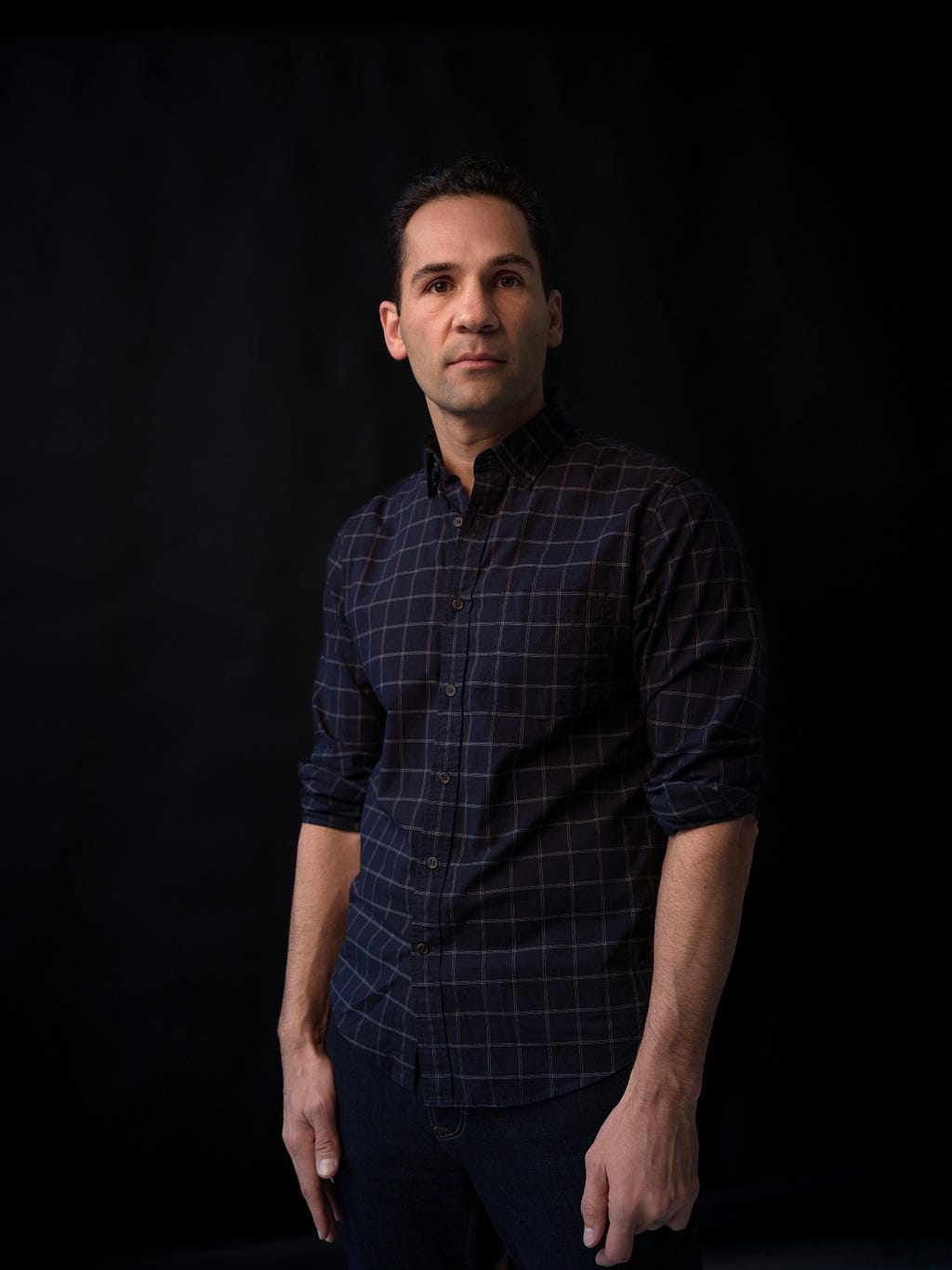
David Russell Shamszad spent more than decade battling untreated bipolar disorder and addiction. Through treatment, radical personal changes, and support from his community, he found sobriety, self-belief, and success. He lives in the Bay Area with his wife and son and runs a real estate and investment company. He is the author of I Am Someone You Know: The Fight for Recovery and Mental Health.
Thank you so much for joining us in this interview series! We really appreciate the courage it takes to publicly share your story. Before we start, our readers would love to “get to know you” a bit better. Can you tell us a bit about your background and your childhood backstory?
I grew up in the Bay Area in an Iranian-American family. I graduated from Dartmouth College with a degree in English. My teenage and early college years were bright and wide open. I was curious, exuberant, and excited to learn and to explore. I studied literature, captained the crew team, and began preparing for the world ahead. But in my early twenties, after mania and depression drove me suicidal and into a psychiatric hospital, I was diagnosed with bipolar disorder. For the next decade, I battled with mental illness, addiction, and identity. But after nearly losing my life, I began the long journey of treatment and recovery. After years of recovery, I’m a husband, father, and CEO of a thriving company. I am the author of a book about mental illness, addiction, and recovery, I Am Someone You Know: The Fight for Recovery and Mental Health.
Can you please give us your favorite “Life Lesson Quote”? Can you share how that was relevant to you in your life?
“Fear is good. Like self-doubt, fear is an indicator. Fear tells us what we have to do.”
This is a quote from Stephen Pressfield, author of a few books, including Gates of Fire, The War of Art, and Turning Pro. Every day we find ourselves at the inflexion point where a choice must be made… A choice between the easy thing or the harder thing. Which will it be? The scary and unfamiliar or the easy or safe? I believe that courage is available to all of us, every day, through different obstacles and tests. It’s always there — waiting to be reached for and grabbed hold of. But it will always invoke fear. In my case, there was nothing easy about seeking treatment, much less quitting alcohol. Fear was consummate — what would I do without the steady promise of a drink? What if I lose the people around me when they find out I have this disorder? What if none of it works? But it was ultimately these very fears which were a signal to me of what I must do. If we are scared, we are probably on the right track.
Let’s now shift to the main part of our discussion. Can you share what your journey with bipolar disorder has been like?
In my early twenties, bipolar disorder ripped through my mind like wildfire. I experienced maddening pendulum swings between despair and euphoria that I kept secret and untreated. On one end of the pendulum swing was a reckless, dangerous exhilaration. But on the other, a relentless and crippling sadness. When the pendulum swung, I felt that I didn’t deserve even the tiniest speck of space in the universe. Alcohol was the perfect medicine for a growing, yet clandestine illness. It became essential to my body and to every function.
Years and years went by as alcohol and bipolar disorder led me through a certain hell. My mind was at war with itself, breaking under the weight of a mental illness and substance abuse disorder. I was hospitalized, arrested, and badly hurt. I was a danger to myself and to those around me… strangers and loved ones alike. Hopes of a career were forgone. And my relationship with the one person who had been by my side was in peril. At a certain point, I had resigned to the reality that I would not or could not recover and survive.
But, after I reached a pivotal point — a true now or never — I embarked on a journey to seek treatment and make a change. Now, after a decade of steadfast work to care for my mental health and recover from alcohol abuse, I’ve built a successful business enterprise and started a family. None of this would have ever happened if I hadn’t accepted that I have an illness and actively pursued treatment. But I was one of the lucky ones. Fifty thousand people will kill themselves in our country this year. Countless others will suffer from a moderate or severe mental illness without getting treatment.
Was there a turning point for you when things started to change for the better? Can you please share a story?
I had been failing to properly treat my disorder along with self-medicating for a long time and to a dangerous degree. I’d been jailed, beaten up, and ultimately careening towards a likely tragic downfall. I woke up one morning with cuts, scrapes, and bruises all over. I’d been there before, though usually with enough glimpses of the previous night to inventory what had happened. The medication I took, the state of my mind, and the addition of alcohol would so often turn me into a very volatile person. While trying to figure out how I got home and not finding any sign of a bus or cab receipt and knowing I didn’t walk seven miles, it dawned on me that I might have driven. I scoured the neighborhood, hoping that I didn’t find that I had taken it home in that condition. Sure enough, after a few blocks, I saw the silver bumper. I realized right then — as if I hadn’t already had enough chances to see the obvious — that I wasn’t only going to hurt myself. I was hurting her. I was hurting all those that came in my path. I was putting strangers at risk while driving through the streets. It was only a matter of time.
Later that day, when I saw my partner. I had pushed her to the point of not knowing if she could continue to be with me. She told me, “I don’t know that I can watch this anymore.”
I told her that I was done. That I would get the help I needed. That I would get treatment and do the real work of healing and get sober. She took me to a rehab center and I met a counselor there. After spending a bit of the session telling her about my life up to that point — my diagnosis and condition, trouble with self-medication, everything — she told me, “If you don’t make real change, you’re not gonna survive.” And I believed her.
That day was the day my new life began. That was the last time I ever had a drink and I’ve since been on regular medication, in therapy, and practicing the self-care needed to be my very best self. The work was, and remains, unending. It’s been a long, difficult path to become the person I am today. I am bipolar, yes. I am also a recovering alcoholic. But I am an entrepreneur, parent, and husband. I owe everything to my partner — now my wife and mother to our little boy — for not leaving and for believing in me that I could do it.
Who are some of the important people in your life who have been on this journey with you? How have they either helped you or made things harder?
My wife, who has stuck by my side through all of this. She watched me descend into depressive episodes and watched me careen into manic ones. She was there in the hospital with me after I’d had a knife pried away from my wrist. She witnessed — up close — the years of destructive self-treatment and addiction, wondering if I’d been hurt or jailed again. Or, perhaps, worse. However, this is to say that she sat idly by, nor that her patience would have been unending. It was ultimately up to me to make the changes that were needed for us to remain together. And I almost didn’t. Love and support should never be taken for granted. Without making a commitment and effort to change myself, I was simply asking to be enabled, which a true partner won’t allow for. She trusted me that I would do what needed to be done. Now, twenty years after meeting, we’re married and have a beautiful three year old boy with hair past his shoulders that he won’t let us touch!
How has your experience been getting treatment? What do you wish mental health professionals understood better about navigating bipolar disorder?
The hardest part about getting treatment was making the decision to actually commit to treatment itself. An effective treatment requires vulnerability and willingness to accept the realities of the condition as well as the difficult choices needed to mitigate symptoms. In other words, just seeking help can in and of itself be a very high hurdle. Once in treatment, my experience has largely reflected my willingness to commit to it. I’ve found that I tended to dislike the doctors or mental health professionals I was seeing when I was not giving a full measure of commitment to the process. For example, for many years my psychiatrist warned me about the dangers of mixing medication with drugs and alcohol. I was not willing to abide by that recommendation and ultimately resented him for prescribing it.
I do believe that my negative feelings toward the practitioner at the time had much more to do with my own lacking dedication to treatment. Mental health professionals are just that — professionals. Like in any profession, some likely excel to the top of their industries while others may not. However, also like in any profession, they too need to manage high work volumes or caseloads and may perhaps, naturally, drive more success with patients who are more proactive and self-guiding when it comes to their regiment or treatment. At the end of the day, it is about US. When it comes to treatment, we will get out what we put in.
I really appreciate you sharing your journey, I believe over time stories like these will make a dramatic impact on the stigma of mental health conditions. Unfortunately, in today’s world, there is still a lot of stigma to navigate. How does stigma show up in your family or culture and how has it affected you?
When I woke up in a psychiatric hospital fifteen years ago, one of the first thoughts I had was — What if people find out? I’d been diagnosed with bipolar disorder after succumbing to relentless, crippling episodes of mania and depression. I was lucky to be alive, fortunate to be receiving care, and blessed that someone saved me on the worst day of my life, one that could have been my last. Yet, within moments, my first instinct was to bury it and keep it a secret. That same fear of judgment — by myself or others — made me avoid acceptance of my diagnosis for years. Instead of treatment, I self-medicated. Instead of vulnerability, I lashed out. Instead of self-care, I nearly destroyed myself.
Had I been vulnerable sooner, perhaps I could have eased the pain and staved off self-destruction. Had I talked openly — and felt comfortable doing so — perhaps I’d have felt support instead of isolation. And so, to all of those people struggling with bipolar disorder or any mental health issue, I say: Be vulnerable, real, and raw. Know that you are not fine, and that it’s okay. Talk, listen, feel, and share. Don’t be scared of seeming weak — your strength is boundless. But it won’t be those clenched fists that get you through this.
One in five people suffer from a mental illness. Half of those will never seek treatment and will self-medicate. Many will harm themselves, or worse. You may never know who is suffering — they could be right beside you. No one may ever know if YOU are suffering — even your friends and family. If we all have a greater understanding of mental illness, addiction, and related conditions, many will have improved quality of life and we will all have higher-functioning communities. Open, empathetic conversations about mental health should become universal and dissociated from any stigma. Because stigma begets silence, which can be deadly.
What are a few of the biggest misconceptions and myths out there about bipolar disorder that you would like to dispel?
One critical misconception is that bipolar disorder is akin to ‘moodiness’ or simply a mercurial personality. In reality, a depressive episode is nothing like ‘waking up on the wrong side of bed.’ Nor is a manic episode comparable to feeling uncharacteristically energetic and enthusiastic. These notions are reductive, inaccurate, and have the effect of minimizing the impact of bipolar disorder.
The reality is that an episode can be nothing less than terrifying and even some people’s worst lived experiences. Imagine your mind racing at a hundred times its normal speed, flooding your brain with fear and a crippling despair. Imagine a feeling so sharp, so painful that it causes you to believe you’d be better off dead. And, finally, imagine that belief being so relentless that you act on it. This can be the reality of a depressive episode and it’s nothing like ‘the wrong side of bed.’
On the other hand, I understand why mental illness and disorder tends to be misunderstood and, therefore, mischaracterized. First, it’s not a condition that someone else can see in the same way many can. Next, it’s not easy to explain and we often lack the ability to even do so, particularly in moments of crisis. Finally, it’s hard to comprehend, particularly if you have never experienced it. My first episode was unlike anything I’d ever experienced in my life, and there is no explanation I could have received prior that could have made me truly understand what it would feel like or what was happening inside of me.
What are 5 things you learned from your journey that you think other people navigating life with bipolar disorder or their family would benefit from knowing?
1 . First, it’s only a “disorder” in a clinical term. It’s a cunning, maddening condition, to be sure. But it is a strength or a superpower as well, as it has given me the gifts of vulnerability, compassion, and relentless perseverance.
2 . About one in five people have a moderate to severe mental illness or disorder but only half receive treatment. The outcomes of those who receive treatment compared to those who do not are staggering and life-altering. Do not let shame or fear stand in the way of taking the necessary steps to seek treatment.
3 . Managing a mental illness or disorder is a discipline. It must be undertaken with the seriousness and consistency of any challenging goal or endeavor. That means a lasting commitment to self-care, treatment, and habits that promote reduction in the frequency and severity of episodes and related behavior.
4 . I wish I had been vulnerable sooner — before years and years of self-medication, shame, and secrecy. Talk to your friends, family, and communities. Ask for — and receive — support. It will be life-changing and, perhaps, life-saving.
5 . It is nearly impossible to properly treat a mental illness or disorder while abusing drugs or alcohol. The incidence of dual-diagnosis (concurrent mental illness and substance abuse disorder) is as high as 50%. Substances can trigger episodes and/or worsen them as well as cause disproportionately unsafe or endangering behavior.
How has living with bipolar disorder affected your relationships, both romantic and platonic? Any advice for others who are navigating relationships while managing the condition?
It’s immensely challenging, but ultimately so beneficial, for partners and loved ones to do the work of understanding when behaviors and moods are actually just symptoms and NOT the person. This is difficult work, because so often the symptoms of bipolar disorder have such a direct and personal impact on those closest to us. In my case, my partner was subject to elevated anger, hyperactivity, sleeplessness, disappearances, and other patterns, many of which were symptomatic of my disorder. I was one of the very lucky ones, for I had a partner who was patient enough to stay with me as I worked my way through it. However, in any relationship, only so much can be sustained without repercussions. It was ultimately incumbent on me to do choose to accept and commit to treatment, in order to reduce and manage these symptoms, such that my
Are there any books, podcasts, or other resources that have helped you understand or manage your condition better?
First, Terri Cheney’s memoir, Manic, is a vivid, riveting account of a life lived hiding the terrifying episodes of mania and depression. Next, Dry, by Augusten Burroughs, is a serious, yet witty, memoir about recovery from alcoholism. Both of these books served to hold up a mirror and give a voice to an illness and an addiction I was fighting to accept.
We are very blessed that some very prominent names in Business, VC funding, Sports, and Entertainment read this column. Is there a person in the world, or in the US with whom you would love to have a private breakfast or lunch, and why? He or she might just see this if we tag them. 🙂
I’d love to talk to Simone Biles. Her openness (along with a growing number of other athletes in the professional sports world) to share her challenges with mental health, choose to prioritize treatment, and rebound and return better than ever are nothing if not an inspiration. Any time an athlete (or public figure) of such stature is vulnerable about mental health, it serves to erode the stigma that has historically been such an impediment to diagnosis, treatment, and, ultimately, recovery.
How can our readers further follow your work online?
My website features my book, including a synopsis, sample chapters, and a link to get it. There are also links to recent podcasts I’ve joined, if you’d like to hear some in-depth, raw conversations about my experiences and lessons. All can be found here: www.davidshamszad.com.
Thank you for your time and thoughtful answers. I know many people will gain so much from hearing this.
About The Interviewer: Stephanie Greer, PhD is the Co-founder and CEO of Akin Mental Health — a company dedicated to guiding families on their journey supporting a loved one with mental health challenges like bipolar disorder, schizophrenia and severe depression. Stephanie is passionate about this topic from her own personal experience growing up with a mother who struggled with bipolar 1 disorder and found a path forward to overcome the obstacles and live well. Stephanie’s professional experience includes a doctorate in neuroscience as well as design research roles at Hopelab and Apple. Stephanie brings this personal passion together with her world-class science and technology background to support families across the US in their personal journeys supporting loved ones with mental illness. To learn more about Akin Mental Health and join our community, visit us at akinmh.com.
David Shamszad: How I Navigate Life With Bipolar Disorder, And How You Can Too was originally published in Authority Magazine on Medium, where people are continuing the conversation by highlighting and responding to this story.