


Your voice doesn’t need to be perfect to be powerful. Early on, I worried that I had to write or speak like a policy wonk to be taken seriously. But authenticity and clarity matter far more than perfection — especially when communicating complex topics like public health.
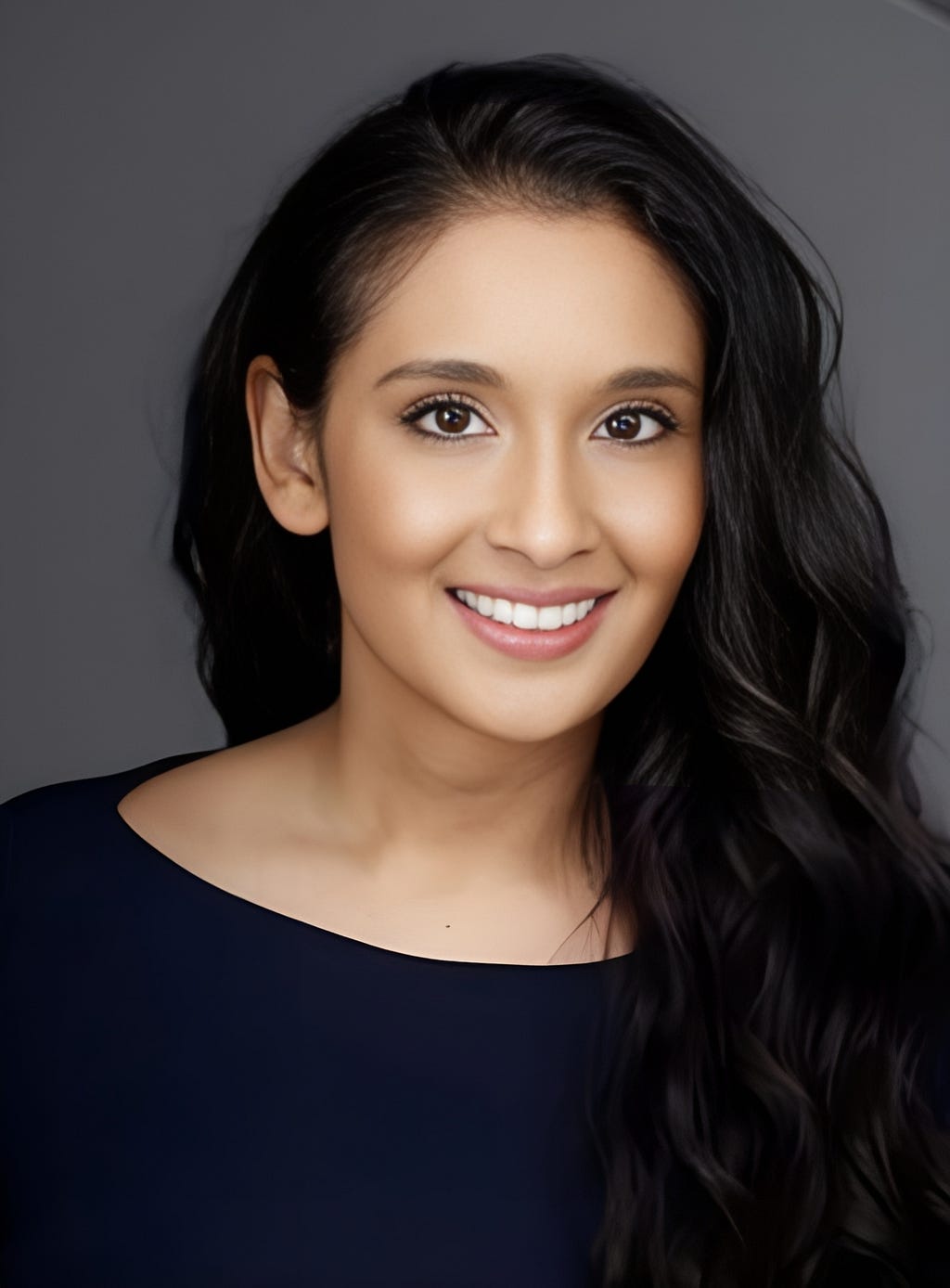
As part of my series about “authors who are making an important social impact”, I had the pleasure of interviewing Dr. Tista Ghosh.
Dr. Tista Ghosh is a physician, epidemiologist, and award-winning health journalist who served as Chief Medical Officer for the state of Colorado and advised Fortune 500 companies during the pandemic. Her work as a journalist and guest expert has been featured in Fast Company, Business Insider, HuffPost, Inc. CNN, NPR, and the Today Show, among others. Her forthcoming book, Before the Next Crisis (Columbia University Press, August 5), highlights untold stories from the COVID-19 pandemic and the urgent lessons we must learn before the next public health emergency.
Thank you so much for joining us in this interview series! Before we dive into the main focus of our interview, our readers would love to “get to know you” a bit better. Can you tell us a bit about your childhood backstory?
I am a preventive medicine physician, epidemiologist, health journalist, and author. Born in Western New York, I grew up on chai, mac ’n’ cheese, summers alternating between the Great Lakes and India, and a love of storytelling. My grandfather and his brothers were freedom fighters in Gandhi’s movement in colonial India. Hearing stories about their contributions to an effort larger than themselves made me want to be a difference maker someday
When you were younger, was there a book that you read that inspired you to take action or changed your life? Can you share a story about that?
In middle school, I read A Bridge to Terabithia, and the story really stayed with me. I was a very imaginative child, always in my own head, and the book captured the power of imagination in making life richer. But it also taught me that life is fragile, and that our time on earth is limited. It made me realize that I didn’t just want to be a dreamer; I wanted to be a doer too. I didn’t just want to imagine things; I wanted to actually make them happen.
It has been said that our mistakes can be our greatest teachers. Can you share a story about the funniest mistake you made when you were first starting? Can you tell us what lesson you learned from that?
My rookie mistake when I first started writing was having characters that “sighed” too much. Someone was always sighing. Why? I have no idea. It’s like I couldn’t think of another verb! When I go back and read my earliest work, with all the sighing, it literally makes me laugh (Or cringe. Or even sigh). I guess I learned o pay more attention to how people really talk (no one is sighing left and right), and to diversify my verbs.
Can you describe how you aim to make a significant social impact with your book?
My goal with Before the Next Crisis is to shift how we think about preparedness — from something technical and distant to something deeply human and urgent. By sharing real stories from everyday people during the COVID-19 pandemic — parents, frontline workers, teachers, small business owners — I want readers to see the emotional and societal toll these crises take, and why our systems must do better.
I hope the book sparks conversations among community members, policymakers, and leaders about the kind of future we want to build — one where equity, trust, and readiness are at the core of our public health response. Ultimately, I want this book to be a catalyst for action, helping ensure that the pain of the last crisis leads to smarter, more compassionate choices before the next one arrives.
Can you share with us the most interesting story that you shared in your book?
One interesting story in the book comes from a construction manager who had to work through the whole pandemic. Being in the southern US, he knew of no Covid cases early on and his crews found it difficult to believe in prevention efforts like masking when there was no virus in the area. Then, later on in the pandemic, as the virus actually reached their locations, many thought the whole thing was a “hoax.” This construction manager saw some of his own family members and colleagues get hospitalized or die as a result.
What was the “aha moment” or series of events that made you decide to bring your message to the greater world? Can you share a story about that?
I was talking to a good friend during the COVID pandemic. She was a public health official and nurse. And she was extremely upset because in her community, everyone was blaming her for COVID — as if it were literally her fault. People were protesting in front of her home, stalking her, and threatening her on a daily basis. Meanwhile, I had another friend in a very rural area where there was no cases or restrictions even, because people
lived so spread apart anyway. And it hit me — this pandemic is so different depending on where you live and the people you’re around. And we are all experiencing it so differently. And I wanted to explore that more. Then I started working with frontline workers and the more I heard about their experiences, the more I realized their stories needed to be shared.
Without sharing specific names, can you tell us a story about a particular individual who was impacted or helped by your cause?
Absolutely. One story that stayed with me was of a single mother who worked at a warehouse during the height of the pandemic. She couldn’t afford to stop working, but every day she feared bringing the virus home to her children. Her workplace had no clear safety protocols, and she felt invisible — essential, but expendable.
When I worked with companies like hers, we helped develop simple, science-based safety measures — things like staggered shifts, better ventilation, and clear communication in multiple languages. Later, she shared that those changes didn’t just protect her health — they gave her peace of mind and a sense of dignity. It reminded me that public health isn’t just about policies — it’s about people, and how even small interventions can have a profound impact on someone’s life. While I didn’t use her story specifically in my book, it is one of the stories that prompted me to write it in the first place.
Are there three things the community/society/politicians can do to help you address the root of the problem you are trying to solve?.
Absolutely. Here are three key actions that could make a real difference:
- Invest in prevention, not just reaction.
- We tend to pour resources into emergencies after they’ve spiraled out of control. Policymakers and communities need to prioritize preparedness — whether it’s public health infrastructure, education, or early warning systems — before the next crisis hits.
- Depoliticize public health.
- Health should be guided by evidence and compassion, not political agendas. Supporting leaders who respect science and encouraging respectful dialogue across divides can help rebuild trust and make public health messages more effective.
- Elevate different types of voices and lived experiences.
- The solutions to our biggest challenges — whether it’s a pandemic, mental health, or environmental threats — won’t come from experts alone. We need to center the voices of those most affected and build policies that reflect real-world experiences, not just top-down theories.
These steps aren’t just about solving problems — they’re about creating a society that’s more resilient, inclusive, and prepared for whatever comes next.
How do you define “Leadership”? Can you explain what you mean or give an example?
Leadership, to me, is the ability to inspire others toward a shared purpose — especially during uncertainty — while creating space for people to contribute their best selves. It’s not about having all the answers, but about asking the right questions, listening deeply, and making decisions that reflect both courage and compassion.
For example, during the pandemic, I worked with companies that had no public health playbook to keep their workers safe. Leadership in that moment meant translating complex science into practical action, calming fears without sugarcoating the truth, and empowering teams — from warehouse workers to executives — to feel seen, heard, and protected. That blend of clarity, empathy, and direction is what leadership looks like to me.
What are your “5 things I wish someone told me when I first started” and why? Please share a story or example for each.
- Your voice doesn’t need to be perfect to be powerful. Early on, I worried that I had to write or speak like a policy wonk to be taken seriously. But authenticity and clarity matter far more than perfection — especially when communicating complex topics like public health.
- The system won’t change unless you challenge it. I used to think doing good science and working hard would be enough. But real change — especially in public health — requires questioning outdated norms, pushing uncomfortable truths, and sometimes going against the grain.
- Tell stories, not just stats. I came from a world of data, where facts were king. But it’s stories that make people care. I’ve learned that narrative is not a soft skill — it’s a strategy for impact.
- Be ready for resistance — and stay grounded in your ‘why’. When you write or speak publicly, especially on controversial topics, criticism will come. But remembering why I started — my grandfather’s legacy of fighting for justice and my desire to help people — keeps me rooted.
- You can’t do meaningful work alone. In both writing and public health, collaboration is essential. I wish I’d realized earlier how important it is to build community — whether it’s fellow authors, health professionals, or readers — who challenge and support you.
Can you please give us your favorite “Life Lesson Quote”? Can you share how that was relevant to you in your life?
My life lesson quote is that “anyone can be a difference maker. “. I think we sometimes think being a difference maker means doing something grandiose like becoming president. But small things we all do can make the world a better place. I remember watching a documentary about the “Forest Man of India.” I16-year-old boy who was saddened by the erosion Of the land near his home, which was surrounded by a barren, desolate sandbar.. And he made a decision to start planting trees on that land. He planted a tree there nearly every day for 40 years. And now it’s a thriving forest, larger than Central Park, where wild animals have returned, and erosion has diminished. This was the difference one kid made — with no money, no political power, no allies — just with time, commitment, and persistence.
Is there a person in the world, or in the US with whom you would like to have a private breakfast or lunch with, and why? He or she might just see this, especially if we tag them. 🙂
I would love to have a meal with Vishen Lakhanj who started an app called Mindvalley that I found very useful in improving my own mental health. I’d love to thank him in person for his inspiring work to help others.
How can our readers further follow your work online?
Please visit tistaghoshauthor.com or follow me on instagram @healthhacker_md, where I share easy tips for busy people to help them stay sane/healthy.
This was very meaningful, thank you so much. We wish you only continued success on your great work!
Social Impact Authors: How & Why Author Tista S Ghosh Is Helping To Change Our World was originally published in Authority Magazine on Medium, where people are continuing the conversation by highlighting and responding to this story.