

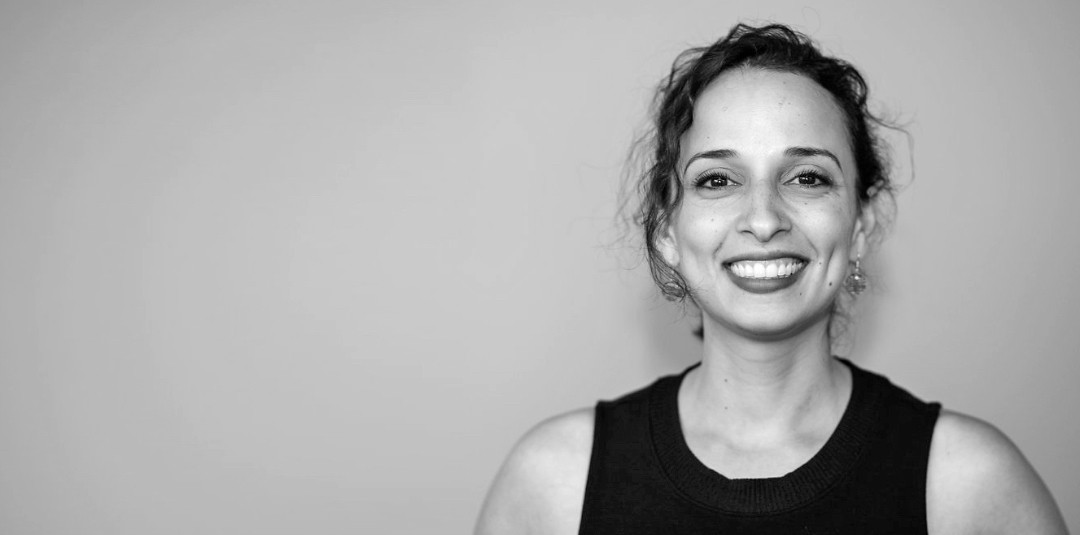

Social Impact Heroes: Yasmine Mustafa is helping to bring peace of mind to women of color who experience sexual harassment on the job
Empathy is a fundamental skill to connecting with others that has unfortunately decreased year over year for the last 20 years. Part of this is tied to technology becoming ubiquitous, how we’re reading less, and how we’re living in isolation more than before. There’s a direct correlation with lack of empathy and abuse, harassment, and violence. The #MeToo movement and increasing sexual harassment claims have caused companies to take notice and look at what they can do to increase workplace safety, especially for the most vulnerable. The hospitality industry faces a particular challenge as nearly 60% of housekeepers have experienced sexual harassment. Many of them are women and immigrants who are afraid of reporting incidents due to the power dynamics. Legislation has passed in several cities (and soon to be states) requiring hotels protect their staff, part of which is supplying them with panic buttons that route to security, displaying signs advertising the law in rooms, complying with sexual harassment policies, and in some cases even banning the offending guest from returning. Enforcing policy is a great way to serve the underserved.
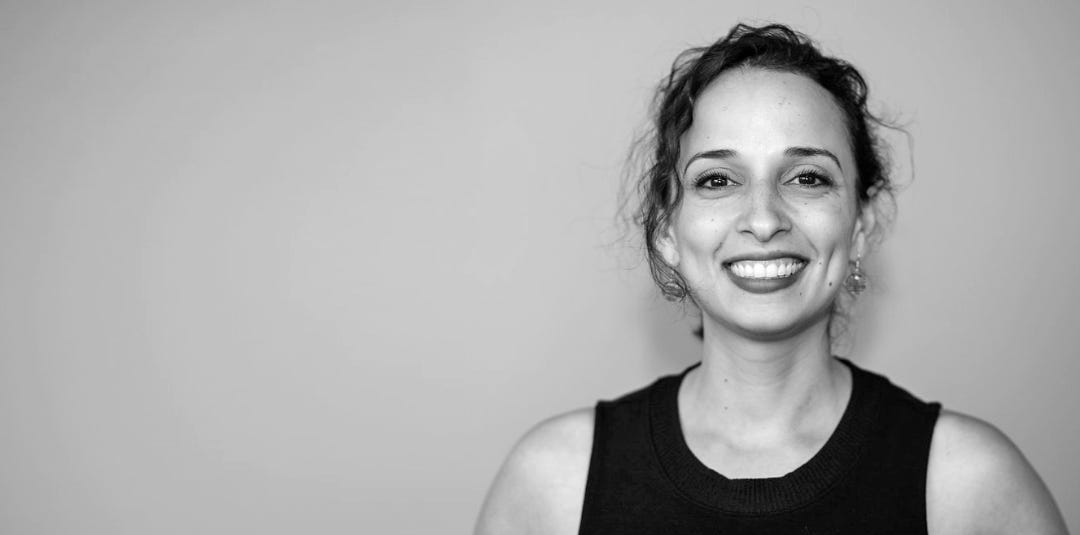
I had the pleasure to interview Yasmine Mustafa, CEO & Co-Founder, ROAR for Good. Yasmine was also a Diversity In Tech Panel Speaker at the 2019 Diversity & Inclusion Conference in Philadelphia. Yasmine is a social entrepreneur and the CEO & Co-Founder of ROAR For Good. Fueled by a passion to leverage technology for good, she leads the ROAR team in their mission to create safer workplaces and empowered communities. Dedicated to fostering inclusive opportunities in business and education, Yasmine draws upon her own experiences as an immigrant and woman in tech to create a platform for conversation and igniting change. In addition to ROAR For Good, Yasmine launched the Philadelphia chapter of Girl Develop It (a non-profit providing affordable opportunities for women to learn software development) and serves on the board of Coded by Kids (a non-profit providing free tech education to inner-city youth). Her role as a leader and advocate has been recognized by the BBC, CNBC’s Upstart 100, Philadelphia Magazine, Philadelphia Business Journal, Technical.ly Philly, and the City of Philadelphia, among others. She is a 2x TedX speaker with a roster of speaking credits that also includes SXSW and CES.
Can you tell us what brought you to this specific career path?
Born in Kuwait, my family and I are refugees of the Persian Gulf War. I have experienced first-hand the challenges that many immigrants and minority groups face while trying to make a life for yourself — fear, uncertainty, language barriers, culture shock, workplace discrimination, and the feeling of not belonging.
Those experiences fueled my passion to help the underserved and provide access to those who don’t have it. This vision inspired the launch of ROAR for Good — a social impact company that leverages technology to create safer workplaces, and propelled our latest product — AlwaysOn.
Can you describe how the conference is making or will make a significant social impact?
When institutions and societies make diversity and inclusion a priority, it lifts entire communities and empowers people to create change. Change begins with honest conversation and understanding. The Diversity & Inclusion Conference, presented provides a platform to promote cross-cultural understanding and to influence corporate social responsibility and educational design. This is our opportunity to actually implement tactics for removing barriers that directly impact minority communities and make a difference for future generations.
Can you describe how your organization is making a significant social impact?
Roar for Good is a woman-and minority-led company. We strongly believe that no one should be afraid while trying to earn a living. Our hotel safety platform — AlwaysOn — can help make that a reality. We’re working to provide peace of mind to the 58% of housekeepers who have experienced sexual harassment (citation) while on the job. They are normally women of color and immigrants. While they’re working, they are cornered in their room, groped, solicited for sex acts, or worse. Every day they go to work, they put themselves at risk. Our hotel safety platform allows them instant access to security or first responders when they need them most. By providing peace of mind and safer workplaces we have the opportunity to empower women and create change.
Can you tell me a story about a particular individual who was impacted by your cause?
We’ve heard many stories from women who have benefited from the safety wearable we built. The most memorable was after I spoke at a conference and they gave away our Athena device to everyone in the audience as swag. I was speaking to the organizer afterwards, when I noticed one of the attendees lingering on the side. When I approached her and we began talking, she tearfully shared a story of how she had been assaulted on a run seven years prior, and how she was reclaiming her past and going on a jog for the first time with her safety wearable that weekend.
Are there three things the community/society/politicians can help you address the root of the problem you are trying to solve?
They can continue to pass legislation requiring hotels and hospitality venues to install staff safety devices in every room. Taking that one step further, they can require device reliability be a major component in that legislation. You can’t have a security platform that doesn’t work when wifi or cellular signals are poor. We focused on solving for dead zone areas when we built our system, even adding fail safes to make sure when a safety alert is sent, it gets delivered quickly and accurately. Dependability is paramount when you are charged with someone’s safety.
How do you define “Leadership”? Can you explain what you mean or give an example?
When I think of a leader, I think of someone that inspires others to do more than they think they could. Great leaders help their team win and aren’t afraid to ask for help of their own. They practice empathy and active listening. And most importantly, they invest in learning about their teammates and treat them the way they want to be treated.
If you could inspire a movement that would bring the most amount of good to the most amount of people, what would that be? You never know what your idea can trigger. 🙂
I have two.
1) Teaching empathy in schools.
2) Protecting people at work.
Empathy is a fundamental skill to connecting with others that has unfortunately decreased year over year for the last 20 years. Part of this is tied to technology becoming ubiquitous, how we’re reading less, and how we’re living in isolation more than before. There’s a direct correlation with lack of empathy and abuse, harassment, and violence.
The #MeToo movement and increasing sexual harassment claims have caused companies to take notice and look at what they can do to increase workplace safety, especially for the most vulnerable. The hospitality industry faces a particular challenge as nearly 60% of housekeepers have experienced sexual harassment. Many of them are women and immigrants who are afraid of reporting incidents due to the power dynamics. Legislation has passed in several cities (and soon to be states) requiring hotels protect their staff, part of which is supplying them with panic buttons that route to security, displaying signs advertising the law in rooms, complying with sexual harassment policies, and in some cases even banning the offending guest from returning. Enforcing policy is a great way to serve the underserved.
Can you please give us your favorite ”Life Lesson Quote”? Can you share how that was relevant to you in your life?
“You can’t be what you can’t see.” As someone who grew up as a minority in my neighborhood and spent a decade undocumented, I had big dreams of what I would do once I had the freedom to choose my own path. While I didn’t know how I would make them come true back then, those experiences made me want to be become a social entrepreneur. Someone who found a way to help others. A college mentor once said something to me that I had never heard before, “I believe in you.” A simple phrase that went a long way. Knowing that gave me confidence to continue to work hard and dream bigger. As a result, I’ve amended that quote to “You can’t be what you can’t see, and you can’t be what you don’t believe.”