


Social Impact Heroes: Why & How Renee Yang and Ann Kono Of TeachAAPI Are Helping To Change Our World
An Interview With Stanley Bronstein
Listen with an Open Mind and Open Heart
One of the most important lessons we’ve learned is the value of listening — especially to educators who were pushing for inclusive curriculum long before TeachAAPI existed. Their experiences shaped how we design our programs: responsive, thoughtful, and grounded in real classroom needs. For instance, early feedback from partner schools helped us create units that are age-appropriate, representative of the full AANHPI diaspora, and easy to use in everyday teaching. This “listen and learn” approach has helped us build real trust with educators — and it’s what makes our programming impactful, practical, and truly integrated, not just another add-on.
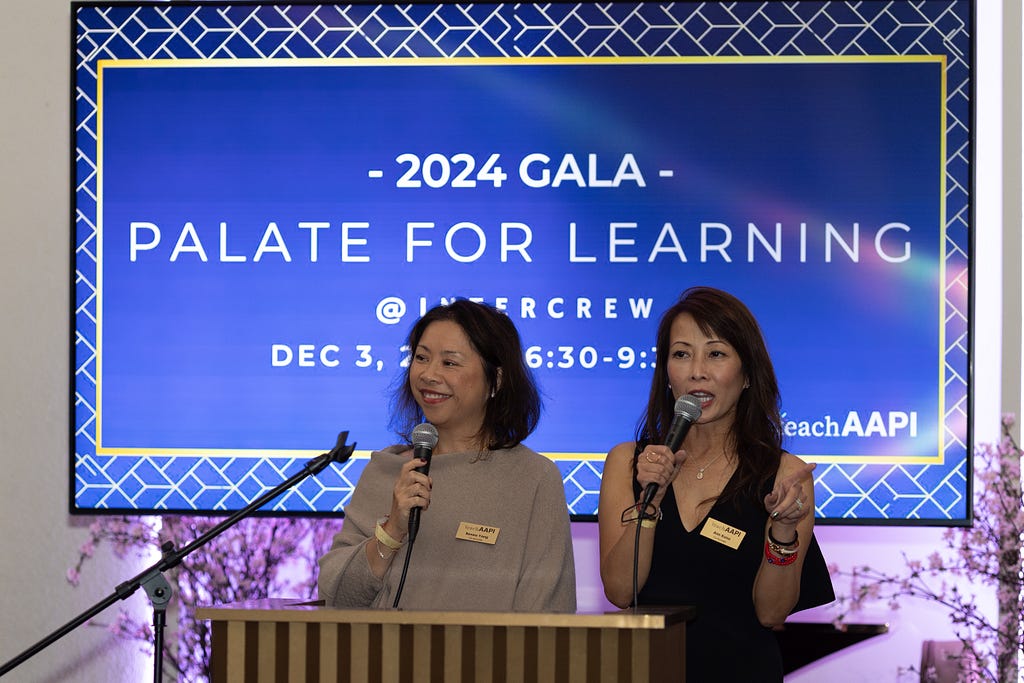
As part of my series about “individuals and organizations making an important social impact”, I had the pleasure of interviewing Ann Kono and Renee Yang.
Ann Kono is a finance industry executive with 20+ years of experience in scaling enterprises and complex infrastructure design. Formerly at Ares Management, she now serves on public/private boards. With a decade of non-profit leadership, Ann will help drive meaningful change at TeachAAPI to enhance AAPI pride, identity, and resources for future generations.
Renee Yang with 20+ years of CPG Strategy and Marketing expertise, brings a consumer-first mindset, simplifying complexity to drive results. Passionate about CSR, she led Neutrogena’s efforts in skin cancer reduction, sustainability, and social equity. A parent and advocate for TeachAAPI, Renee aims to educate new generations about AAPI experiences in a leading non-profit organization.
Thank you so much for joining us in this interview series! Can you tell us a story about what brought you to this specific career path?
The idea for TeachAAPI was born in a moment of deep challenge — but also of clarity and purpose. At the height of the COVID-19 pandemic, our children experienced microaggressions at school — small comments, jokes, and assumptions that reflected a larger misunderstanding of who we are as Asian Americans. Like so many families, we were heartbroken. But in that heartbreak, we also felt a powerful call to action.
We realized these moments weren’t just rooted in malice — they stemmed from a lack of awareness, connection, and representation. And we believed the most powerful antidote to that is education. That’s what inspired us to create TeachAAPI: a lasting, proactive solution that helps schools integrate AAPI stories, voices, and contributions into everyday learning.
Our mission is fueled by hope. We believe that when students grow up learning about the full richness and diversity of the American experience — starting early and continuing throughout their education — they become more empathetic, more inclusive and more deeply connected to one another. We’re not just teaching about history — we’re nurturing a future rooted in understanding and unity.
What began as a deeply personal response has blossomed into a national movement. And every day, in classroom and communities around the country, we see signs of change — real and meaningful.
Can you share the most interesting story that happened to you since you began leading your company or organization?
One of the most meaningful and unexpected moments for us came while we were applying for one of our very first major grants. TeachAAPI was just beginning to gain momentum — we had started working with a few incredible schools that believed in our mission and were eager to bring AAPI stories into their classrooms.
When we applied for a transformative grant that could help us grow our impact, we honestly didn’t know how our work would be received. But during the interview process, something surprising — and deeply encouraging — happened. The grant manager paused and said, “My cousin actually teaches at one of your early partner schools. She’s seen firsthand how much TeachAAPI has meant to her students.”
It was a powerful full-circle moment. What began as something so personal had already started to ripple out in ways we couldn’t have imagined — reaching classrooms and communities we hadn’t even directly connected with. That grant became a turning point for us, giving us the support we needed to build curriculum, train educators, and grow our model across the country.
Moments like that remind us why we started this work — and how deeply it can matter when students see themselves reflected in what they learn.
It has been said that our mistakes can be our greatest teachers. Can you share a story about the funniest mistake you made when you were first starting? Can you tell us what lesson you learned from that?
Absolutely — and we have to laugh a little looking back at it now! When we were first starting TeachAAPI, we were navigating the educational space somewhat from the outside-in. We weren’t a traditional education nonprofit, and we definitely felt a bit of that imposter syndrome. We knew we had something valuable to offer, but we weren’t sure how — or even if — it would be received by schools and educators.
One early moment that stands out was when we stumbled into the People of Color Conference (PoCC). We thought we were just going to attend, listen, and learn quietly in the back of the room. Instead, we found ourselves in the middle of some incredible conversations. Educators were excited — truly excited — about what we were creating. We had a sense that our work was filling a gap, but the response was beyond anything we expected. Some even asked, right then and there, how they could get their schools involved.
We hadn’t even prepared a proper pitch. No flashy materials. Just our mission and a genuine desire to create change. It felt a bit like showing up to a formal dinner in sneakers — but instead of being turned away, we were warmly welcomed and encouraged to take a seat at the table.
The big lesson? Don’t underestimate the value of showing up — imperfectly, but authentically. Sometimes you don’t need all the polish or credentials to be taken seriously. You just need purpose, clarity, and the courage to step into the room. That moment gave us the confidence to stop waiting for permission and start leaning into the impact we knew we could have.
Can you describe how you or your organization is making a significant social impact?
At TeachAAPI, we believe something simple yet deeply important: every student deserves to feel seen, valued, and included in the story of America — no matter their background. When AAPI histories and voices are left out of the classroom, it not only affects AAPI students — it limits all students’ understanding of the diverse experiences that shape our country.
We’re trying to change that. Through our work with both public and independent schools, we’re helping make educational transformation a reality. One thing we’re especially proud of is how we intentionally connect and bridge communities: for every independent school that partners with us, we’re able to offer our programming — free of charge — to a public school. It’s one way we make sure this work reaches more students, and that equity stays at the center.
By bringing AAPI history and culture into classrooms early and often, we’re helping raise a generation of students who are not only more informed but also more compassionate and connected. This isn’t just about curriculum — it’s about opening minds, building bridges, and telling a fuller, truer American story.
That’s the heart of our social impact: building an enhanced educational system where all students can see themselves reflected and respected — and where cultural understanding becomes a shared value, not a side note.
Can you tell us a story about a particular individual who was impacted or helped by your cause?
Certainly! Here are some impactful testimonials from educators and parents who have experienced the transformative effects of TeachAAPI’s programs:
“As an administrator looking to enhance the curriculum for a DK-8th grade school, I found the TeachAAPI curriculum to be purposeful, relevant, and accessible to teachers and students alike. The TeachAAPI units of study are exactly what we have been looking for.”
— Geoff Agnor, Educator(Teach AAPI)
“As an Asian American educator, witnessing the integration of AAPI history in our ever-evolving curriculum has evoked many mixed emotions…there is something so powerful and beautifully complex about being Asian American. …we are bonded by shared experiences. It is now more crucial than ever to recognize these diverse voices. We’ve been learning the hard way that the long absence of our history has had painful repercussions, from racial stereotypes to the model minority myth, and of course, the rising hate against our community. The inclusion of AAPI history into our education is not just about the AAPI students, teachers, or community; it’s actually about all of us and our shared American history.”
— Debbie Chae, Educator at The Willows Community School(TeachAAPI)
“We are a Title I school with limited access to funds for new, modern, diverse books. These titles would help decrease the average age of our collection, making it more relevant and engaging for our diverse student population. Our students could see themselves more in our community library space.”
— Educator at Public Title I Colorado Elementary School(Teach AAPI)
“TeachAAPI has really established a community and created a network of people who are passionate about educating our students for a more inclusive mindset. I feel honored to be part of the effort.”
— Janet Lee, Director of Equity, Curriculum and Instruction for Curtis School(Teach AAPI)
“My trust in TeachAAPI is their focus on providing educators with robust tools for supporting the development of effective, culturally relevant materials for students. These materials are much needed to support our educators who have limited time to generate detailed lesson plans that work for our diverse student populations in our schools.”
— Joel Sohn, Assistant Head of School for Head Royce(Teach AAPI)
These testimonials highlight the significant social impact TeachAAPI is making by providing accessible, culturally relevant educational resources that empower both educators and students. If you’d like to incorporate these quotes into a specific format or presentation, feel free to let me know!
Are there three things the community/society/politicians can do to help you address the root of the problem you are trying to solve?
At TeachAAPI, our work is intentionally apolitical. At its heart, it’s about history and storytelling — giving students both “windows and mirrors.” Windows to see into the lives and experiences of others, and mirrors to see themselves reflected. This kind of learning helps foster empathy and understanding among all students, not just those who identify as AAPI — and it’s a meaningful way to challenge the roots of systemic racism.
To truly address the gaps, three things are essential:
First, we need policymakers to support inclusive curriculum standards that reflect the full range of American stories — not just a select few. When students see themselves and others in what they learn, everyone benefits.
Second, we must ensure equitable access. Too many public and Title I schools don’t have the resources to bring this content into the classroom. Funding and support are critical so that every student — regardless of background or zip code — can learn from a fuller, more accurate curriculum.
Third, teachers need the time, tools, and encouragement to lead this work. With strong professional development and meaningful support, educators can bring this work to life in ways that are thoughtful and confident.
When educators, leaders, and communities come together, real and lasting change is possible — a future where all students grow up feeling seen, connected, and better prepared to understand the world and each other.
How do you define “Leadership”? Can you explain what you mean or give an example?
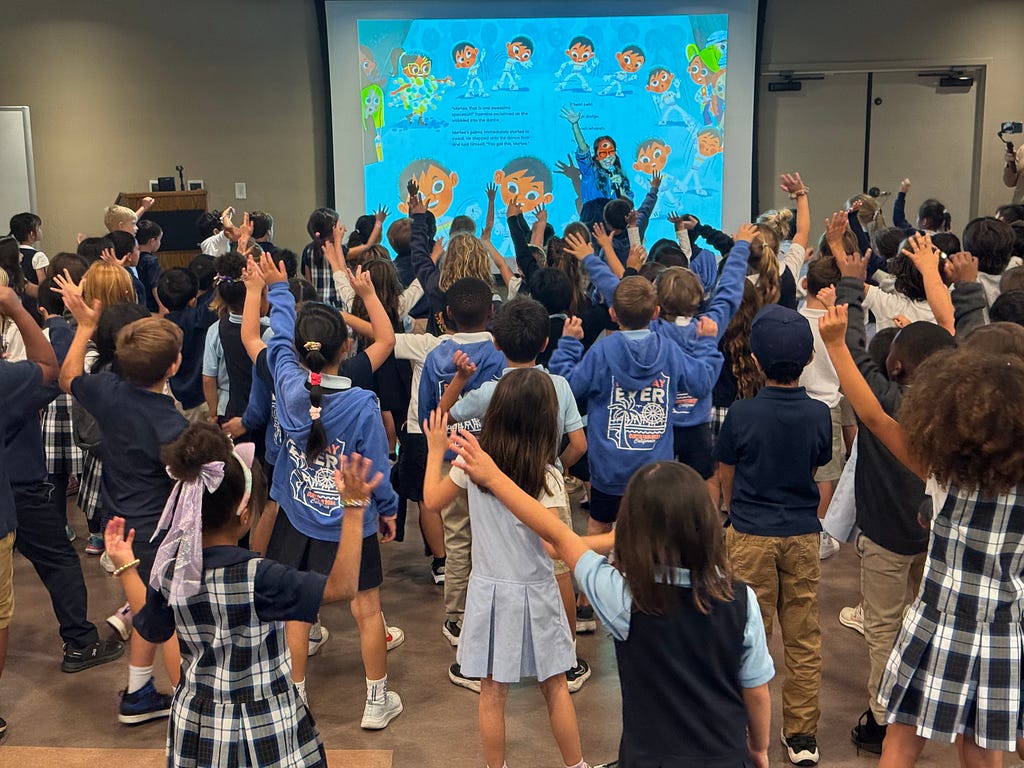
We believe leadership isn’t about titles or positions — anyone can be a leader. That’s why we created the TeachAAPI Educator Circle™, a national movement that activates teachers as leaders in their own classrooms and communities. These educators are on the front lines, driving change by integrating AAPI stories and perspectives into their teaching.
To us, leadership means showing up consistently, even when progress feels slow. Driving real systems change takes time, persistence, and countless small steps. But those small actions — one lesson, one conversation, one moment of connection — all add up. Together, through collective effort, we all have the power to make a meaningful difference.
We see this example come to life everyday through our Educator Circle. Teachers are consistently sharing resources, strategies, and supporting one another to bring inclusive learning into schools in ways that we’ve never seen before. These amazing educators are not waiting for permission — they’re leading change in their classrooms and beyond, helping all students feel seen, valued and empowered.
In this way, leadership is about courage, commitment, and community. And when we all step up, the impact is truly powerful.
What are your “5 things I wish someone told me when I first started” and why.
1. Listen with an Open Mind and Open Heart
One of the most important lessons we’ve learned is the value of listening — especially to educators who were pushing for inclusive curriculum long before TeachAAPI existed. Their experiences shaped how we design our programs: responsive, thoughtful, and grounded in real classroom needs. For instance, early feedback from partner schools helped us create units that are age-appropriate, representative of the full AANHPI diaspora, and easy to use in everyday teaching. This “listen and learn” approach has helped us build real trust with educators — and it’s what makes our programming impactful, practical, and truly integrated, not just another add-on.
2. Surround Yourself with a Mission-Minded Community
The power of community can’t be overstated. Our board, made up of educators, community leaders, and advocates passionate about equity, has been instrumental in accelerating our growth. Their guidance helped us secure transformative grants that expanded our reach into Title I public schools — schools that often lack resources but desperately need inclusive content. This collective commitment has fueled our momentum and inspired us to keep pushing forward.
3. Show Up Even When You Feel Like an Outsider
Navigating the education space as outsiders was intimidating at first. We weren’t traditional educators, and there was a real imposter feeling. But one pivotal moment was at the People of Color Conference (PoCC), where we went with no formal presentation — just our mission and passion. Instead of being sidelined, we were embraced by educators eager to collaborate. Several schools expressed immediate interest in partnering with us. This taught us that authenticity and courage can break down barriers more than polished pitches ever could.
4. Accept the Natural Rhythms of Progress — Be Brave and Persevere
Social change is rarely a straight path. After the excitement of initial partnerships, like those with independent schools who generously support Title I public schools at no cost, we encountered quieter periods with fewer immediate wins. Those moments tested our resolve. But understanding that this work moves in natural rhythms helped us stay focused and resilient. Perseverance is essential — because even small gains build toward lasting impact.
5. Small Steps Lead to Big Change
We quickly realized that transformation doesn’t happen overnight. One of our early public partner schools shared how integrating just a few TeachAAPI lessons opened students’ eyes to histories they had never heard before, sparking empathy and pride. These seemingly small classroom moments ripple outward, influencing school culture and community attitudes over time. Change starts one student at a time — and those incremental steps add up to meaningful progress.
You are a person of enormous influence. If you could inspire a movement that would bring the most amount of good to the most amount of people, what would that be? You never know what your idea can trigger. 🙂
If we could spark a movement with the greatest potential for lasting good to the most people, it would start with embedding empathy, kindness, and deep listening into the foundation of education — beginning with a required course in every school. Not a one-time lesson, but a sustained, meaningful curriculum that teaches students how to genuinely engage with others’ experiences, perspectives, and emotions.
In today’s polarized world, these aren’t soft skills — they’re essential. Empathy and kindness help build stronger communities, healthier democracies, and more resilient individuals. When students learn to listen not just to respond, but to understand, they begin to break down walls of fear, bias, and misunderstanding.
From that foundation, the movement would ripple outward — into families, workplaces, and civic life — shaping policies and cultures that value emotional intelligence alongside academic achievement. Schools would become spaces where differences are embraced, and belonging is a shared value.
By making empathy a cornerstone of education, we create the conditions to dismantle systemic bias, reduce discrimination, and foster a more connected, inclusive society. When we teach young people to lead with compassion, we’re not just shaping better students — we’re shaping a better future.
Can you please give us your favorite “Life Lesson Quote”? Can you share how that was relevant to you in your life?
One of our favorite life lessons comes from the Japanese proverb: “Fall seven times, stand up eight.” It’s been a guiding force throughout our journey with TeachAAPI.
Starting this work wasn’t easy. We often felt like outsiders navigating complex education systems, and we faced our share of setbacks — from limited funding to partnerships that didn’t pan out. There were moments when walking away would’ve been easier. But this quote reminded us that each fall is an opportunity to rise stronger, together.
Early on, when a promising school partnership unexpectedly fell through, we chose to see it not as a failure, but as a chance to learn and refine our approach. Every time we got back up, we became more resilient — and more grounded in how to serve educators and students with intention.
“Fall seven times, stand up eight” isn’t just about persistence. It’s about leading with courage, humility, and a deep belief in our mission. It’s what keeps us moving forward — toward a future where every student feels seen, valued, and included.
Is there a person in the world, or in the US with whom you would like to have a private breakfast or lunch with, and why? He or she might just see this, especially if we tag them. 🙂
If we could have breakfast or lunch with anyone, hands down, it would be Lucy Liu. We recently heard her speak at The Asian American Foundation (TAAF) Summit, and we’re still thinking about it. Her honesty, grit, and advocacy for authentic AAPI representation in entertainment moved us deeply — and honestly, she’s just so cool and genuine.
Lucy’s journey as a trailblazing AAPI woman in Hollywood, a passionate artist, and fiercely loving mother really hits home for us. At TeachAAPI, we’re all about the power of storytelling to shift culture and the ability to make the invisible visible. She’s been doing that for decades, fearlessly and with style.
We’d love to hear more about how she’s navigated challenges, what keeps her inspired, and where she sees the future of AANHPI representation heading. And of course, we’d be thrilled to brainstorm ways to bring those stories into classrooms across the country.
So Lucy, if by some miracle you’re reading this — we’d be honored to do lunch with you! We’ll bring the lesson plans if you bring the wisdom!
How can our readers further follow your work online?
To follow our work and stay updated on TeachAAPI’s latest programs, stories, and events, please visit our website at www.teachaapi.org. You can also sign up for our newsletter to receive regular updates and resources here: www.teachaapi.org/newsletter.
For daily inspiration, community highlights, and behind-the-scenes, follow us on Instagram at @TeachAAPI. We’d love to connect with you!
This was very meaningful, thank you so much. We wish you only continued success in your great work!
About the Interviewer: Stanley Bronstein is an attorney, CPA, and author of more than 20 books. However, he doesn’t consider any of those his greatest achievement. His most significant accomplishment was permanently losing 225 pounds and developing the personal growth system that made it possible — The Way of Excellence. As a catalyst for change, he has dedicated his life to helping others maximize their potential, transform their lives, and achieve optimal health. To learn more, you can download a free PDF copy of his latest book, The Way of Excellence Journal, at https://TheWayOfExcellence.com.
Social Impact Heroes: Why & How Renee Yang and Ann Kono Of TeachAAPI Are Helping To Change Our… was originally published in Authority Magazine on Medium, where people are continuing the conversation by highlighting and responding to this story.