


Eventually, success becomes less about how far you’ve climbed and more about how many people have greater opportunities because you were there.
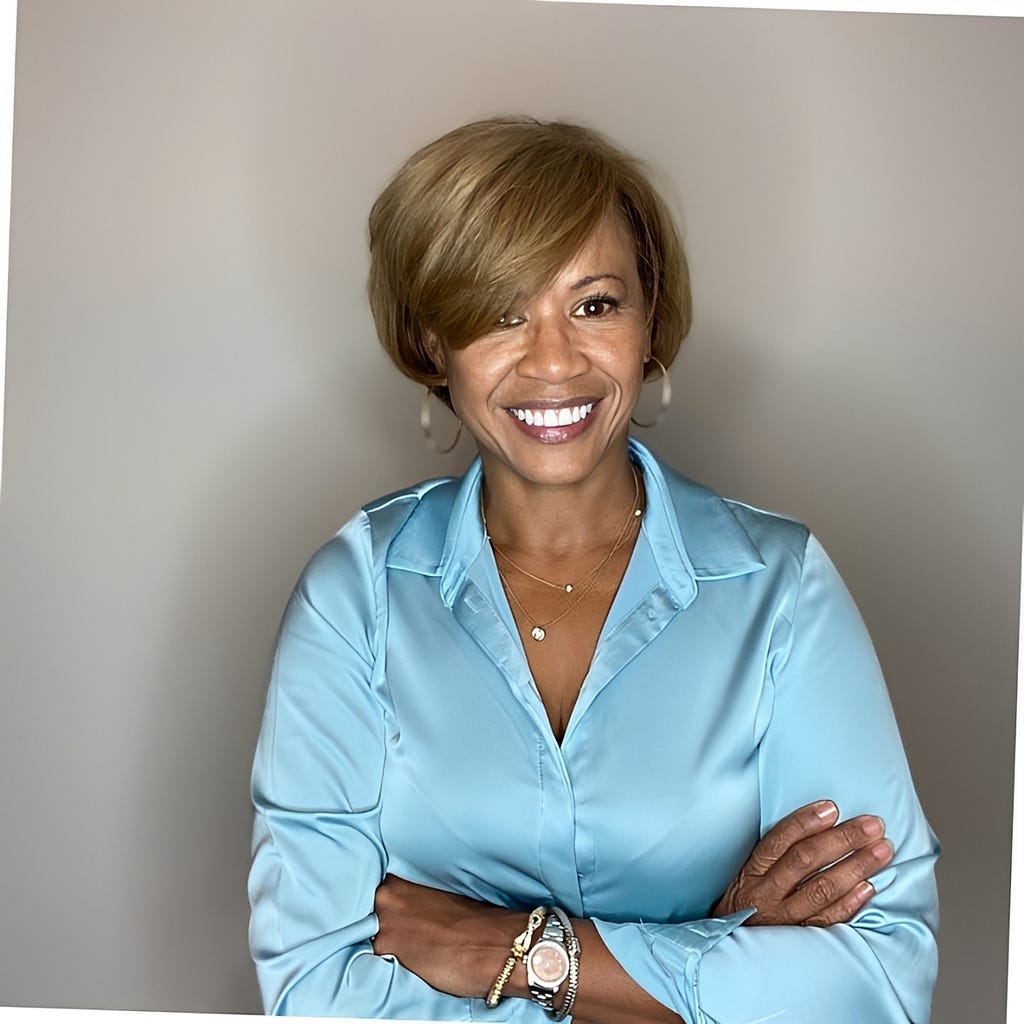
As a part of this series, we had the pleasure to interview Monica Scott.
Monica Scott is Vice President of Community Engagement for Bally’s Chicago, where she works to connect the development of Chicago’s first casino resort with opportunities for residents, businesses, and community organizations. With more than 35 years of experience across finance, marketing, entrepreneurial experience, business development, and community engagement — including more than 20 years in the gaming industry — she has built a career around connecting business objectives with people. Today, she is focused on creating lasting impact through workforce development, diverse supplier participation, and community partnerships.
Thank you so much for joining us in this interview series! Can you tell us a story about what brought you to this specific career path?
My career has never been a straight line, and that has been one of my greatest strengths. I started in finance and insurance, and my journey has included entrepreneurship, construction, sales, marketing, communications, and gaming.
The common thread has always been connecting people with opportunities. When Bally’s Chicago came along, I saw an opportunity to do more than help build a casino — we could help build careers, grow businesses, and create meaningful opportunities for Chicagoans. That made this chapter especially meaningful.
Can you share the most interesting story that happened to you since you began leading your company or organization?
The most interesting part has been watching Bally’s Chicago move from a promise on paper to something people can actually see and participate in.
You meet someone who discovered a new career through dealer school, watch a small business grow alongside us, support community organizations that also support our Team Members, and walk a construction site where hundreds of people are building what was once only a rendering.
Those moments remind me that economic development isn’t ultimately about buildings or numbers — it is about people.
It has been said that our mistakes can be our greatest teachers. Can you share a story about the funniest mistake you made when you were first starting? Can you tell us what lesson you learned from that?
Early in my career, every time I moved into a new industry or role, I somehow convinced myself I was starting over. I would walk into a new environment surrounded by people who knew the terminology, systems, and industry inside and out and think, “What have I gotten myself into?”
The funny part is that I eventually realized I wasn’t starting over at all. I was bringing everything I had learned with me. Finance taught me how to understand the numbers. Sales taught me how to listen. Construction taught me how to solve problems. Marketing taught me how to understand people. Each experience made me better prepared for the next one.
My mistake was thinking experience only counts when it comes from the same industry. I learned that some of your greatest strengths are transferable skills — you just have to recognize their value and have the confidence to use them in a new way.
Can you describe how you or your organization is making a significant social impact?
Bally’s Chicago has a unique opportunity because we are building a major destination while also building the workforce and business ecosystem that will support it.
Our River West resort will require thousands of Team Members, creating opportunities to introduce people to careers they may never have considered. We are equally intentional about connecting local and diverse businesses with procurement opportunities that can help them grow, hire, and compete for future business.
For me, the goal is bigger than writing checks. The question I continually ask is: How do we use the economic activity being created by this project to create sustainable opportunity for other people?
Can you tell us a story about a particular individual who was impacted or helped by your cause?
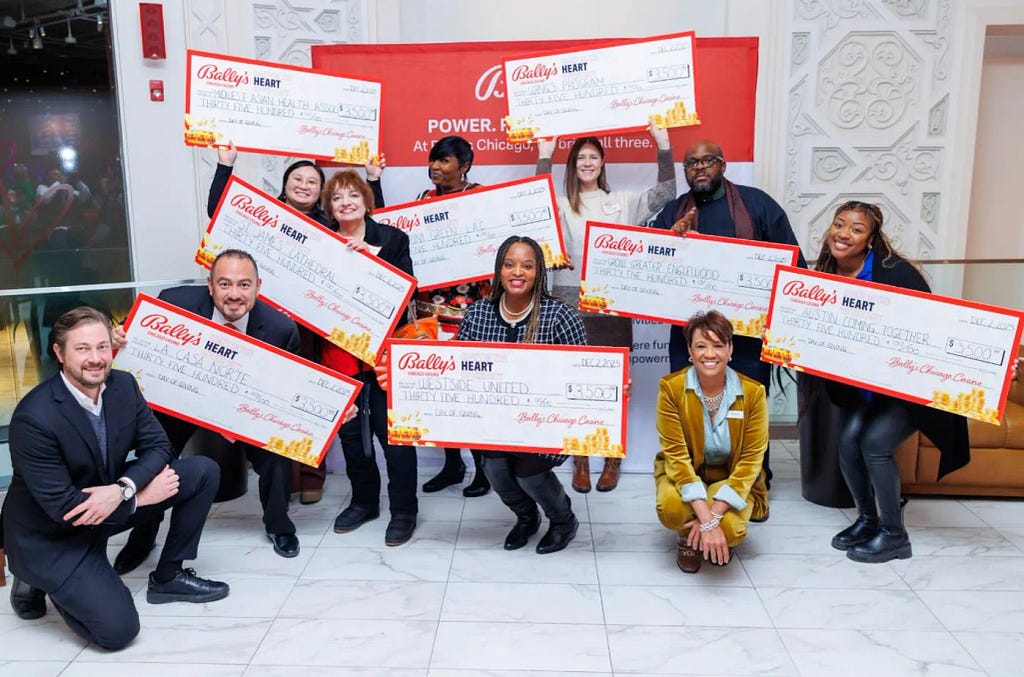
We support charitable organizations because strengthening our community ultimately serves everyone. But the impact becomes especially real when something unexpected happens and suddenly one of our own Team Members is the person in need.
In those moments, knowing the organizations and resources available allowed us to quickly connect that individual with meaningful support. It brought our community partnerships full circle — from organizations we support to organizations that are there for the community, including our own people, when they need it most.
It is a powerful reminder that circumstances can change for any of us at any moment. Knowing that the resources we invest in today may be there for any one of us tomorrow reinforces why supporting our community matters so much.
Are there three things the community/society/politicians can do to help you address the root of the problem you are trying to solve?
- Create opportunities for exposure. Being in the room matters. Exposure allows people to see possibilities, understand how to navigate unfamiliar environments, build relationships, and gain the confidence to pursue opportunities they may not have known existed.
- Take care of the least among us. A community is strongest when we make sure those with the greatest needs are not left behind. Creating opportunity should include removing barriers and ensuring people have access to the resources and support needed to move forward.
- Treat everyone with dignity. Regardless of someone’s title, income, background, or circumstances, everyone deserves to be seen, heard, and treated with respect. Dignity costs nothing, but it can have a tremendous impact on how people see themselves and what they believe is possible.
How do you define “Leadership”? Can you explain what you mean or give an example?
I define leadership as creating the conditions for other people to succeed.
Leadership isn’t a title, and it isn’t about being the smartest person in the room. It is about setting expectations, providing direction, removing barriers, holding people accountable, and then giving them enough trust and space to accomplish something.
I also believe great leaders recognize potential before people necessarily recognize it in themselves. Some of the best leaders in my career challenged me with assignments I wasn’t sure I was ready for. Their confidence forced me to stretch, and I try to do the same for others.
A successful leader shouldn’t be measured solely by what they personally accomplish, but also by how many capable people they develop along the way.
What are your “5 things I wish someone told me when I first started” and why. Please share a story or example for each.
1. Your attitude can be your greatest advantage. You can’t control every situation, but you can control the energy, effort, and attitude you bring to it. Be willing, stay curious, and approach challenges with a “we can figure this out” mindset. People remember the person who is willing to help find a way forward.
2. Build relationships before you need them. The strongest networks are built through genuine relationships, generosity, and helping others — not simply exchanging business cards. Some of the most valuable relationships in my career began long before either of us needed anything from the other.
3. Don’t wait until you feel completely ready. Some of the best opportunities arrive before you think you’re prepared. Apply for the position, accept the assignment, walk into the room, and grow into the opportunity.
4. Your reputation is built in the small moments. People remember whether you follow through, give credit, keep your word, and how you treat people regardless of their position. Your reputation isn’t built through one major accomplishment; it is built through hundreds of everyday interactions.
5. Success becomes more meaningful when you create opportunities for someone else. Helping someone get an interview, connecting a business owner to an opportunity, mentoring an emerging leader, or simply encouraging someone to believe they can do more can have an impact that lasts far beyond your own accomplishments. Eventually, success becomes less about how far you’ve climbed and more about how many people have greater opportunities because you were there.
Thank you so much for sharing these insights!
Social Impact Heroes: How Monica Scott Of Bally’s Chicago Is Helping To Change Our World was originally published in Authority Magazine on Medium, where people are continuing the conversation by highlighting and responding to this story.