

“Make adventure out of adversity.”
As a part of this series, we had the pleasure to interview Lori Beth Long.
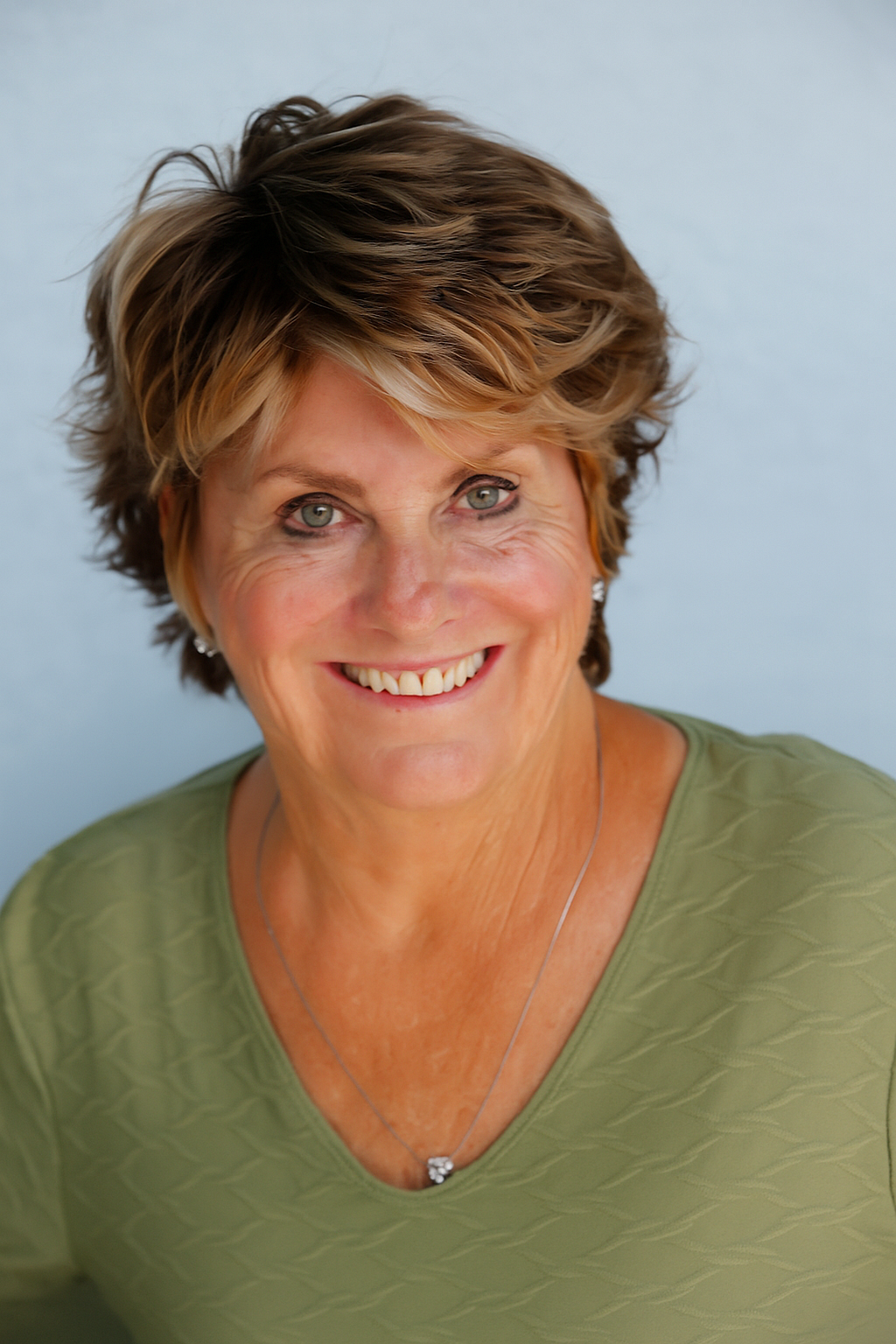
Lori Beth Long is a psychotherapist (Licensed Mental Health Counselor), corporate trainer and author living in South Florida. She earned her Bachelor of Arts degree in Writing and Philosophy from the University of Tampa and Master of Education in Counseling Psychology from the University of Virginia. Other than short stories and professional journal articles, “Bipolarized” is Lori’s first full-length book. She also wrote “Borderline,” a fiction book about borderline personality disorder.
Thank you so much for joining us in this interview series! Can you tell us a bit about your childhood backstory?
My childhood was shaped in part by my parents’ struggles with mental health. My father was diagnosed with bipolar disorder in his early forties, while my mother struggled with what I now understand to have been undiagnosed borderline personality disorder.
Those experiences eventually found their way into my writing. I wrote a memoir exploring bipolar disorder and a work of fiction centered on borderline personality disorder.
I’ve loved writing from an early age. In fact, I won a writing contest in the fourth grade, which was an early indication that writing would become an important part of my life.
I went on to study writing at the University of Tampa, where I was part of the first graduating class to complete all four years as a writing major in the university’s new writing program. I graduated in 1979.
When you were younger, was there a book that you read that inspired you to take action or changed your life? Can you share a story about that?
One book that had a profound influence on me was Siddhartha by Hermann Hesse. I first read it in high school, and it sparked my interest in Eastern religion and philosophy. What stayed with me most was Hesse’s idea that true wisdom and spiritual fulfillment come through our own lived experiences, rather than simply accepting dogma or inherited beliefs. We have tp experience both joy and suffering to truly understand ourselves and our lives.
That idea has stayed with me throughout my career. It inspired me to help people navigate life’s challenges and, in my own way, share some of the wisdom I found in Siddhartha. I still draw on some of those principles in my therapy sessions with clients, encouraging them to discover their own path toward understanding, growth, and fulfillment.
It has been said that our mistakes can be our greatest teachers. Can you share a story about the funniest mistake you made when you were first starting? Can you tell us what lesson you learned from that?
Many years ago, I taught DUI classes part-time (driving under the influence) in Palm Beach County. One time I was at a local outdoor concert with my husband. Coincidently, we sat next to one of my husband’s former students (he was a guidance counselor at a local high school). She offered to buy us an alcoholic beverage. At first we turned down the offer but then she mentioned that my husband had a significant influence on her attending college and she wanted to thank him for encouraging her to pursue her bachelor’s degree. She left and returned with three drinks, one for each of us. A few minutes later, her boyfriend arrived and she introduced us to him. He looked at me sipping my drink and said, “I know you. You’re Lori, my DUI instructor.” He was actually enrolled in the class I was currently teaching. I turned several shades of purple, knowing that he wasn’t allowed to drink and I was drinking a beverage with his girlfriend. “Well, I guess you’re not in recovery,” he said. “No, I’m not,” I said with a chuckle. Although I do not consider this to be a mistake, I learned to be careful with who I socialize with, especially when alcohol is involved.
Can you describe how you aim to make a significant social impact with your book?
My book is to teach people about both bipolar disorder and borderline personality disorder through my lived experiences written in my books. I grew up with a father who was diagnosed with bipolar disorder when he was in his 40’s. He spent many years struggling with mood swings where it impacted his career and relationships but he did not understand that he had a mental illness. When he was finally diagnosed and began to take lithium, he was able to find emotional and career stability. I had many other relatives with the disorder. When my 17-year-old son showed signs of the disorder with excessive spending, racing thoughts, pressured speech and the inability to sleep, I knew I needed to get him help. At 17, he didn’t want to be diagnosed and rejected the idea of medication. I spent 20 long years trying to get him help. Through my story, I want to help others who are struggling with the disorder or who have loved ones with the disorder. I hope they gain awareness and understanding and may even learn from my mistakes.
I believe I have expertise with this disorder through:
- Growing up with a father who had Bipolar disorder
- Helping numerous clients over 37 years with Bipolar disorder
- Raising a son with Bipolar disorder
Can you share with us the most interesting story that you shared in your book?
Several years ago, I had a dream where I was being engulfed by a tsunami with my death appearing imminent. When I awoke, I knew that it was symbolic for the onset of my son’s bipolar manic episode. It is a feeling of total helplessness and sometimes hopelessness. As I have worked with many clients who have loved ones with the disorder, I have shared my dream with them, and many can relate to the experience of having no control over manic behavior. My experience seems to help normalize clients’ challenges. This dream is what is illiustrateed on the Bipolarized book cover.
What was the “aha moment” or series of events that made you decide to bring your message to the greater world? Can you share a story about that?
I had a near death experience in December of 2019 when I was helping my son move. I stepped into his patio where I was covered by fire ants (also known as red ants). I had an anaphylactic reaction to the ants, hit the grass and went to heaven. I saw my mom and dad (they were divorced for 30 years but got together to visit me). They told me that they knew I was despondent about my son’s bipolar disorder and was feeling helpless but that I was “going to be okay.” They told me that I needed to write a book about my experience. When I opened my eyes and looked at the sky, I thought that the sky paled in comparison to the bright blue color of the sky in heaven. I stopped at a convenience store to buy Benadryl and continued the move. I began writing the book the following month.
Without sharing specific names, can you tell us a story about a particular individual who was impacted or helped by your cause?
I had a client who met the criteria for borderline personality disorder but was not convinced that she actually had the disorder. I emailed her the draft of my book Borderline. After she read it, she told me in our next session that she met the criteria and wanted to begin to work on changing some of her behaviors in therapy.
She said that she would not have believed that she had the disorder if she had not read the book and learned about the struggles of the main character. We focused on ways for her to make changes in her life and in her relationships and she even offered to help edit the book.
Are there three things the community/society/politicians can do to help you address the root of the problem you are trying to solve?
- Fund mental health programs — I have written grants and worked closely with our local Mental Health Association to reach and inform the community about mental illness. There are many uninsured people who need outpatient therapy, inpatient treatment and medication management. Funds need to be allocated for these services.
- Offer speaking engagements — There are many opportunities to speak at local clubs and organizations to educate the public about mental illness, including recognizing signs and symptoms of loved ones who may have a disorder. People also need to learn about resources to help a loved one receive the treatment they need, including how to pursue a Baker Act or Marchman Act.
- Training in schools — Workshops and presentations could be offered to students in middle schools and high schools. Students can become informed about ways to recognize someone with a mental illness and communicate with an adult who can assist in getting people into treatment. Reaching people at a younger age can make a significant impact.
How do you define “Leadership?” Can you explain what you mean or give an example?
I define leadership as the ability to guide, inspire and influence individuals or groups toward achieving common goals.
Persuasion and motivation are a part of effective leadership skills as well as building reliable relationships and credibility. As a psychotherapist, I provide leadership skills to clients by modeling effective communication strategies and conflict resolution. I believe leaders need to lead by example.
What are your “5 things I wish someone told me when I first started” and why? Please share a story or example for each.
1. You will make mistakes in life. The challenge is to learn from those mistakes and not repeat them. When I first became a psychotherapist, there were some mental illnesses I was not prepared to handle. For example, the first time I had a client with dissociative disorder (previously called multiple personality disorder), I had no idea how to help her. I referred her to clinical psychologist with experience in treatment DID.
2. Forgive yourself. Don’t dwell on the mistakes you make. Guilt and resentment are useless emotions. Learn and move on. This is EARTH SCHOOL. There have been many instances where I wished I had taken a different approach with a client or offered a suggestion that may have helped them with their challenges. I learned from that experience and became a better therapist as a result.
3. Writing is a lonely activity. I joined a group called “the writing room,” meeting authors around the world. They provided encouragement, support and many helpful ideas as I navigated my way through writing the first book.
4. Editing is the most difficult part of writing. Writing is a great way to be creative, to work through life challenges and is fun. For me, editing is torture but a necessary part of producing a book. I relied on many people to edit my books and learned that it was not advisable to be the only person doing the editing.
5. Never give up. It’s tempting to throw in the towel and not finish a writing project; however, it is a great feeling of accomplishment to complete a book (especially when receiving positive feedback from others). There were many days when I wanted to quit writing one of the books, but I took a break (sometimes a week or two) and then continued writing with a fresh start.
Can you please give us your favorite “Life Lesson Quote”? Can you share how that was relevant to you in your life?
“Make adventure out of adversity.” My father used to tell us that as we were growing up. I use this motto with clients.
It helps to reframe seemingly negative experiences and turn them into more positive learning opportunities.
Is there a person in the world or in the US with whom you would like to have a private breakfast or lunch with and why? He or she might just see this, especially if we tag them.
I would like to meet with Oprah Winfrey to discuss ways to change the way our society manages and addresses mental illness. I remember that Oprah was interested in mental health and believe she would be a valuable asset to provide necessary resources to help those with mental illness.
How can our readers further follow your work online?
Follow my work at www.loribethlong.com.
My books are available on Amazon at https://www.amazon.com/dp/B0G2GFCLK9?lv=shuf&channelId=500&plpRedirect=mhFallback
Thank you for sharing these insights!
Social Impact Authors: How & Why Author Lori Beth Long Is Helping To Change Our World was originally published in Authority Magazine on Medium, where people are continuing the conversation by highlighting and responding to this story.