


Neurodiversity in the Workforce: Aja Chavez Of Mission Prep Healthcare On Why It’s Important To Include Neurodiverse Employees & How To Make Your Workplace More Neuro-Inclusive
An Interview With Eric Pines
Imagine a world where mental health is treated with the same urgency and importance as physical health, where therapy, support systems, and resources are readily available and embedded into our daily lives. That’s the kind of change I would love to be a part of!
Research suggests that up to 15–20% of the U.S. population is neurodivergent. There has been a slow but vitally important rise in companies embracing neurodiversity. How can companies support neurodiversity in the workplace? What are some benefits of including neurodiverse employees? To address these questions, we are talking to successful business leaders who can share stories and insights from their experience about “Neurodiversity in the Workforce”. As a part of this series, we had the pleasure of interviewing Aja Chavez.
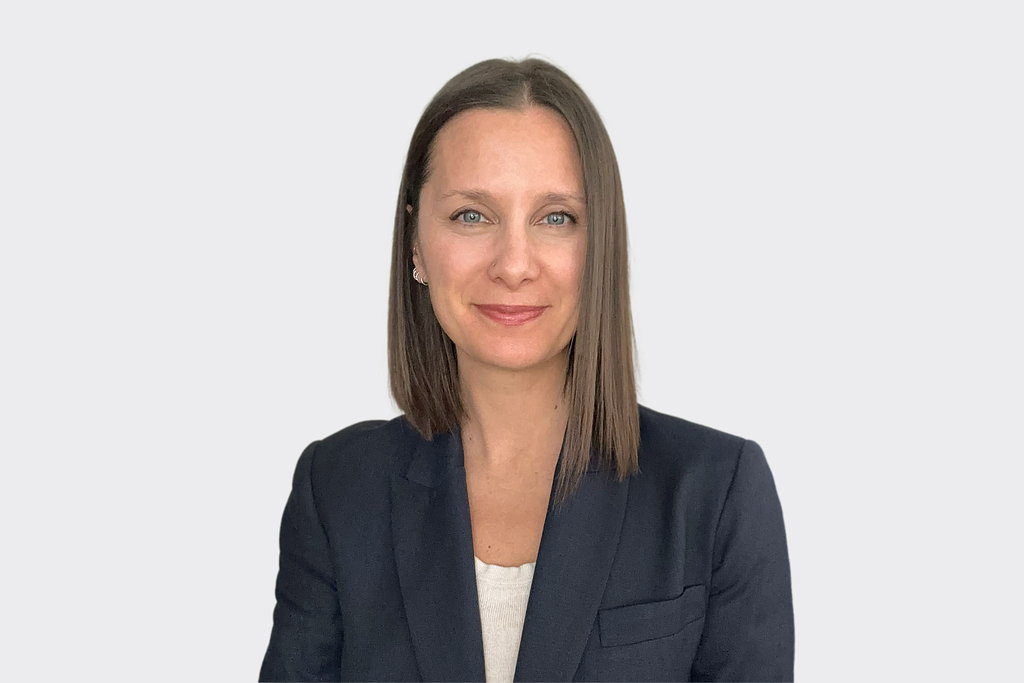
Aja Chavez is the Executive Director of Adolescent Services at Mission Prep Healthcare, where she leads the development and implementation of residential behavioral and mental health programs for adolescents. With a career rooted in education and mental health advocacy, she began as a residential and outpatient provider at Newport Academy in 2012, later establishing her private practice in 2016. An EMDR-trained Associate Marriage and Family Therapist (AMFT) and Associate Professional Clinical Counselor (APCC), Aja holds a Master’s in Counseling from California State University, Fullerton, and brings a wealth of experience, passion, and dedication to her work, residing in Southern California with her family.
Thank you so much for joining us in this interview series! Before we dive in, our readers would love to “get to know you” a bit better. Can you tell us a bit about your ‘backstory’ and how you ended up where you are?
Thank you for having me. My journey into mental health started through education. I originally earned my degree in education from The College of Saint Rose in Albany, New York, and began my career teaching. I loved working with youth, but I found myself increasingly drawn to their emotional lives, the struggles that impacted their ability to learn, connect, and thrive. That curiosity and concern led me to pursue a Master’s in Counseling from Cal State Fullerton. I’ve since worked in both outpatient and residential treatment settings and even opened a private practice. Ultimately, I found my home leading adolescent mental health programs, where I can blend clinical leadership, advocacy, and heart-centered care to support teens and their families during some of the most vulnerable moments of their lives.
You are a successful leader. Which three character traits do you think were most instrumental to your success? Can you please share a story or example for each?
Absolutely. The first is resilience. Working in mental health is deeply rewarding, but it’s also emotionally demanding. Early in my career, I remember supporting a teenager who had endured severe trauma. The healing process wasn’t linear, there were setbacks, but showing up consistently, even on the hard days, taught me the value of staying grounded and resilient. That resilience helps me now in leadership, especially when navigating complex decisions or crises.
The second is empathy. Whether I’m supporting a team member through burnout or advocating for a family’s needs, I lead with empathy. It’s the foundation of everything I do. I’ve seen how it changes work cultures and how it encourages open communication. It allows people to feel seen and valued, which is essential in a field like ours.
The third is adaptability. Every adolescent, family, and team member is unique. What works for one might not work for another. I’ve had to learn how to shift perspectives, try new strategies, and remain open to feedback. When COVID-19 hit, for example, our programs had to pivot quickly to ensure continuity of care and staff safety. Being flexible and solutions-focused helped us get through that time while still meeting our clients’ needs.
Can you share a story about one of your greatest work-related struggles? Can you share what you did to overcome it?
One of the biggest challenges I’ve faced was helping stabilize and restructure a struggling program I inherited a few years ago. Staff morale was low, systems were unclear, and burnout was high. It was clear that if we didn’t act quickly and strategically, we risked compromising the quality of care for our clients.
I started by listening, really listening, to the team. I met with staff one-on-one, asked for honest feedback, and tried to understand where the breakdowns were happening. We created new workflows, implemented stronger communication channels, and clarified job expectations. Most importantly, I focused on rebuilding trust. It didn’t happen overnight, but over time, people felt empowered again. Seeing that program evolve into a high-functioning, mission-driven team was one of the most rewarding moments of my career.
What are some of the most interesting or exciting projects you are working on now?
We’re currently expanding our adolescent residential services at AMFM, with a focus on trauma-informed care and integrated treatment models. We’re incorporating more experiential therapies like art, movement, and nature-based interventions. I’m also excited about our growing emphasis on family systems work, making sure that healing isn’t just happening at the individual level, but within the family unit as well.
Fantastic. Let’s now shift to our discussion about neurodiversity in the workforce. Can you tell our readers a bit about your experience working with initiatives to include neurodiverse employees? Can you share a story with us?
Certainly. At Mission Prep Healthcare, neurodiversity is not just something we advocate for in our clients, it’s something we actively support within our team. One of our standout moments was when we hired a clinician who disclosed being on the autism spectrum. We worked closely with him to create a structured, sensory-friendly workspace and adapted certain communication protocols.
He ended up being one of our most insightful team members, particularly with clients who were also neurodivergent. His ability to connect and empathize on a level that others sometimes couldn’t was a game changer, not just for the clients, but for our whole team’s understanding of inclusion.
This may be obvious to you, but it will be helpful to spell this out. Can you articulate to our readers a few reasons why it is so important for a business or organization to have an inclusive work culture?
An inclusive culture isn’t just a “nice to have”, it’s a must. When people feel seen, respected, and valued for who they are, they do better work. Period. For neurodiverse individuals, inclusion allows their strengths, like creative problem-solving, attention to detail, and emotional insight, to shine. It also sends a message to clients that we don’t just talk about compassion, we practice it internally.
Can you share a few examples of ideas that were implemented at your workplace to help include neurodiverse employees? Can you share with us how the work culture was affected as a result?
We offer alternative communication methods, like written check-ins for team members who prefer them over meetings.
Created structured routines and clear expectations, which reduce anxiety and increase job satisfaction.
Allowed flexible scheduling and quiet workspaces.
What are some of the challenges or obstacles to including neurodivergent employees? What needs to be done to address those obstacles?
One of the biggest challenges is unconscious bias. Many people still equate professionalism with neurotypical behavior, like making eye contact, participating in small talk, or presenting in a certain way.
We need more education and open conversations to shift those norms. Providing training, encouraging self-disclosure in a safe environment, and normalizing accommodations are key steps forward.
How do you and your organization educate yourselves and your teams on the concept of neurodiversity and the needs of neurodivergent employees? Are there any resources, training, or workshops that you have found particularly helpful?
We host trainings with organizations like the Neurodiversity Network and invite neurodivergent speakers to share lived experiences.
This is the main question of our interview. Can you please share five best practices that can make a business place feel more welcoming and inclusive of people who are neurodivergent? If you can, please share a few examples.
1. Normalize accommodations. Make it clear that accommodations are part of workplace wellness, not exceptions or favors.
2. Provide multiple communication formats. Not everyone thrives in meetings, offer written updates or asynchronous tools like Slack or Trello.
3. Offer flexibility in scheduling. Allow for staggered start times, remote work, or rest breaks during the day.
4. Be transparent with expectations. Clear instructions, goals, and feedback loops help reduce stress and uncertainty.
5. Foster a culture of psychological safety. Encourage questions, feedback, and disclosure by modeling vulnerability from leadership down.
Can you please give us your favorite “Life Lesson Quote”? Can you share a story about how that was relevant in your own life?
“People will forget what you said, people will forget what you did, but people will never forget how you made them feel.” by Maya Angelou.
This quote has guided me both personally and professionally. When I first started as a therapist, I worried about saying the “right” things. But over time, I learned that what matters most is presence. Just being with someone, showing up with empathy, and creating a safe space, that’s what people remember. That’s what heals.
You are a person of enormous influence. If you could inspire a movement that would bring the most amount of good to the most amount of people, what would that be? You never know what your idea can trigger. 🙂
If I could inspire a movement, it would be one centered around universal access to high-quality mental health care, particularly for adolescents and young adults. So many young people struggle in silence due to stigma, lack of access, or financial barriers. A movement that prioritizes early intervention, comprehensive care, and mental health education in schools and communities could change the trajectory of countless lives.
Imagine a world where mental health is treated with the same urgency and importance as physical health, where therapy, support systems, and resources are readily available and embedded into our daily lives. That’s the kind of change I would love to be a part of!
How can our readers further follow your work online?
You can follow me on LinkedIn or check out my company profile on the Mission Prep website.
This was very inspiring. Thank you so much for the time you spent with this. We wish you continued success and good health!
Thank you. It’s been an honor to share this space with you.
About the Interviewer: Eric L. Pines is a nationally recognized federal employment lawyer, mediator, and attorney business coach. He represents federal employees and acts as in-house counsel for over fifty thousand federal employees through his work as a federal employee labor union representative. A formal federal employee himself, Mr. Pines began his federal employment law career as in-house counsel for AFGE Local 1923 which is in Social Security Administration’s headquarters and is the largest federal union local in the world. He presently serves as AFGE 1923’s Chief Counsel as well as in-house counsel for all FEMA bargaining unit employees and numerous Department of Defense and Veteran Affairs unions.
While he and his firm specialize in representing federal employees from all federal agencies and in reference to virtually all federal employee matters, his firm has placed special attention on representing Veteran Affairs doctors and nurses hired under the authority of Title. He and his firm have a particular passion in representing disabled federal employees with their requests for medical and religious reasonable accommodations when those accommodations are warranted under the Rehabilitation Act of 1973 (ADA). He also represents them with their requests for Federal Employee Disability Retirement (OPM) when an accommodation would not be possible.
Mr. Pines has also served as a mediator for numerous federal agencies including serving a year as the Library of Congress’ in-house EEO Mediator. He has also served as an expert witness in federal court for federal employee matters. He has also worked as an EEO technical writer drafting hundreds of Final Agency Decisions for the federal sector.
Mr. Pines’ firm is headquartered in Houston, Texas and has offices in Baltimore, Maryland and Atlanta, Georgia. His first passion is his wife and five children. He plays classical and rock guitar and enjoys playing ice hockey, running, and biking. Please visit his websites at www.pinesfederal.com and www.toughinjurylawyers.com. He can also be reached at eric@pinesfederal.com.
Neurodiversity in the Workforce: Aja Chavez Of Mission Prep Healthcare On Why It’s Important To… was originally published in Authority Magazine on Medium, where people are continuing the conversation by highlighting and responding to this story.