


Impactful Communication: Illyasha Peete On 5 Essential Techniques for Becoming an Effective Communicator
An Interview With Athalia Monae
Lead with Clarity and Context
Don’t assume everyone shares the same understanding. Especially in high-pressure or politically charged environments, clarity prevents misinterpretation and reinforces your leadership voice. For example, when working with funders and donors, I’ve learned that some want detailed impact reports while others connect most with stories. Leading with clarity means tailoring the context so each audience can fully grasp the message without losing sight of its purpose.
In an age dominated by digital communication, the power of articulate and effective verbal communication cannot be understated. Whether it’s delivering a keynote address, leading a team meeting, or engaging in a one-on-one conversation, impactful speaking can open doors, inspire change, and create lasting impressions. But what truly sets apart an effective communicator? What techniques and nuances elevate a speech from mundane to memorable? As part of this series, we had the pleasure of interviewing Illyasha “Illy” Peete.
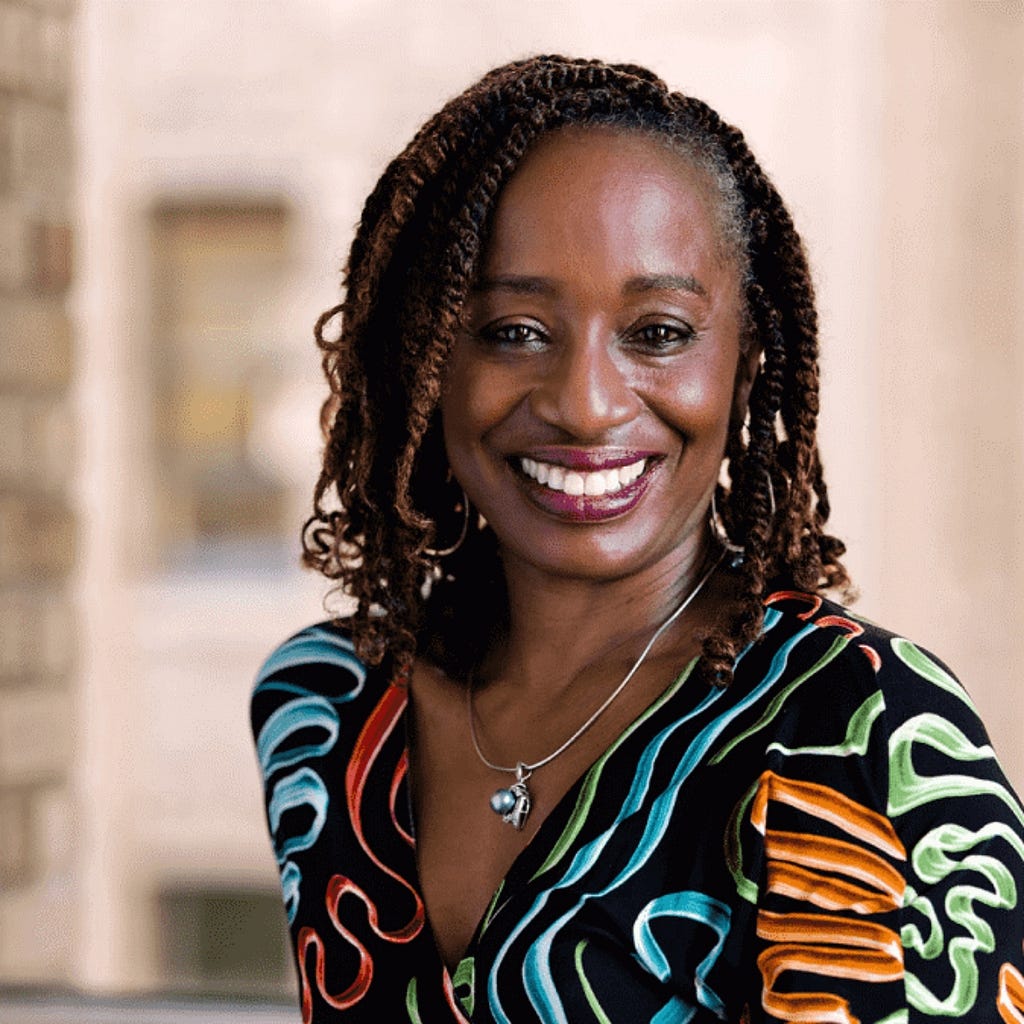
Illyasha “Illy” Peete, MBA, is a transformational leader, keynote speaker, leadership coach, and learning experience facilitator, as well as the author of Glass Ceilings, Fragile Ground. With over 30 years of experience, she is the Principal and CEO of Catalyze and Cultivate Consulting, where she helps leaders make the right call, speak with clarity, navigate difficult conversations, and build cultures where people flourish. Her philosophy is rooted in co-creating solutions with teams and leaders, because once you’ve seen one organization, you’ve truly only seen one. Her work has reached more than 10,000 leaders through tailored learning experiences and keynote addresses for organizations including Merck, Nasdaq, CalCPA, and PWN Publishers. Born in Memphis to civil rights activists, Illy continues a legacy of courage and conviction, guiding leaders to embrace their voice and build cultures of belonging and transformation.
Thank you so much for joining us in this interview series. Before we dive into our discussion about communication, our readers would love to “get to know you” a bit better. Can you share with us the backstory about what brought you to your specific career path?
I didn’t set out to become a consultant, speaker, or author; it really grew out of lived experience. My parents were both entrepreneurs, and each shaped the way I understood communication. My mom taught me stoicism, but also believed that “a spoonful of sugar helps the medicine go down”, that even hard truths can be shared with care. My dad, on the other hand, used humor as a way to say what needed to be said, no matter how difficult.
For a long time, I leaned heavily on that stoic side, believing strength meant holding things in. But over time, I became braver, learning that vulnerability can be just as powerful as composure, and that honesty lands best when it’s balanced with empathy and levity. Today, I’m known for being direct, but I also continue to reimagine and refine my communication style so that it not only conveys truth but also builds connection and trust.
Can you share the most interesting story that happened to you since you started your career?
One of the most telling parts of my journey came when I was a basketball referee. To score the big games, there was an unspoken expectation that I had to mask who I was by straightening my hair, managing my weight (more so than people identifying as male), and muting parts of myself so I’d be seen as “professional.” At the time, I thought it was just part of the role, but it was really about fitting into someone else’s mold.
That experience mirrors my professional life, where I’ve often been asked to code-switch or soften my voice to be accepted in spaces not designed for me. Sports taught me how to recognize those dynamics early and gave me the courage to tackle them head-on. Over time, I’ve learned that the most effective impact doesn’t come from masking; it comes from showing up fully as yourself while creating space for others to feel seen and valued, too.
You are a successful business leader. Which three character traits do you think were most instrumental to your success? Can you please share a story or example for each?
If I had to name the three-character traits most instrumental to my success, I would say they are the courage to Name the Elephant in the Room, the authenticity to Adapt Without Losing My Voice, and the commitment to Invite Co-Ownership of the Message.
Name the Elephant in the Room
Courage has been essential throughout my career. As I write in my book, “Representation without transformation is a fragile victory.” I’ve often been the one to surface unspoken concerns that others were avoiding. For example, during a board retreat, I identified equity and cultural tensions that were hindering the group’s progress. Once they were acknowledged, the team could finally move forward with honesty and alignment.
Adapt Without Losing My Voice
Authenticity has also been key. For years, I was encouraged to code-switch or soften my message to fit in. Over time, I realized the cost was too high. I’ve even left jobs that weren’t in alignment with my true self because staying meant not fighting for the voices I was meant to serve. Choosing authenticity, even when it required walking away, created space for me to do work that reflects my values and to lift up the voices that deserve to be heard.
Invite Co-Ownership of the Message
Finally, collaboration has shaped my approach. I represent more than just providing solutions; instead, I build them alongside the teams I work with. In my most recent eight-month cohort, that approach resulted in full engagement, 100% participation, and not a single absence. When people are invited to shape the message they buy into, show up, stay engaged, and drive the change forward.
How would you define an “Effective Communicator?” What are the characteristics of an effective communicator?
An effective communicator does more than simply sharing information; they create clarity, foster a sense of belonging, and motivate people to act in ways that help others show up as their most authentic selves. To me, the most effective communicators:
• Lead with Implicit Clarity and Context so their message is understood and not left open to misinterpretation.
• Listen Beyond the Words, tuning in to tone, body language, and what’s left unsaid.
• Name the Elephant in the Room instead of avoiding hard or uncomfortable truths.
• Adapt Without Losing Their Voice, tailoring delivery to the audience without masking who they are.
• Invite Co-Ownership of the Message, making space for others to see themselves reflected in it.
At its core, effective communication creates trust, sparks transformation, and builds space where people can stand fully in their authentic, liberated selves.
How can one tailor their communication style to different audiences or situations?
One of the most effective ways to tailor communication is to first recognize that people don’t all communicate the same way. We each have different styles, and when you understand those styles, you can adapt how you show up without losing your authenticity.
One of many examples I’ve seen is the framework from Bainum Training Services, which I appreciate because it’s practical, accessible, and easy to apply in everyday situations. It breaks communication down into four styles:
Direct: Decisive, fast-paced, focused on results.
Spirited: Animated, enthusiastic, expressive.
Considerate: Supportive, patient, relationship-oriented.
Systematic: Precise, detail-driven, structured.
What I like about this approach is that it doesn’t just label someone’s style; it offers ways to partner and work effectively with each one. For example, a “Systematic” communicator values precise details and structure, while a “Spirited” communicator responds best to energy and openness.
Of course, it’s important to remember that people are different, and no single framework captures the whole picture. These models are general; they don’t account for cultural customs, ethnicity, or other identity factors that also shape communication. Still, they’re a valuable guide that can point you in the right direction and encourage you to be more intentional about meeting people where they are.
Can you provide an example of a time when you had to adapt your communication style to reach a particular audience successfully?
This happens every single day, but one example that stands out is when I’ve worked with funders and donors. In those situations, tailoring the message is critical…knowing how they prefer to receive information can make the difference between them beginning a relationship with the organization or continuing to invest in its mission. Some want detailed impact reports and measurable outcomes, while others respond more to stories and lived experiences. The key is to read the audience, adjust the approach, and still stay true to the message.
How do you handle difficult or sensitive conversations while maintaining open and effective communication?
When I hire, I ask new team members to complete the communication styles assessment I mentioned earlier. From there, I also walk them through a set of questions during our first one-on-one. It helps me better understand their style and how they prefer to engage. For example, I ask: How do you like to be celebrated? How do you like to receive feedback? Those insights provide me with a roadmap to build trust, strengthen connections, and support them in meaningful ways.
In your experience, how does storytelling play a role in impactful speaking? Why do you think stories are effective in communication?
Storytelling is at the heart of impactful speaking because it transforms information into a human connection. Facts and figures may inform people, but stories move them. When I share my own experiences, including the missteps and moments of vulnerability, it does more than humanize me; it signals to others that they, too, can bring their full selves into the room.
Vulnerability in storytelling is an invitation. I’ve seen time and again that when a leader shares a real story, especially one that reveals struggle or growth, it permits others to do the same. That exchange fosters trust, deepens understanding, and cultivates the belonging that no slide deck or data set can achieve on its own.
That’s why stories are compelling in communication: they not only convey a message, but also open doors for empathy, reflection, and transformation.
What are your “5 Essential Techniques for Becoming an Effective Communicator”?
1. Lead with Clarity and Context
Don’t assume everyone shares the same understanding. Especially in high-pressure or politically charged environments, clarity prevents misinterpretation and reinforces your leadership voice. For example, when working with funders and donors, I’ve learned that some want detailed impact reports while others connect most with stories. Leading with clarity means tailoring the context so each audience can fully grasp the message without losing sight of its purpose.
2. Listen Beyond the Words
Listening is more than being silent; it’s noticing tone, body language, and what isn’t said. In one coaching session, a leader insisted “everything’s fine,” but their posture and tone told another story. By listening beyond the words, I opened the door to a deeper conversation that uncovered stressors impacting the whole team. Effective communication starts with hearing what’s said and what’s unsaid.
3. Name the Elephant in the Room
As I write in my book, “Representation without transformation is a fragile victory.” Avoiding tension doesn’t make it disappear; it erodes trust. During an executive leadership retreat, I identified the equity and culture dynamics that others had been sidestepping. It was uncomfortable, but the moment the truth was spoken, the group was finally able to move forward with honesty and alignment.
4. Adapt Without Losing Your Voice
In any given learning experience, participants are rarely at the same stage in their journey of inclusion and belonging. Some are just beginning to grapple with new ideas, while others are eager for a deeper dive. My role is to create a space where everyone can engage together, stretching those who need to be challenged, affirming those already moving forward, and uplifting everyone in the process. I adapt in real-time, but I strive to never lose my voice.
5. Invite Co-Ownership of the Message
When people feel part of the solution, they don’t just listen, they commit. I don’t bring in pre-packaged answers; I co-create solutions with the teams and leaders I work alongside. For example, during a strategic planning process with a housing organization, I facilitated sessions where staff, board members, and community voices all contributed to shaping priorities around equity, funding, and long-term sustainability. By the end, the strategy wasn’t simply a document — it became a roadmap grounded in their lived realities and collective aspirations. Because the plan outlined clear goals for expanding services and strengthening organizational culture, it belonged to everyone, not just to leadership. They championed it, carried it forward, and used it as a practical guide for both daily decisions and long-term growth.
How do you integrate non-verbal cues into your communication? Can you provide an example of its importance?
Non-verbal cues are often as powerful as the words themselves. I’m intentional about my body language and eye contact because they signal openness and confidence before I even speak. For example, during a board retreat, I noticed that participants were saying “yes” with their words while crossing their arms and leaning back. Reading those cues told me there were unspoken tensions in the room, so I paused and named it. That shift changed the experience for everyone, and the group was able to move forward more openly and with a stronger sense of connection.
How has digital communication changed the way you convey your messages? Are there any specific challenges or advantages you’ve encountered?
Digital communication has changed everything; in fact, it collapses geography and lets me connect with leaders around the world. The advantage is reach and access. The challenge is nuance: body language, energy, and even cultural customs and practices can easily get lost if you’re not intentional. Over time, I’ve gotten good at reading subtle cues; people often tell me, “How did you know I was thinking that, or ready to speak?” I’ve learned to be more intentional with pauses, facial expressions, and how I use my hands on camera. Emojis and reaction tools can help convey warmth or affirmation in a virtual setting, and platforms like LinkedIn have expanded the way I share messages and connect with audiences I might not otherwise reach. Community agreements also make a difference; they set expectations for how we show up online and create a shared foundation for belonging. It all takes extra effort, but it ensures that clarity, connection, and inclusivity come through digitally just as much as they do in person.
Public speaking is a common fear. What techniques or strategies do you recommend to manage and overcome stage fright?
Stage fright is real, even for seasoned speakers. I’ve learned that fear is a reminder that I’m ready, invested, and about to step into something meaningful. I experienced it before every game and every match, and I continue to feel it before stepping onto a stage or into a presentation.
My approach is to reframe it: nerves are energy, and energy can be redirected into focus, connection, and presence. I ground myself with deep breathing, then open with something that immediately engages the crowd, trusting the connection will carry forward from there. I also focus on storytelling because when you shift your attention from “performing” to connecting through story, the fear starts to fade. I let the energy of the audience guide me, and I’m not afraid to adjust my plan in the moment if that’s what will serve them best. Another strategy is to think in terms of talking points rather than reading from notes. It requires more preparation, but it frees you up to be fully present and responsive, rather than being tied to a particular script.
What additional resources do you recommend for individuals looking to improve communication skills?
Three resources I often recommend are:
• Practice in Community: Join organizations like Toastmasters or take facilitation workshops. Real-time practice builds confidence.
• Books & Podcasts: Titles like Talk Like TED or podcasts on leadership and storytelling can spark new ideas.
• Coaching & Feedback: Meaningful growth stems from feedback you can trust. Even a quick self-recording, paired with reflection and guidance from a mentor, can accelerate your development as a communicator.
Ultimately, the best resource is intentionality. Communication is a skill to be cultivated…be brave!
If you could start a movement that would bring the most amount of good to the most amount of people, what would that be?
If I could start a movement, it would be one centered on radical belonging, creating a movement where people not only feel included but where they can stand fully in their authentic, liberated selves. Too often, systems invite people in but ask them to shrink, mask, or conform once they arrive. My movement would flip that, creating spaces where differences are celebrated and where every voice is not only heard but valued.
Imagine what could happen if belonging were the norm: more honest conversations, stronger communities, and leaders who no longer waste energy trying to fit into someone else’s definition of success but instead channel it into building, creating, and transforming. That’s the kind of ripple effect I want to see: a movement that helps people reclaim their voice and power, and in doing so, shifts entire cultures.
How can our readers further follow you online?
Readers can connect with me on LinkedIn at linkedin.com/in/illyashapeete, visit my website at catalyzeandcultivateconsulting.com where you’ll find my book Glass Ceilings, Fragile Ground and a downloadable supporting workbook, or follow me on Instagram at @catalyzecultivate. I regularly post insights on leadership, belonging, and cultural transformation across these platforms.
Thank you for the time you spent sharing these fantastic insights. We wish you only continued success in your great work!
Impactful Communication: Illyasha Peete On 5 Essential Techniques for Becoming an Effective… was originally published in Authority Magazine on Medium, where people are continuing the conversation by highlighting and responding to this story.