

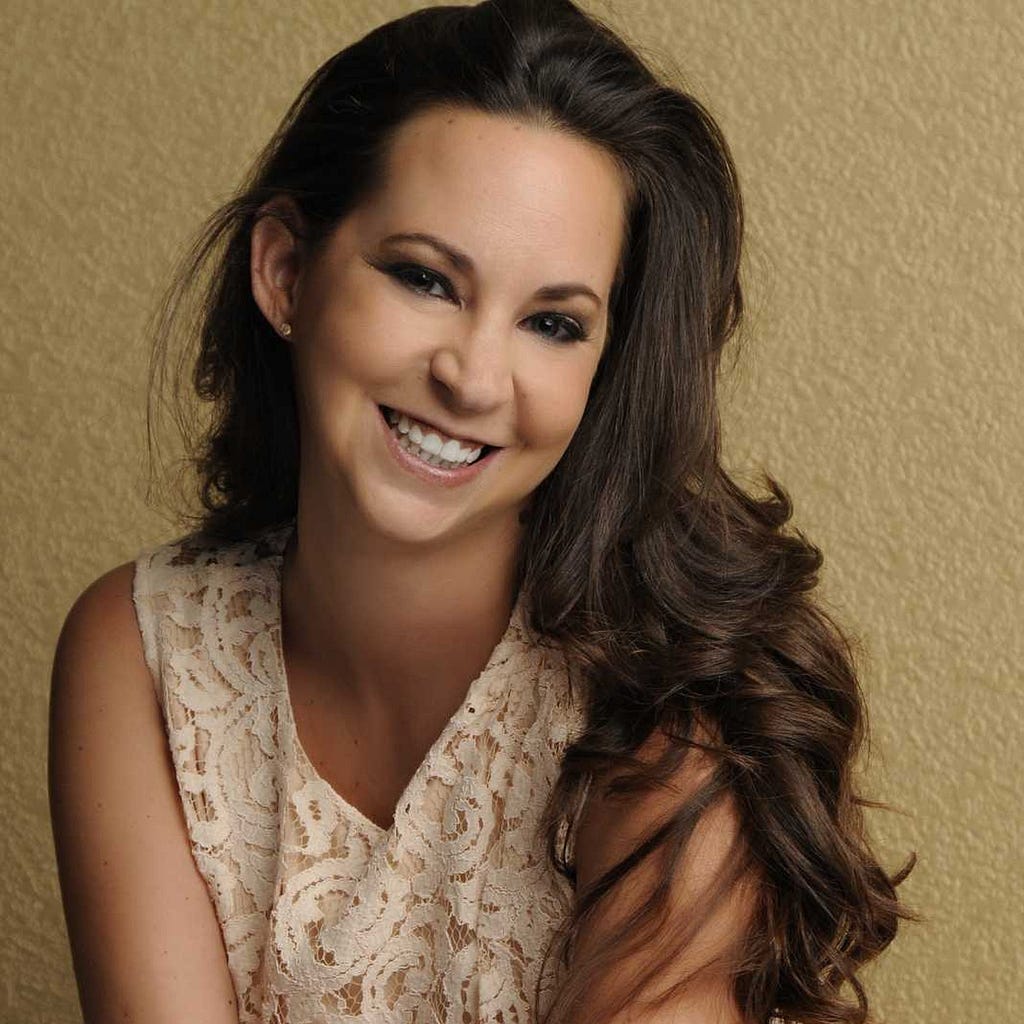
High Impact Philanthropy: Erica Herman of Voices for Children of Broward County On How To Leave A Lasting Legacy With A Successful & Effective Nonprofit Organization
The greatest legacy any nonprofit can leave is not the programs it created, but the lives it helped change.
As a part of this series, we had the pleasure to interview Erica Herman.
Erica Herman is the President & CEO of Voices for Children of Broward County, a nonprofit organization dedicated to ensuring that children in foster care have the resources, support, and opportunities they need to thrive. Over the past 12 years, she has helped guide the organization’s growth by diversifying revenue, expanding programs, strengthening community partnerships, and building a responsive safety net for children and caregivers throughout Broward County. Her work is rooted in the belief that every child deserves stability, dignity, and the chance to see what is possible for their future.
Thank you so much for joining us in this interview series! Can you please tell us about one or two life experiences that most shaped who you are today?
One experience that shaped me was realizing that the path you envision for yourself is not always the path you ultimately take. Growing up, I always knew I wanted to work in the social services field. I was drawn to helping people navigate challenges and advocating for those who needed support. For a long time, I thought that path would lead me to a career in law.
While my journey ultimately took a different direction, it taught me one of the most important lessons of my life: resilience. Sometimes the greatest growth comes from adapting, reevaluating, and being willing to embrace opportunities you never expected. Looking back, I can see that every step, even the ones that did not go according to plan, helped prepare me for the work I do today.
Another experience that has shaped me is the opportunity to work alongside children in foster care for the past 12 years. I have had the privilege of watching some of the same young people grow from childhood into adulthood, celebrating their successes and supporting them through challenges along the way. Those relationships have taught me more than any leadership book or professional training ever could. They have reinforced the importance of consistency, compassion, and showing up for people over time. They remind me every day that even small investments in a child can help shape how they see themselves, their future, and what is possible.
You are a successful leader. Which three character traits do you think were most instrumental to your success? We would love to hear a few stories or examples.
I would say collaboration, creativity, and adaptability have been the most instrumental to my success.
Collaboration has shaped every stage of my career. No meaningful change happens alone. Some of the accomplishments I am most proud of at Voices have been the result of active listening and strong partnerships with our Board of Directors, community partners, donors, caregivers, and child welfare professionals. One of the lessons I learned early on was that sustainable impact is created when organizations work together, recognize one another’s strengths, and stay focused on a shared goal rather than individual recognition.
Creativity has also been essential. In the nonprofit sector, there is rarely a perfect roadmap for solving complex challenges, and we are often asked to do a lot with limited resources. That requires us to think differently, identify opportunities others may not see, and find innovative ways to connect resources with needs. Whether it is developing new programs, creating partnerships, diversifying revenue, or finding solutions to meet the unique needs of a child or caregiver, creativity has allowed us to build something stronger and more responsive over time.
Adaptability has been equally important. My career has not followed the exact path I originally envisioned, and the growth of Voices has required flexibility at every stage. Community needs change, funding priorities shift, and new challenges emerge. Being willing to adjust, evolve, and embrace new opportunities has allowed me to continue growing as a leader while ensuring that our work remains responsive and relevant to the children and families we serve.
Together, these traits have shaped not only how I lead but also how I approach challenges, relationships, and opportunities for growth.
What’s the most interesting discovery you’ve made since you started leading your organization?
One of the most interesting discoveries I have made since leading Voices is that the best solutions often come from listening rather than assuming.
Early in my career, I thought that if you worked in the field long enough, you would know what children and families needed. What I have learned is that every situation is different, and the people living the experience often have the clearest understanding of what will make a meaningful difference.
Some of our most effective programs and initiatives have been shaped by listening to children, caregivers, and our community partners. By taking the time to understand their experiences, we are able to respond in ways that are more thoughtful, relevant, and impactful.
That lesson has influenced how I approach both leadership and philanthropy. Meaningful impact is not created by deciding what people need. It comes from listening, building trust, and working alongside the people you are trying to serve. When you do that, you often discover opportunities and solutions that you would never have identified on your own.
Can you please tell our readers more about how you or your organization intends to make a significant social impact?
Our goal is to create a lasting impact by ensuring that children in foster care have the resources, support, and opportunities they need to thrive, both today and in the future.
We do this by addressing immediate needs while also investing in long-term stability and opportunity. Whether it is providing essential resources, supporting youth as they transition into adulthood, or creating experiences that allow children to simply be kids, our focus is on helping children build a strong foundation for the future.
We also recognize that meaningful social impact is not created by a single organization. It requires strong partnerships, engaged communities, and a shared commitment to supporting children and families. That is why we continue to invest in collaboration, strengthen relationships across the child welfare system, and create opportunities for the community to be part of the solution.
Looking ahead, we intend to continue evolving alongside the needs of the children we serve. We want to remain responsive, fill gaps where they exist, and ensure that no child in foster care feels overlooked. If we can help more children experience stability, build confidence, pursue their goals, and see possibilities for their future, then we are creating the kind of impact that extends far beyond a single program or service.
At the end of the day, our vision is simple: we want every child we serve to know they are supported, valued, and capable of achieving great things.
What makes you feel passionate about this cause more than any other?
What makes this cause so meaningful to me is that children do not choose the circumstances that bring them into foster care. They are navigating situations that are entirely outside of their control, yet those experiences can have a profound impact on their lives.
I believe every child deserves the opportunity to feel safe, supported, and hopeful about their future, regardless of the challenges they have faced. That belief has guided my career and continues to motivate me every day.
What keeps me connected to this work are the children themselves. Over the past 12 years, I have had the privilege of watching young people overcome obstacles, achieve milestones, and grow into confident and capable adults. I have seen firsthand how the right support at the right time can change the trajectory of a child’s life.
For me, this work is about more than meeting immediate needs. It is about helping children see what is possible for their future and ensuring they know they are not alone. Being a small part of that journey is both a privilege and a responsibility, and it is what continues to inspire me after all these years.
Without naming names, could you share a story about an individual who benefitted from your initiatives?
One young woman immediately comes to mind. I met her when she entered foster care at just seven years old, and today she is 18 and preparing for the next chapter of her life. Having the opportunity to know and support a child over so many years has been one of the greatest privileges of my career.
Throughout her journey, our role has changed as her needs have changed. We have helped provide essential items, celebrated milestones, and made sure she could maintain visits with her younger brother, who lives in another part of the state, because preserving that sibling relationship has always been important. As she grew older, we continued to support her as she prepared for adulthood and pursued her goals.
One of the moments that will always stay with me was her high school graduation. After everything she had overcome to reach that milestone, there were very few people there to celebrate with her. Our team showed up because we wanted her to know that she mattered, that someone was proud of her, and that she was not alone.
Today, she is living independently, working, and preparing to begin college. We continue to stay connected because our investment in a child does not end with a single need or milestone. Watching her grow from a seven-year-old little girl into a remarkable young woman has been an incredible reminder of why this work matters. It is also a reminder that sometimes the most meaningful thing you can give a child is the assurance that someone will continue to show up, year after year.
We all want to help and to live a life of purpose. What are three actions anyone could take to help address the root cause of the problem you’re trying to solve?
I think it starts with recognizing that every one of us has a role to play in creating stronger, healthier communities for children and families. While the challenges that lead children into foster care are complex, there are meaningful ways everyone can make a difference.
First, invest in children and families early. Whether it is supporting nonprofits, mentoring a young person, volunteering, or helping a family in your own community, early support can make a lasting difference. Strong communities help create stronger families, and early support can prevent challenges from becoming crises.
Second, listen before assuming you know what someone needs. One of the most valuable lessons I have learned is that meaningful support starts with listening. Every child and every family has a different story, and the most effective solutions come from understanding their unique experiences rather than making assumptions.
Finally, help create a community where every child feels seen and valued. That can be as simple as advocating for children, supporting caregivers, becoming a foster parent, volunteering your time, or investing in organizations that serve vulnerable youth. When children know that people believe in them and are willing to show up consistently, it can have a lasting impact on how they see themselves and what they believe is possible for their future.
Lasting change happens when we all recognize that supporting children is not the responsibility of one person or one organization. It is a shared responsibility, and every act of kindness, service, and investment helps build a stronger future for the next generation.
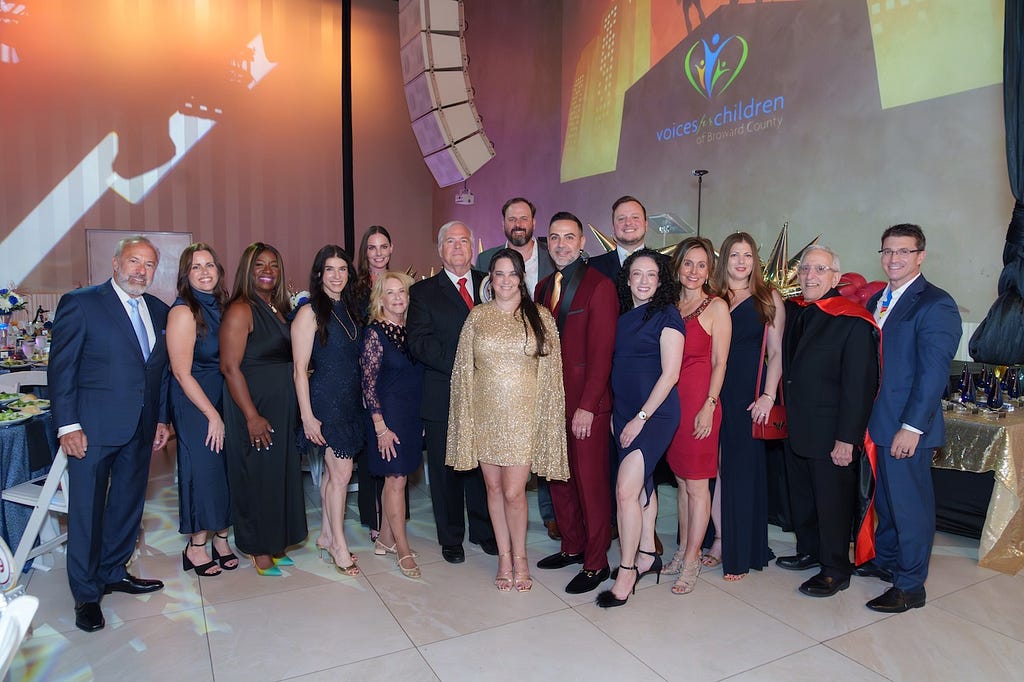
Based on your experience, what are the “5 Things You Need To Create A Successful & Effective Nonprofit That Leaves A Lasting Legacy?” Please share a story or example for each.
If there is one thing I have learned over the past 12 years, it is that lasting impact is not created overnight. It is built intentionally, one relationship, one decision, and one child at a time. These are the five lessons that have guided my leadership.
1. Stay relentlessly focused on your mission.
As organizations grow, it is easy to be pulled in different directions. We have always been intentional about staying focused on children in foster care. There have been opportunities to expand beyond that mission, but remaining clear about who we serve has allowed us to build deeper expertise, stronger partnerships, and greater impact.
2. Listen before you lead.
One of the most valuable lessons I have learned is that the best ideas rarely come from sitting behind a desk. They come from listening to children, caregivers, case managers, judges, community partners, and our team. Some of our most meaningful programs have evolved because we took the time to understand what people truly needed instead of assuming we already knew the answer.
3. Build partnerships, not silos.
No nonprofit can solve complex challenges alone. One of the reasons Voices has grown is that we have always viewed ourselves as part of a larger network of care. We intentionally work alongside the lead agency, the courts, caregivers, and community organizations, focusing on collaboration rather than duplication. When organizations trust one another and work toward a shared goal, children benefit.
4. Be willing to evolve.
The needs of children and families change, and nonprofits have to be willing to change with them. Over the years, we have expanded our programs, diversified our revenue, strengthened our presence within the dependency courts, and created new ways to support children as their needs have evolved. Staying true to your mission does not mean staying the same. It means being willing to grow while remaining grounded in your purpose.
5. Invest in people, not just programs.
Programs are important, but people create a lasting impact. That means investing in your staff, empowering your board, valuing volunteers, and building genuine relationships with donors and community partners. Most importantly, it means investing in the children you serve. Some of the young people I met when they first entered foster care are now graduating high school, attending college, and beginning careers. Watching those journeys unfold has reinforced that the greatest legacy any nonprofit can leave is not the programs it created, but the lives it helped change.
How has the pandemic changed your definition of success?
The pandemic reinforced something I had been learning throughout my career: success is not measured by how busy you are or how many boxes you check. It is measured by the impact you have on the people you serve and your ability to adapt when circumstances change.
During the pandemic, we had to change the way we delivered our programs almost overnight. The needs of children and caregivers shifted, access to resources became more difficult, and the usual ways of doing things no longer worked. We had to be creative, flexible, innovative, and nimble in order to continue serving children and families during a time of great uncertainty.
That experience changed the way I think about impact. It reminded me that effective leadership is not about having every answer in advance. It is about listening, adjusting, and being willing to move with the needs of the community. Many of the lessons we learned during the pandemic have stayed with us, especially the importance of being responsive and finding new ways to meet people where they are.
Today, my definition of success is much simpler than it once was. It is about creating meaningful impact, building an organization that can adapt to changing needs, and ensuring that children and families know they have a community that will continue to show up for them, even during the most challenging times.
How do you get inspired after an inevitable setback?
I have learned that setbacks are part of leading any organization, especially in the nonprofit sector. Whether it is a funding opportunity that does not come through, a program that needs to be reimagined, or a challenge you did not anticipate, I try to view setbacks as opportunities to learn rather than reasons to stop.
When I face a setback, I take a step back, reflect on what happened, and ask myself what we can do differently. I lean on my team, my Board of Directors, and trusted colleagues because I have learned that some of the best ideas come from collaboration and different perspectives. I also remind myself to stay focused on the mission. When your work is centered on serving children and families, it becomes easier to keep moving forward because the need does not disappear simply because something did not go according to plan.
More than anything, I find inspiration in the children we serve. Watching young people overcome obstacles that most of us could never imagine reminds me why this work matters and why it is always worth finding another path forward.
We are very blessed that very prominent leaders read this column. Is there a person in the world who you would like to talk to, to share the idea behind your non-profit? He, she, or they might just see this, especially if we tag them.
There are three people who immediately come to mind.
Bam Adebayo because of his commitment to investing in young people and giving back to the South Florida community. I admire how he has used his platform to create opportunities for youth, and I believe he understands the importance of helping children see what is possible for their future.
Ken Griffin because of his extraordinary commitment to philanthropy and his willingness to invest in initiatives that create lasting impact. I would welcome the opportunity to share how strategic investments in children in foster care can strengthen not only individual lives, but entire communities.
Melinda French Gates because of her lifelong commitment to expanding opportunity and improving outcomes for women and children. I admire her thoughtful approach to philanthropy and her belief that lasting change comes from investing in people, partnerships, and communities.
You’re doing important work. How can our readers follow your progress online?
You can learn more about our programs, upcoming events, and ways to get involved at:
Website: https://voicesbroward.org
Facebook: https://www.facebook.com/VoicesBroward
Instagram: https://www.instagram.com/browardvoices
LinkedIn: https://www.linkedin.com/company/voices-for-children-of-broward-county
We regularly share stories of impact, upcoming events, and opportunities to help children in foster care thrive.
Thank you so much for the time, for the insights, and for the work you do. We are very inspired!
High Impact Philanthropy: Erica Herman of Voices for Children of Broward County On How To Leave A… was originally published in Authority Magazine on Medium, where people are continuing the conversation by highlighting and responding to this story.