

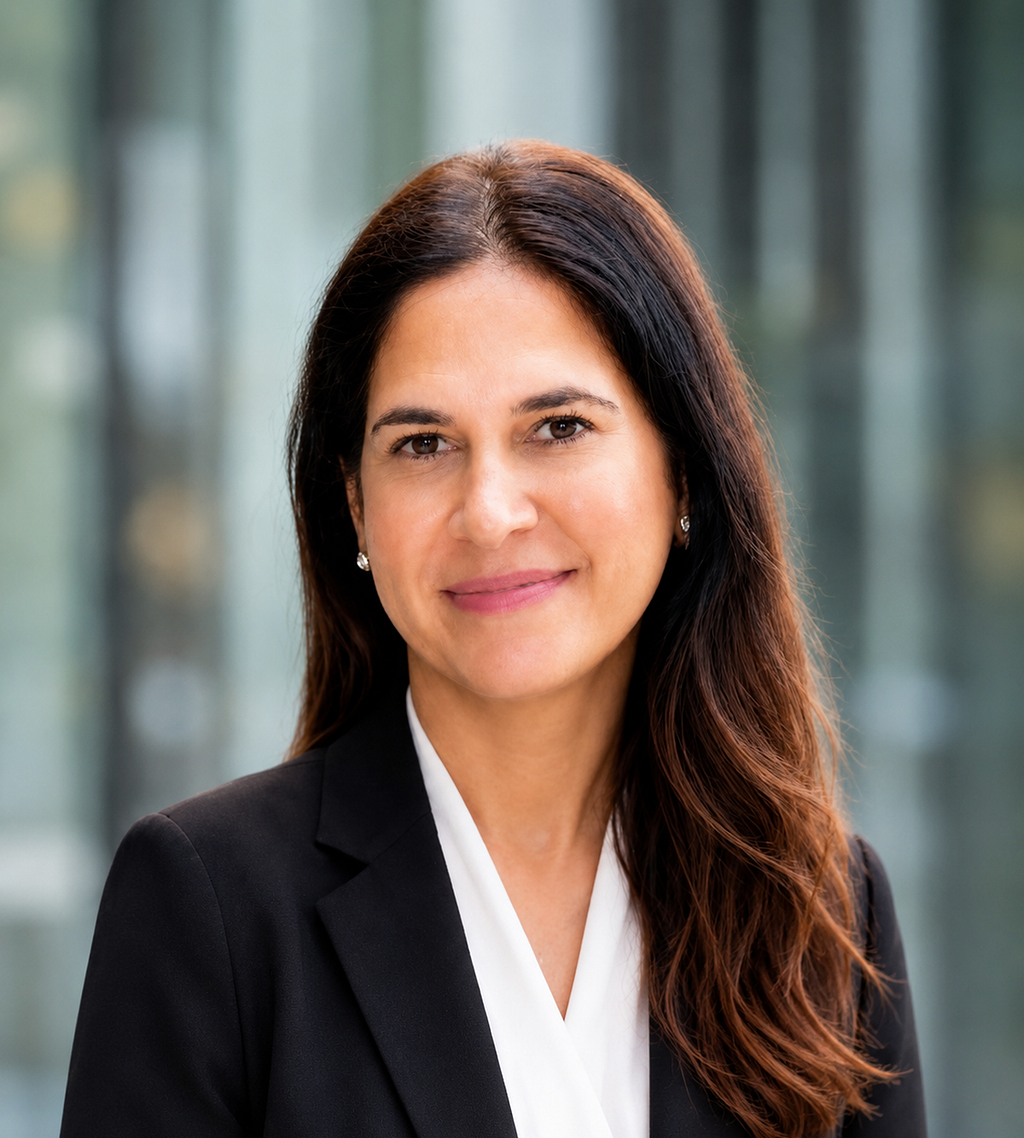
Heroes Of The Homeless Crisis: How Pooja Bhalla of Illumination Health + Home Is Helping To Support Some Of The Most Vulnerable People In Our Communities
A life of purpose isn’t measured by what you accumulate, but by the lives you help transform.
As a part of our series about “Heroes Of The Homeless Crisis” I had the pleasure of interviewing Pooja Bhalla.
Dr. Pooja Bhalla is a national leader in healthcare innovation and health equity and serves as Chief Executive Officer of Illumination Health + Home (Illumination), where she has built one of the country’s most integrated care models for seniors, youth and families, and medically frail individuals experiencing homelessness. She led the development of the nation’s first recuperative care program dedicated to children and families, expanded onsite medical and behavioral health services, and established strategic partnerships with regional hospitals and health systems to improve care for high-risk populations. Under her leadership, Illumination has expanded across Orange County, Los Angeles County, and the Inland Empire, delivering an integrated system of housing, medical care, behavioral health, and supportive services to improve outcomes for medically and socially vulnerable communities.
Thank you so much for joining us in this interview series! Our readers would love to ‘get to know you’ a bit better. Can you tell us a bit about your personal background, and how you grew up?
I grew up in a family that valued education, hard work, and service to the community. Those values shaped my foundation, but so did early responsibility. At 15, I entered the workforce because contributing to my family was important. That experience instilled independence, resilience, and a strong work ethic that has stayed with me throughout my career.
As I moved through different stages of life, I also learned what it means to intentionally build community and belonging. That experience gave me a lasting appreciation for the power of connection, and it reinforced my belief that dignity, support, and inclusion are essential to every person’s well-being.
I was fortunate to build my career in healthcare, where I quickly came to understand that improving outcomes requires looking beyond clinical needs and addressing the broader social drivers of health. Over the past 30 years, I have dedicated my work to building organizations and systems that support individuals experiencing homelessness and other vulnerable populations.
Over time, this work became far more than a career. It became part of our family life. Since our children were young, they have grown up alongside this mission, often volunteering in the community and witnessing firsthand the importance of service. Today, it is deeply meaningful to see both pursuing careers in healthcare, carrying forward those same values of compassion and service. I am grateful for the unwavering support of my husband and children, and for the shared commitment to purpose and community that continues to shape our lives.
Today, as CEO of Illumination Health + Home (Illumination), I lead an extraordinary team focused on delivering integrated healthcare, housing, and supportive services with dignity, compassion, and innovation.
Is there a particular story or incident that inspired you to get involved in your work helping people who are homeless?
Early in my healthcare career, I saw how often individuals stabilized medically in the hospital but had nowhere safe to continue healing. That experience fundamentally changed how I viewed healthcare and led me to understand that health outcomes are deeply shaped by housing stability, behavioral health, and access to social supports.
One story has stayed with me throughout my career. A 24-year-old single mother came into our children’s recuperative care program with her 10-month-old baby, who was sick. She arrived medically vulnerable, without access to her own medications, and completely alone in terms of support. Our team focused on stabilizing both mother and child, ensuring the baby received care while addressing her own immediate healthcare needs.
Over time, she began to regain stability and a sense of possibility. What stayed with me most was not only her recovery, but the moment she began to feel seen again, not as a case, but as a mother with a future.
That story crystallized something I now build every program around: healthcare cannot stop at the hospital doors. If we want people to truly recover, we must address the circumstances surrounding their health. That belief has guided my work ever since.
Homelessness has been a problem for a long time in the United States. But it seems that it has gotten a lot worse over the past five years, particularly in the large cities, such as Los Angeles, New York, Seattle, and San Francisco. Can you explain to our readers what brought us to this place? Where did this crisis come from?
Homelessness is the result of multiple systems failing at once rather than a single cause. The lack of affordable housing, rising cost of living, gaps in healthcare access, and economic instability all contribute. It is not simply a housing issue, but a systems issue that requires coordinated solutions across sectors.
The California Statewide Study of People Experiencing Homelessness, conducted by the UCSF Benioff Homelessness and Housing Initiative, reinforced what many of us working in this field see every day. People are often pushed into homelessness by economic pressures, including the loss of income and the inability to afford housing, rather than the stereotypes that tend to dominate the public conversation. Mental health and substance use can certainly be contributing factors for some individuals, but they do not tell the full story. When housing costs continue to rise faster than people’s incomes and there are not enough affordable options available, a job loss, medical emergency, family disruption, or other setback can quickly become a housing crisis.
When we understand homelessness through that broader lens, we can begin developing solutions that address the root causes, strengthen prevention, and help people remain stably housed rather than only responding after they have entered homelessness.
A question that many people who are not familiar with the intricacies of this problem ask is, “Why don’t homeless people just move to a city that has cheaper housing?” How do you answer this question?
While it may seem logical on the surface, it is not realistic for most people experiencing homelessness. The vast majority of people experiencing homelessness in California are Californians. They grew up here, their families are here, their healthcare providers are here, and their support networks are here.
For many, leaving would mean giving up the very relationships that help them remain connected and eventually regain stability. Think about an older adult who has spent decades in one community. Their doctors, neighbors, faith community, and family are all nearby. Simply relocating to another state isn’t a practical solution.
The issue isn’t that people refuse to move. It’s that housing has become increasingly unaffordable in the communities they already call home.
If someone passes a homeless person on the street, what is the best way to help them?
The most important step is to recognize our shared humanity. Treating people with dignity, even in brief interactions, can have a meaningful impact. Beyond that moment, the most effective way to help is by supporting organizations doing the work — whether that means volunteering time or donating directly.
What is the best way to respond if a homeless person asks for money for rent or gas?
There is no single correct response, and people should act according to their own comfort and judgment. Some choose to offer direct assistance such as food or transportation, while others prefer to support organizations that provide comprehensive services.
Can you describe to our readers how your work is making an impact battling this crisis?
At Illumination Health + Home, we focus on addressing the full spectrum of needs — medical, behavioral, and social. Today, we are one of the largest organizations of our kind in Southern California and the largest provider of family emergency housing in Orange County, serving thousands of adults, children, and seniors each year.
One of the accomplishments I am most proud of is helping pioneer recuperative care in Orange County. In 2011, Illumination launched the County’s first recuperative care program, helping establish a model that has since expanded across California. We also developed the nation’s first children’s recuperative care program, ensuring families with medically vulnerable children have a safe place to heal together.
Beyond caring for individuals, we have worked to improve the system itself. Our research examining 1,254 clients found that annual healthcare costs declined by 30.7% after completing our programs, from $25.7 million to $17.8 million. Emergency room visits also declined by 22.2%, while inpatient hospital admissions decreased by 26.3%, reinforcing that compassionate care can reduce strain on the broader healthcare system and be smart public policy.
Equally important is how we serve families. Our emergency housing model is intentionally designed around homes rather than traditional shelters. Families have private bedrooms, parents can prepare meals in a kitchen, and children can do homework around a dining table. Those may seem like simple things, but they help restore dignity, routine, and a sense of normalcy during an incredibly difficult time.
For me, impact is about creating systems that do not simply respond to homelessness, but help people regain stability, restore their health, and move toward lasting independence.
How has the COVID-19 pandemic affected the homeless crisis, and the homeless community? Also how has it affected your ability to help people?
COVID-19 exposed and intensified existing gaps in our systems of care while accelerating collaboration across healthcare, housing, and community organizations.
During the pandemic, Illumination was asked by Orange County to rapidly stand up and operate the County’s COVID-19 hotel program, providing safe isolation and recovery spaces for individuals experiencing homelessness. Our teams worked around the clock, often going directly into shelters alongside healthcare professionals, to relocate medically vulnerable individuals who had nowhere safe to isolate.
While COVID challenged every part of our system, it also demonstrated what is possible when healthcare providers, local government, and community organizations work together. It reinforced the importance of integrated, flexible systems that can respond to immediate crises while continuing to provide long-term support.
Can you share something about your work that makes you most proud? Is there a particular story or incident that you found most uplifting?
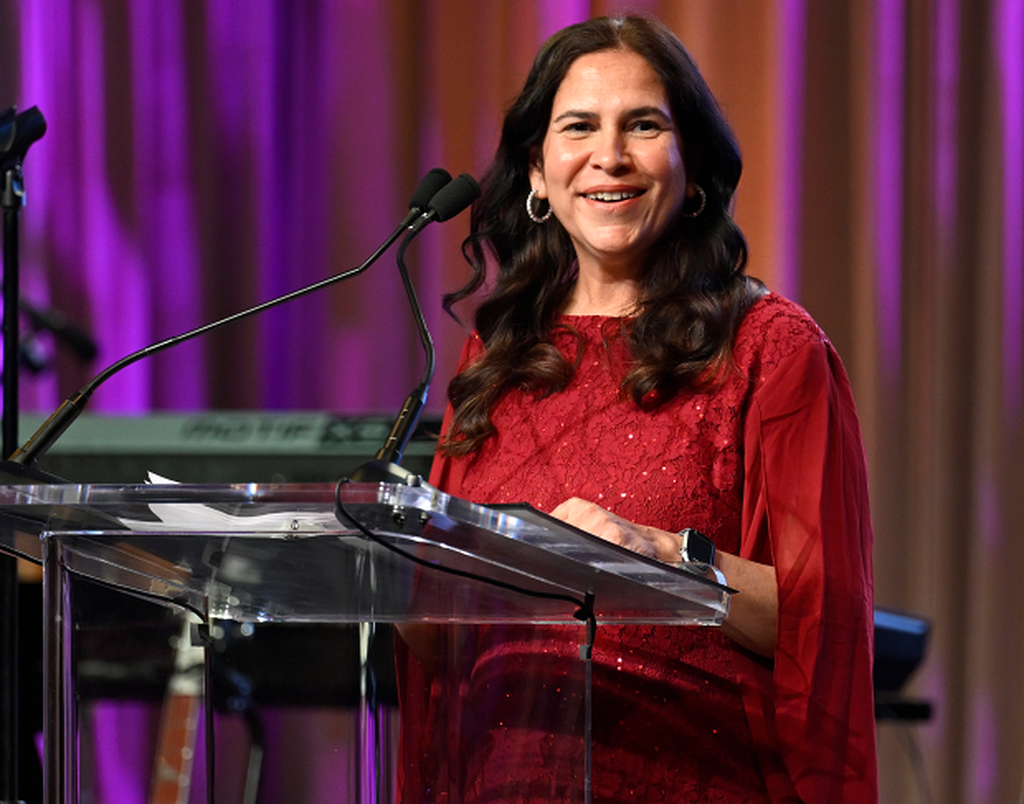
One of the moments that has meant the most to me happened recently at our annual Chef’s Table gala. Two siblings who were among the very first children ever served by Illumination shared their story with our supporters.
When they first came to us in 2008, they were young children experiencing homelessness and uncertainty. Today, each of them is thriving. One is a nurse caring for others, another is a personal fitness coach helping people improve their health, and the third now works with us at Illumination Health + Home, giving back to the very organization that once helped his own family.
Watching them stand together and share their journey was an extraordinary full-circle moment. It reminded me that our work isn’t simply about helping someone through a difficult chapter. It’s about changing the trajectory of a life.
Stories like theirs reaffirm that when we invest in families during their most vulnerable moments, we create opportunities that extend far beyond the immediate crisis. Years later, those same individuals are building careers, strengthening their communities, and inspiring others. That is the impact I’m most proud of, and it is why I remain so hopeful about this work.
Can you share a story with our readers about a particular individual who was impacted or helped by your work?
One story that has always stayed with me is our former client, Stephanie Jeffcoat. Stephanie experienced homelessness, addiction, incarceration, and the devastating loss of her daughter to adoption. When she came to Illumination, she was working to rebuild her life after years of trauma and instability.
What she has accomplished since then is extraordinary. Stephanie went on to earn multiple college degrees, work for Illumination Health + Home, found her own nonprofit supporting families impacted by incarceration and reunification, and begin law school.
Watching Stephanie transform her own experience into a life dedicated to helping others has been incredibly inspiring. Her journey is a reminder that when we invest in people during their most vulnerable moments, we are not simply helping them through a crisis. We are creating the opportunity for them to build extraordinary futures and become leaders who change the lives of others.
Can you share three things that the community and society can do to help you address the root of this crisis?
First, increase the supply of affordable and supportive housing at scale.
Second, expand access to healthcare and behavioral health services through coordinated care that meets people where they are.
Third, strengthen cross-sector collaboration across housing, healthcare, and community systems.
If you had the power to influence legislation, which three laws would you like to see introduced that might help you in your work?
If I could influence legislation, I would focus on these three priorities.
First establish a permanent Medicaid benefit for recuperative care and medical respite so patients can recover safely outside the hospital.
Second, create a dedicated statewide operating fund for supportive housing that finances not only buildings but also the healthcare and supportive services residents need to remain housed.
Third, incentivize stronger partnerships between hospitals, health plans, counties, and nonprofit providers through shared funding and accountability models that connect healthcare with housing. We know homelessness is fundamentally a healthcare issue as much as it is a housing issue, and our policies should reflect that reality.
I know that this is not easy work. What keeps you going?
The resilience of the individuals we serve and the dedication of our team keep me grounded. Stories like I shared earlier remind me that the impact of this work can extend far beyond an immediate moment of crisis. Seeing people regain stability, build meaningful lives, and ultimately give back to others reinforces that lasting change is possible. Every moment of progress, whether large or small, gives me hope and reminds me why this work matters.
Do you have hope that one day this great social challenge can be solved completely?
Yes. While homelessness is a complex challenge, it is not unsolvable. When communities invest in housing, healthcare, and prevention in a coordinated way, outcomes improve significantly.
What are your “5 things I wish someone told me when I first started” and why. Please share a story or example for each.
1. Systems change takes time and persistence.
2. Collaboration is essential.
3. Listen closely to those closest to the work.
4. Celebrate progress, not just outcomes.
5. Never lose sight of the individual behind every statistic.
You are a person of enormous influence. If you could inspire a movement that would bring the most amount of good to the most amount of people, what would that be? You never know what your idea can trigger. 🙂
At the center of every system, every policy, and every organization are people, and how we treat them shapes everything that follows. This belief continues to guide my leadership and my work every day.
Can you please give us your favorite “Life Lesson Quote”? Can you share how that was relevant to you in your life?
“A life of purpose isn’t measured by what you accumulate, but by the lives you help transform.”
This quote reflects the philosophy that has guided both my personal life and my work. While achievements and success have their place, I believe our true legacy is measured by the impact we have on others. Throughout my career, the most meaningful moments have been seeing individuals regain hope, health, and stability. Knowing that I’ve played even a small part in helping someone transform their life is far more rewarding than any title or accomplishment. That’s the kind of impact I strive to leave behind.
Is there a person in the world, or in the US whom you would love to have a private breakfast or lunch with, and why? He or she might just see this, especially if we tag them. 🙂
If I had the opportunity, I’d love to have breakfast or lunch with MacKenzie Scott. Her approach to trust-based philanthropy has transformed nonprofit funding by removing the reporting burdens and restrictions that often limit how organizations can use their resources. For nonprofits like ours, unrestricted funding makes it possible to invest in systems change rather than just individual programs, which is exactly the kind of work homelessness and healthcare integration require.
I’d want to talk with her about how philanthropy can move beyond funding individual programs to funding the infrastructure that connects housing, healthcare, and social services. That’s where the real leverage is, and it’s a conversation I don’t get to have often enough.
How can our readers follow you online?
Readers can learn more about Illumination Health + Home at https://illuminationhealthhome.org/ and follow the organization on Instagram, Facebook, LinkedIn, and YouTube for the latest news, stories, and ways to get involved.
This was very meaningful, thank you so much!
Heroes Of The Homeless Crisis: How Pooja Bhalla of Illumination Health + Home Is Helping To Support… was originally published in Authority Magazine on Medium, where people are continuing the conversation by highlighting and responding to this story.