

Education Revolution: Rob Bisceglie of Action for Healthy Kids On Innovative Approaches That Are Transforming Education
We cannot teach a hungry child, and you can’t inspire an anxious one.
The landscape of education is undergoing a profound transformation, propelled by technological advancements, pedagogical innovations, and a deepened understanding of learning diversities. Traditional classrooms are evolving, and new modes of teaching and learning are emerging to better prepare students for the complexities of the modern world. This series will take a look at the groundbreaking work being done across the globe to redefine education.
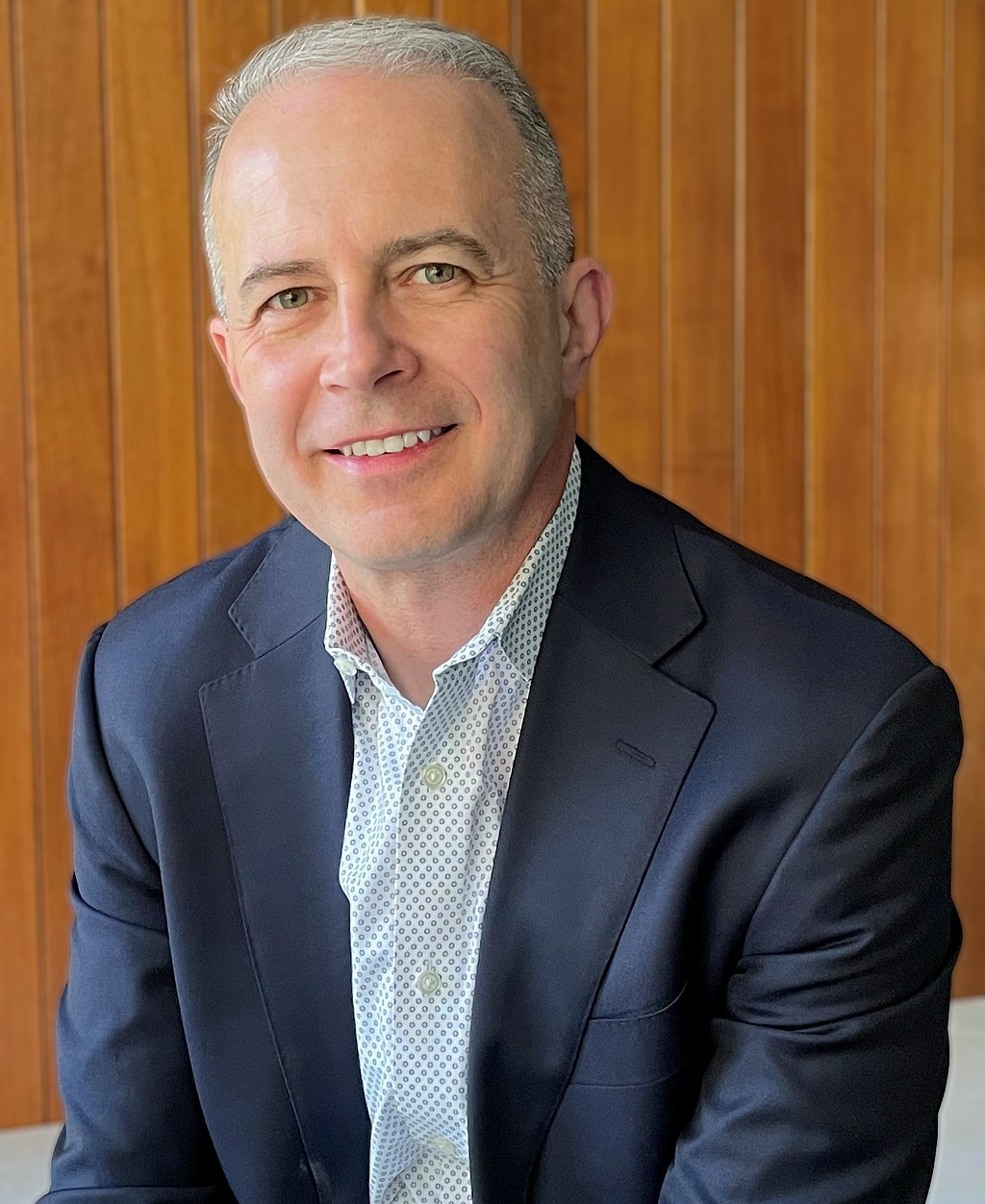
As a part of this interview series, we had the pleasure to interview Rob Bisceglie.
Rob Bisceglie is the CEO of Action for Healthy Kids, a national nonprofit helping schools and districts build healthier learning environments where students can thrive physically, mentally, and academically. For nearly two decades, he has worked at the intersection of education, public health, and systems change, helping advance school strategies that support student well-being and academic achievement. He also served eight years as an elected school board member, giving him both national and local perspectives on the evolving challenges facing schools today.
Thank you so much for joining us in this interview series! Thank you so much for doing this with us! Our readers would love to “get to know you” a bit better. Can you share the “backstory” behind what brought you to this particular career path?
I began my career in Washington, DC, managing international development programs for the U.S. Agency for International Development. That experience changed my perspective completely. Growing up in the suburbs of Chicago, international travel simply wasn’t part of my world. My family didn’t travel outside the United States, and I had little exposure to how people live in other parts of the world.
In my twenties, I suddenly found myself traveling to Eastern Europe and Africa, working with people from very different cultures and communities. It expanded my perspective enormously. I saw both the challenges and resilience of communities facing difficult circumstances, and I gained a much deeper appreciation for the role that health, education, and economic opportunity play in shaping people’s lives. Looking back, I believe every young person would benefit from experiences that broaden their understanding of the world.
Around that same time, my wife and I began thinking about getting married and eventually starting a family. We decided to move back to the Chicago area, where we had both grown up and where most of our family still lived. Some of my friends questioned the decision. They assumed I would never find work as meaningful domestically as the international work I had been doing in Washington, DC. As it turns out, they were completely wrong.
One of my first jobs after returning to Chicago was with the Infant Welfare Society of Chicago, one of the city’s historic nonprofit organizations — a maternal and child health organization. That experience opened my eyes to the profound health challenges facing many children and families in our own communities. It was also where I began to understand how deeply connected health and learning really are. We cannot teach a hungry child, and you can’t inspire an anxious one.
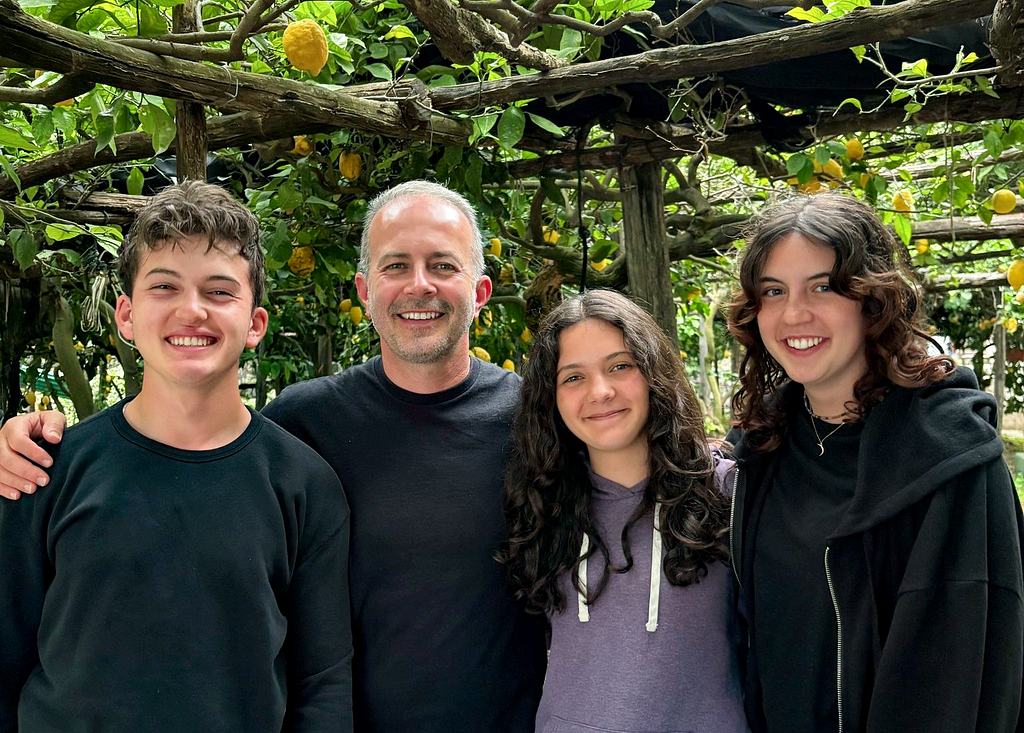
Not long after I returned home, my daughter was born. Today, my wife and I have three children. Watching my own kids grow up and seeing firsthand some of the physical, emotional, and mental health challenges affecting their generation and their friends deepened my passion for child health even more. It stopped being just professional work and became deeply personal.
After several years in Chicago, including an unsuccessful run for state political office, which in hindsight may have been one of the best things that ever happened to me, I found an opportunity at Action for Healthy Kids. The organization was searching nationwide for a new CEO, and its mission immediately resonated with me. The challenge was ambitious: help transform the idea of healthier schools and healthier kids into a scalable national reality.
Nearly two decades later, that mission still drives me every day. I am convinced that improving outcomes for children requires more than isolated programs or short-term initiatives. It requires building systems, infrastructure, and long-term partnerships that help schools consistently support the whole child. This continues to shape both my work and my vision for the future of education and child well-being.
Can you share the most interesting story that happened to you since you started your career? Can you tell us what lesson you learned from that?
One of the most impactful experiences of my career happened before I became a nonprofit CEO. After returning to the Chicago area from Washington, DC, I decided to quit my job and run full-time for a state representative position.
I spent months going door-to-door across the district, eventually knocking on more than 14,000 doors. Along the way, I met people from all kinds of backgrounds: families struggling to pay their bills, parents worried about their children, seniors feeling overlooked, small business owners trying to survive, and people with very different views about the role of government and community.
What surprised me most was not how different people were, but how much they actually had in common. Despite all the political noise, most people fundamentally want the same things for the children and families in their lives: health, opportunity, safety, and a sense of hope for the future.
I lost the election, which was difficult at the time, but the experience changed me permanently. It taught me that real leadership starts with listening. When you spend that much time talking directly with people in their homes and neighborhoods, you gain a much deeper understanding of how complex and human communities really are.
One belief that became very clear to me during that experience is that parents and caregivers, regardless of background or politics, fundamentally want two things for the kids in their lives: they want them to be healthy, and they want them to be happy. Physical health and mental well-being are universal concerns. That lesson has stayed with me throughout my career and continues to shape how I think about education, child health, and leadership today.
Can you briefly share with our readers why you are an authority in the education field?
My expertise sits at the intersection of education and child health. For 19 years, I’ve served as CEO of Action for Healthy Kids, a national nonprofit dedicated to helping schools create healthier environments where students can thrive physically, mentally, and academically.
During that time, I’ve visited countless schools and worked closely with educators, school leaders, health experts, policymakers, and community organizations across the country. Those experiences have given me a firsthand view of both the challenges schools face and the incredible commitment of the people working inside them every day.
I also served for eight years as an elected school board member in my community, which gave me direct experience with public education leadership and governance at the local level.
What has shaped my perspective most is seeing how deeply health and learning are connected. Schools are no longer responsible only for academics — they are increasingly on the front lines of supporting students’ physical health, mental health, and overall well-being. My work has focused on helping schools build sustainable systems that support the whole child and create the conditions students need to succeed. That combination of national nonprofit leadership and local school board experience has given me perspective on both the policy challenges schools face and the operational realities educators navigate every day.
Can you identify some areas of the US education system that are going really great?
One thing that gives me hope is the extraordinary level of commitment and creativity I see in schools and districts across the country. I’ve visited countless schools over the years, and I continue to be inspired by educators and school leaders who are finding innovative ways to support students despite enormous challenges and limited resources.
I’m especially encouraged by the willingness of many schools to rethink traditional approaches and adapt to the changing realities students face today. Whether it’s redesigning school culture, creating stronger student support systems, improving school meals, expanding physical activity opportunities, or finding new ways to engage families, there are many examples of thoughtful innovation happening at the local level.
Schools have become far more adaptable over the last several years. The pandemic forced educators to respond quickly to unprecedented challenges, and many schools emerged with a greater openness to flexibility, collaboration, and student-centered thinking.
The challenge is that many of these bright spots remain isolated and difficult to scale. We have incredible people and promising ideas throughout the system. The next step is building the infrastructure and long-term support needed to help more communities benefit from what’s already working.
Can you identify the key areas of the US education system that should be prioritized for improvement? Can you explain why those are so critical?
One of the biggest challenges facing education today is that we continue to treat student health and academic performance as separate issues when they are deeply connected. Kids cannot learn effectively if they are hungry, chronically stressed, anxious, disengaged, or struggling with physical or mental health challenges. We need to do a better job of recognizing that student well-being is foundational to academic success, not secondary to it.
School systems must treat student well-being as foundational to learning, not separate from it.
Schools are often asked to manage dozens of disconnected programs, initiatives, and reporting requirements without the long-term infrastructure or support needed to sustain meaningful change. We don’t have a shortage of good ideas in education — we have a systems design problem.
Another critical priority is supporting educators themselves. Teachers and school leaders are carrying enormous responsibilities, often far beyond academics alone. Schools are increasingly expected to address student mental health, wellness, nutrition, and social needs, yet educators are rarely given the time, resources, or systemic support required to meet those expectations sustainably. If we want healthier, higher-performing schools, we have to create environments where educators feel supported, trusted, and equipped to succeed.
Finally, I think we need to place greater emphasis on belonging and connection. Students learn best when they feel safe, supported, and valued. At a time when many young people are struggling with isolation and mental health challenges, schools play an increasingly important role in helping students feel connected to their communities and hopeful about their futures.
Please tell us all about the innovative educational approaches that you are using. What is the specific problem that you aim to solve, and how have you addressed it?
Many of the challenges schools face today — including attendance, engagement, behavior, and academic performance — are deeply connected to student health and well-being. Yet schools are often asked to address those issues through fragmented, short-term programs that disappear when funding ends, priorities shift, or a key leader leaves.
We don’t have a shortage of good ideas — we have a sustainability and systems problem.
We are addressing that challenge through our new District Impact Network, an approach designed to help districts build the infrastructure needed to support whole-child wellness over the long term.
Too often, schools launch promising initiatives that generate real results, only to see them fade a few years later because the superintendent changes, grant funding runs out, or staff capacity shifts. The District Impact Network is designed to solve “program fatigue.” Instead of dropping another program onto a teacher’s desk, we help districts strengthen the policies, funding strategies, and peer-learning networks that allow whole-child wellness efforts to endure through leadership transitions and budget shifts.
That’s why our approach focuses on helping districts strengthen the systems that sustain change over time. Instead of asking schools to navigate disconnected resources on their own, we help connect strategy, professional development, technical support, measurement tools, peer learning, and community partnerships into a more coordinated district-level framework.
In what ways do you think your approach might shape the future of education? What evidence supports this?
I believe the future of education will increasingly depend on whether schools can build sustainable systems that support the whole child, not academic performance alone. If schools want students to succeed, they must address challenges related to mental health, physical health, engagement, attendance, and belonging. Those issues are no longer separate from learning; they are central to it.
Our approach is built around the idea that lasting change requires infrastructure, not just programs. If schools want wellness efforts to survive leadership transitions, budget changes, and shifting priorities, those efforts have to become embedded into how districts operate over time.
What gives me confidence is that we’ve seen this work firsthand. For more than a decade, Action for Healthy Kids has partnered with many of the nation’s largest school districts through our National School District Wellness Coalition. We’ve watched districts strengthen wellness policies, improve coordination, expand student supports, and build stronger cultures around student well-being, proving that lasting change is possible.
Research consistently shows that healthier students are better positioned to attend school, stay engaged, and succeed academically. I believe education is moving toward a future where health and learning are no longer treated as separate conversations.
How do you measure the impact of your innovative educational practices on students’ learning and well-being?
At Action for Healthy Kids, we have an internal research and evaluation team that continuously measures the impact of our work and helps guide improvement over time.
I often say we evaluate our work in two primary ways. First, we measure impact on the policies, systems, environments, and practices within partner schools and districts. That includes things like stronger wellness policies, expanded access to school meals and physical activity, improved coordination of wellness, and healthier school environments overall.
Second, we measure impact on students themselves, particularly changes in knowledge, attitudes, and behaviors related to health and well-being. Depending on the initiative, that can include areas like nutrition habits, physical activity, and connectedness.
Importantly, we continue to see evidence of progress in both areas. Over time, we’ve learned that schools create the strongest and most lasting student impact when healthy practices become part of the district’s culture and operating systems rather than existing as temporary stand-alone programs.
What challenges have you faced in implementing your educational innovations, and how have you overcome them?
One of the biggest challenges is that schools are already overwhelmed. Educators and school leaders are managing enormous responsibilities, limited resources, staffing pressures, and constant competing priorities. Even when districts are committed to student wellness, it can be difficult to sustain momentum over time.
At the same time, schools are often asked to manage multiple disconnected initiatives at once, each with different requirements, timelines, and goals. That makes long-term change difficult and can leave schools feeling fragmented and overextended.
We’ve tried to overcome those challenges by approaching districts as long-term partners rather than simply delivering programs to them. Instead of coming in with a one-size-fits-all solution, we work alongside district leaders to help build systems that fit their local needs, priorities, and capacity.
That partnership model matters because sustainable change cannot be imposed from the outside. Schools are far more successful when wellness efforts are built collaboratively and become integrated into the district’s culture, leadership structures, and decision-making processes over time.
We’ve learned that lasting innovation in education is less about launching something new and more about helping good work survive leadership changes, funding shifts, and competing priorities.
Keeping in mind the “Law of Unintended Consequences” can you see any potential drawbacks of this innovation that people should think more deeply about?
Yes, and I think it’s important to acknowledge them honestly.
One potential risk is that schools can become overwhelmed by trying to address too many disconnected priorities at once. As we increasingly recognize the connection between student health and learning, there’s a danger that schools simply layer more initiatives onto already overburdened educators and systems. If that happens, schools can become fragmented and less effective overall, including in their core educational mission.
This is actually one of the reasons our work focuses so heavily on infrastructure and alignment rather than adding more stand-alone programs. The goal should not be to turn schools into social service agencies that try to solve every societal problem. The goal should be to create better coordination and more sustainable systems that help schools support students in ways that strengthen learning rather than compete with it.
We have to be careful not to create overly bureaucratic wellness systems that prioritize compliance over relationships and culture. At the end of the day, students succeed because of trusted adults, strong school communities, and supportive environments — not because of another checklist or reporting requirement.
What are your “5 Things I Wish I Knew When I First Started”?
1. Programs alone don’t create lasting change — systems do.
Too often, schools launch promising initiatives that generate real results, only to see them fade a few years later because the superintendent changes, grant funding runs out, or staff capacity shifts. The District Impact Network is designed to solve “program fatigue.” Instead of dropping another program onto a teacher’s desk, we help districts strengthen the policies, funding strategies, and peer-learning networks that allow whole-child wellness efforts to endure through leadership transitions and budget shifts.
2. The value of long-term relationships is compounded over time.
Trust is the foundation of any successful partnership, especially in education. It takes time to understand the unique needs of a school district and to build the rapport necessary to effect real change. By investing in these relationships early and consistently, we’ve seen our collective impact grow exponentially over the years.
3. I wish I had understood earlier that most people, even when they disagree, are genuinely trying to help in their own way.
In the world of education policy and advocacy, opinions can be very strong. It’s easy to get defensive. However, recognizing that parents, teachers, and administrators all generally have the best interests of children at heart — even if their methods differ — allows for more productive conversations and better collaboration.
4. Our work is important, but we can’t take ourselves too seriously.
The challenges in education are heavy, but if we lose our sense of humor or humility, we risk burnout and becoming disconnected from the very communities we serve. Maintaining a sense of perspective helps keep the focus where it belongs: on the kids.
5. Meaningful change takes longer than you expect. Persistence is key.
Transforming a national landscape or even a single district’s culture doesn’t happen in a single school year. It requires a long-term commitment. I’ve learned that the most significant breakthroughs often come just after the point where many would have given up.
Can you please give us your favorite “Life Lesson Quote”? Can you share how that was relevant to you in your life?
I’m not someone who naturally gravitates toward inspirational quotes, but one belief that has become very important to me over time is this: meaningful things usually take far longer than people expect, and too many people give up too soon.
I deeply admire people who continue pursuing meaningful work despite setbacks, uncertainty, criticism, or slow progress. Honestly, I’m often moved emotionally by people who simply have the courage to keep going. It doesn’t even matter what field they’re in. There’s something incredibly powerful about people who are willing to weather the storms and continue building toward something they believe in.
That perspective has influenced how I think about leadership, relationships, parenting, and life in general. Most worthwhile things require patience, endurance, and the willingness to stay committed long after the initial excitement wears off.
We are blessed that some of the biggest names in Business, VC funding, Sports, and Entertainment read this column. Is there a person in the world, or in the US, with whom you would love to have a private breakfast or lunch, and why? He or she might just see this if we tag them 🙂
I’d probably choose Mike Krzyzewski. I’m a lifelong basketball fanatic and have loved Duke basketball since I was in high school. Over the years, though, I’ve come to admire Coach K for much more than basketball.
As I approach my 20th year leading Action for Healthy Kids, I’ve gained a real appreciation for how hard it is to sustain leadership, culture, and excellence over a long period of time. Coach K did that for decades while continuing to evolve and connect with different generations of players.
I also watched his MasterClass and loved it. A lot of what he said about leadership, teamwork, relationships, and resilience really resonated with me.
And honestly, as a huge basketball fan, I’d just love the chance to sit down, talk leadership, and hear some great Duke stories over breakfast.
How can our readers further follow your work online?
https://www.linkedin.com/in/rob-bisceglie/
https://www.actionforhealthykids.org/
Thank you so much for these insights! This was so inspiring!
Education Revolution: Rob Bisceglie of Action for Healthy Kids On Innovative Approaches That Are… was originally published in Authority Magazine on Medium, where people are continuing the conversation by highlighting and responding to this story.