

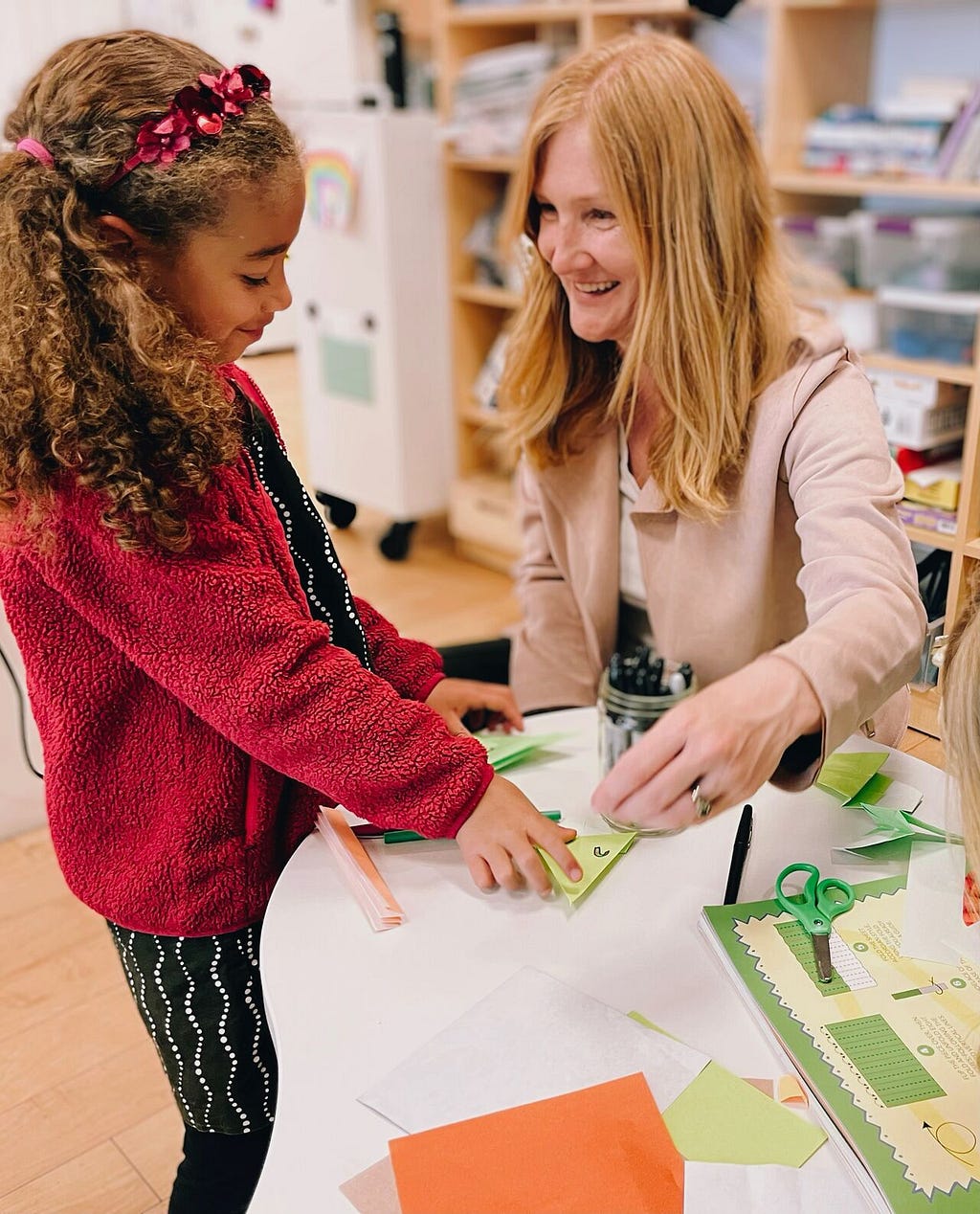

Education Revolution: Caitrin Wright Of Silicon Schools Fund On Innovative Approaches That Are Transforming Education
An interview with Eden Gold
Love the people you work with: Cultivating genuine affection for your colleagues enriches both the work environment and your daily life. It fosters a sense of camaraderie, enhances the overall experience, and increases your impact.
The landscape of education is undergoing a profound transformation, propelled by technological advancements, pedagogical innovations, and a deepened understanding of learning diversities. Traditional classrooms are evolving, and new modes of teaching and learning are emerging to better prepare students for the complexities of the modern world. This series will take a look at the groundbreaking work being done across the globe to redefine education. As a part of this interview series, we had the pleasure to interview Caitrin Wright.
Caitrin Wright, CEO of Silicon Schools Fund, brings more than two decades of experience in transforming educational strategies. She previously served as Managing Partner at the fund and held roles at the Stupski Foundation and the Bridgespan Group. Caitrin, a Harvard graduate and mother of two, resides in Oakland and spends her time supporting leaders driving impactful change in education.
Thank you so much for doing this with us! Our readers would love to “get to know you” a bit better. Can you share the “backstory” behind what brought you to this particular career path?
My path to education leadership wasn’t a straight line. As a child, I excelled in school, driven by external rewards and a desire to constantly achieve. This initial motivation propelled me through college and into my early career, where I learned a great deal and accomplished things I’m proud of. However, in retrospect, I lacked a deeper sense of purpose beyond the pursuit of the next “gold star.”
My perspective and purpose were jarred by the death of someone very close to me when I was in my early twenties. It caused me to step back and question how I wanted to spend whatever time I have on this earth. This connected me back to volunteer work I had done with students in schools, and more fundamentally, back to the experience I had watching one of my siblings, who had learning differences, navigate the K-12 space. I resolved then — and I remain firm in this commitment — that life is too short to spend time on anything other than work that is of deep personal importance to you. Education is that work for me.
Can you share the most interesting story that happened to you since you started your career? Can you tell us what lesson you learned from that?
One defining moment: Fresh out of college at 22, I was working in consulting with a publicly traded company in Boise, Idaho. One of the clients I worked with closely was an experienced Chief Financial Officer. He had a healthy dose of skepticism about my abilities, a young woman just starting out. Determined to prove myself, I dove headfirst into meticulously delivering materials and crafting plans that exceeded expectations. My work ethic and diligence not only strengthened our relationship but earned his genuine respect. It was a turning point. The client called me one day: he needed confirmation on a crucial financial model I’d built — numbers that could potentially impact his upcoming meetings. “Are you absolutely sure these numbers are right?” he asked. “Yes, of course,” I replied confidently, the weight of responsibility settling on my young shoulders. “Okay, because we’re including them in our earnings call,” he said, “and if they’re wrong, well…” I spent the rest of that evening into the early hours, checking that model fastidiously. The need for accuracy and integrity in our work was paramount, and the pressure to ensure impeccable results was always present.
That internal tug-of-war — the pride in his trust mixed with the fear of such high stakes — became a defining moment. It crystallized the importance of purpose in my work. Numbers weren’t just numbers anymore; they could have real-world consequences. Creating positive change in education has the same high stakes. We need to do the analysis, we need to confront the brutal facts, and we need to move forward recognizing what’s possible if we succeed.
Can you briefly share with our readers why you are an authority in the education field?
While I wouldn’t claim to be an ultimate authority, I consider myself a dedicated learner with more than two decades of experience in the field. My work at Silicon Schools Fund includes supporting the launch and ongoing operations of over 75 schools, which has given me an invaluable lens for spotting patterns and trends across diverse educational models. While not a teacher myself, I’ve spent countless hours within classrooms across diverse educational models; I visit schools every other week, which provides me with invaluable energy and insights. I’ve also learned directly from organizations focused on instructional excellence. All these experiences fuel my understanding of the complexities within the education system.
My journey has also spanned national and local levels, working with various organizations and foundations, all focused on a singular goal: ensuring every child thrives, particularly those facing the greatest barriers to opportunity. While the early years of my career offered seemingly clear-cut solutions, time has revealed the complexity of our challenges. More than ever, I believe that transforming our education system is the cornerstone to unlocking individual potential and fostering a thriving democracy.
Can you identify some areas of the US education system that are going really great?
One thing that gives me real hope is the energy around tutoring. It’s incredible to see so many adults and organizations stepping up to support our students in their communities. It’s a groundswell of support, and it’s inspiring to witness.
We’re also learning more and more about what truly helps kids, and this is opening doors to a lot of exciting possibilities. Yes, we have a teacher shortage, but there are also so many adults who are not teachers who want to be involved in education. Our tutoring programs are fostering incredible academic leaps for students, while also cultivating positive and engaging relationships with their tutors. We’re even seeing a positive ripple effect on attendance — students who previously struggled with absenteeism are now eager to come to school, excited to learn alongside their tutors.
The traditional model of education isn’t the only path to success for our students and educators. By embracing flexibility, we can empower educators and ignite student passions through diverse learning models. Imagine: teachers, tutors, mentors, and passionate adults fostering a world of opportunity beyond the traditional one-size-fits-all approach. By exploring alternative models and leveraging the talents of a wider range of adults, we can ensure that all our students receive the support they deserve and perhaps create some flexibility for the adults in the system.
Can you identify the key areas of the US education system that should be prioritized for improvement? Can you explain why those are so critical?
Here’s the thing: we can’t just focus on student success at the expense of everyone else in the system. We have to build systems where both students and adults are thriving. It’s not a sustainable solution to have adults sacrificing their well-being for their students.
Teachers, school leaders, and staff deserve to feel a sense of purpose, to be well, and to have the resources they need to create the best possible conditions for their students to thrive academically and socially. This means supporting students’ academic success, their social-emotional well-being, and their sense of belonging within the school community. We need a fundamental rethink here. We can absolutely center our efforts on students, but we must do it in a way that recognizes that their success is directly tied to the well-being of the adults around them.
The truth is there’s no other long-term path. Adults can’t give students what they don’t have themselves. If our teachers are burnt out and struggling, how can we expect them to create an environment where our kids will thrive? Humans are wired to need a sense of success in their work. Salary and benefits are important, of course, but people also want to feel good about what they do and feel like they’re making a difference.
You simply can’t have a thriving education system without prioritizing the well-being of everyone involved.
Please tell us all about the innovative educational approaches that you are using. What is the specific problem that you aim to solve, and how have you addressed it?
The specific problem we aim to solve is the disconnect between traditional educational models and the evolving needs of students in a rapidly changing world. We believe that by equipping students with the skills to set and pursue meaningful goals, we can not only enhance their academic performance but also cultivate essential lifelong competencies.
One innovative initiative we are particularly excited about is taking place in a rural district in California, Lindsay Unified, in partnership with a private school in San Francisco, Red Bridge. This initiative, designed for our youngest learners, specifically 5- to 7-year-olds, centers on explicit skill-building and empowering students to take ownership of their learning by setting and working toward personally meaningful goals. By fostering agency, responsibility, and self-direction, we aim to prepare students for success in both their academic endeavors and future careers.
The results we’ve observed are promising — improved math and reading scores, as well as increased student engagement and motivation. By shifting the focus from teacher-led instruction to student-driven learning, we believe we can unlock the full potential of every learner and create a system teachers love to teach in.
We are also supporting schools in our portfolio to improve their instructional practices. Through our instructional improvement initiative, we help schools partner with best-in-class support providers to implement the strongest math and ELA curriculums and coach teachers and principals to run highly successful classrooms. That is a critical need, especially as schools work to rebound from the pandemic.
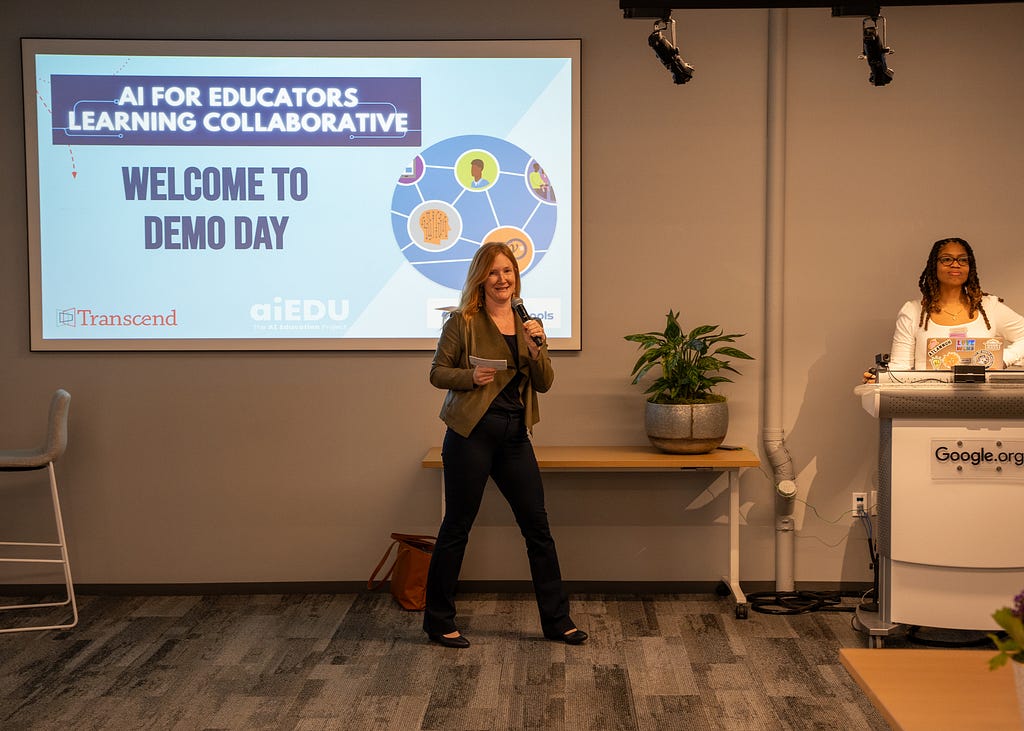
Another solution we’re exploring is partnering with a diverse group of educators who are closest to the work happening in classroom to shape educational practices with technology. That’s why we launched the AI Educator Cohort, empowering teachers to explore and innovate with AI technology in their classrooms. Instead of prescribing solutions, we provide educators with the tools and support to co-create solutions tailored to their unique challenges and goals. As a result, teachers have developed ingenious ways to leverage AI to enhance efficiency, effectiveness, and student outcomes. This experience reaffirms our belief in the importance of creating spaces for educators to lead the design of educational solutions and underscores the possibilities AI holds for education. Moreover, we aim to work with educators and students who have historically been furthest from opportunity, ensuring that the benefits of these innovations reach those who need them most.
In what ways do you think your approach might shape the future of education? What evidence supports this?
Here’s how I believe our approach can shape the future of education:
Pragmatic Optimism: Real progress requires a blend of pragmatism and optimism. We need to acknowledge the harsh realities of the education system’s “brutal facts” while maintaining a belief in the possibility of positive change. Things are undeniably tough, but there are reasons to be hopeful.
Holding Space for Complexity: As an intermediary organization, it’s our responsibility to embrace the inherent messiness and contradictions within the education landscape. We need to hold space for diverse perspectives and navigate the complexities that arise in real-world settings.
Warm Demanders: We strive to be trusted partners, not simply dictating solutions nor being mindless boosters on the sidelines. We believe in building genuine relationships of trust with educators in our portfolio. With these long-standing relationships, we can both identify areas where a school may be falling short of its vision and provide the necessary support for individuals to improve.
Investing in Long-Term Relationships: We recognize that lasting change requires sustained commitment. We’re not interested in quick fixes but in building long-term relationships with educators and leaders, supporting them through ongoing challenges and celebrating their successes.
By focusing on these interconnected aspects, we believe we can contribute to building a more sustainable and thriving education system for all.
How do you measure the impact of your innovative educational practices on students’ learning and well-being?
Our goal is to empower students to live fulfilling lives filled with choices. Since Silicon Schools Fund was founded, 30,000 students are now attending schools that outperform the state and local district averages. While long-term impact is challenging to quantify directly, we look at indicators like high school graduation rates and post-graduation opportunities as potential measures. We also consider salary data and student surveys to gain further insights.
Achieving proficiency in literacy and numeracy is a fundamental requirement for a life of choices. We closely monitor student performance in these core areas, recognizing that passing these benchmarks is crucial for students to thrive. Test scores reflect academic progress and serve as indicators of student engagement and belonging within the school community.
We believe that the well-being and retention of teachers, particularly teachers of color, is directly linked to student success. We monitor teacher retention rates as critical indicators of a healthy and sustainable school environment.
Our focus extends beyond test scores and graduation rates. We value anecdotal and subjective data gathered through regular school visits. Our own rubrics guide these visits, allowing us to assess the overall well-being of both students and adults within the school community.
Ultimately, the success of our approach hinges on whether we are on track to create an education system where both students and adults can truly thrive.
What challenges have you faced in implementing your educational innovations, and how have you overcome them?
The past few years have presented immense challenges to implementing educational innovations:
- COVID-19: The pandemic brought about widespread disconnection, school closures, and immense personal losses for many families. This resulted in significant disruptions to learning and a rise in teacher burnout.
- Leadership Turnover: The pandemic’s impact led to a surge in leadership transitions within schools and organizations. This instability further compounded the challenges faced by students and educators.
These experiences have led us to re-evaluate strategic opportunities to innovate and improve:
- Staffing Re-think: Amidst staffing challenges and evolving student needs, we’re exploring innovative approaches to staffing schools by leveraging both in-house and external resources, along with technology. We’ve funded pilots for new staffing models, virtual tutoring, and remote teaching to gather insights.
- Role of AI: Recognizing the inevitable integration of AI into education, we’re focused on ensuring it serves to bridge rather than widen achievement gaps. Our emphasis lies in personalized learning and sustaining the teaching profession, with a commitment to inclusivity and educator involvement. Initiatives include the AI Educator Cohort and strategic investments in AI tools.
- Empowering New Leaders: With a new wave of CEOs leading the education sector through unprecedented challenges, we’ve prioritized building relationships and understanding their needs. Our success, and most importantly, the success of our students, hinges on their leadership. As an organization deeply rooted in human connection, we’re committed to supporting these diverse CEOs as they navigate complexities and pioneer new approaches to education.
By focusing on these areas, we hope to equip new leaders with the tools and resources they need to navigate the complexities of their roles and foster thriving school environments for all.
What are your “5 Things I Wish I Knew When I First Started”?
- Implementation work is strategy work: Initially coming from a background in strategy consulting, I’ve learned that the true essence of strategy often reveals itself in the midst of implementation. Countless critical strategy questions emerge and find resolution during the execution phase.
- Love the people you work with: Cultivating genuine affection for your colleagues enriches both the work environment and your daily life. It fosters a sense of camaraderie, enhances the overall experience, and increases your impact.
- Action over complaints: Rather than dwelling on how things ought to be, I’ve come to appreciate the power of taking action to address current realities and effect meaningful change.
- Embrace the concept of compound annual interest: Just as it applies in financial contexts, consistent effort and dedication yield significant returns across various facets of life — from pursuing one’s purpose and career to nurturing relationships and maintaining personal well-being. While grand ideas are essential, the steadfast commitment to showing up every day is equally crucial.
- Proximity matters: It’s tempting to gravitate toward a detached vantage point as one progresses in their career. However, reconnecting with the grassroots level — immersing oneself in the intricacies of implementation, witnessing the passion of those working in classrooms — not only instills empathy and inspiration but also generates fresh perspectives and pragmatic insights that enrich the work.
Can you please give us your favorite “Life Lesson Quote”? Can you share how that was relevant to you in your life?
“Men are disturbed not by things, but by the view which they take of them.”
“It’s not what happens to you, but how you react to it that matters.”
To me, these quotes combined offer a lesson about focusing on what you can control vs. obsessing over what you can’t control. Our greatest assets are our energy and our time. I choose to spend them on things I can influence, and I’ve become more and more ruthless on not spending time on things I can’t impact, and not getting ruffled by things that are out of my control. It’s about managing your emotions, perspective, and reactions. By prioritizing where you direct your energy and time, you gain greater influence over your inner life and, consequently, your impact. Don’t waste energy on things beyond your control; instead, focus on controlling your reactions.
We are blessed that some of the biggest names in Business, VC funding, Sports, and Entertainment read this column. Is there a person in the world, or in the US, with whom you would love to have a private breakfast or lunch, and why? He or she might just see this if we tag them 🙂
I’ve been profoundly moved by the work of Bryan Stevenson — a renowned public interest lawyer, advocate, and author. Having had the privilege of hearing him speak and delving into his writings, I am inspired by his unwavering commitment to compassion, empathy, and justice.
Bryan Stevenson’s focus on themes such as proximity, the potential for redemption, and the resilience of the human spirit resonates with me. His tireless efforts to confront systemic injustices and advocate for the marginalized embody the highest ideals of humanity. I’d be honored to chat with him.
How can our readers further follow your work online?
Follow Silicon Schools Fund on LinkedIn: https://www.linkedin.com/company/silicon-schools-fund/.
Thank you so much for these insights! This was so inspiring!
About The Interviewer: Eden Gold, is a youth speaker, keynote speaker, founder of the online program Life After High School, and host of the Real Life Adulting Podcast. Being America’s rising force for positive change, Eden is a catalyst for change in shaping the future of education. With a lifelong mission of impacting the lives of 1 billion young adults, Eden serves as a practical guide, aiding young adults in honing their self-confidence, challenging societal conventions, and crafting a strategic roadmap towards the fulfilling lives they envision.
Do you need a dynamic speaker, or want to learn more about Eden’s programs? Click here: https://bit.ly/EdenGold
Education Revolution: Caitrin Wright Of Silicon Schools Fund On Innovative Approaches That Are… was originally published in Authority Magazine on Medium, where people are continuing the conversation by highlighting and responding to this story.