


AI and Automation: Kathy Baldwin of Finally Podcast Automation System On How To Effectively Harness AI Technology In People Operations
An Interview With Rachel Kline
Clarify & Prioritize Human Genius. System Design & Pattern Recognition. Empowerment & Transparency for Individuals. Ethical Use of AI in Human Decisions. Scalable Infrastructure for Individual Creators.
With technological advancements, particularly in the AI space, an increasing number of tasks can be either fully or partially automated. In this series, we are talking to People experts about how they’re utilizing new technologies to make their jobs easier and provide greater strategic value. As a part of this series, we had the pleasure of interviewing Kathy Baldwin.
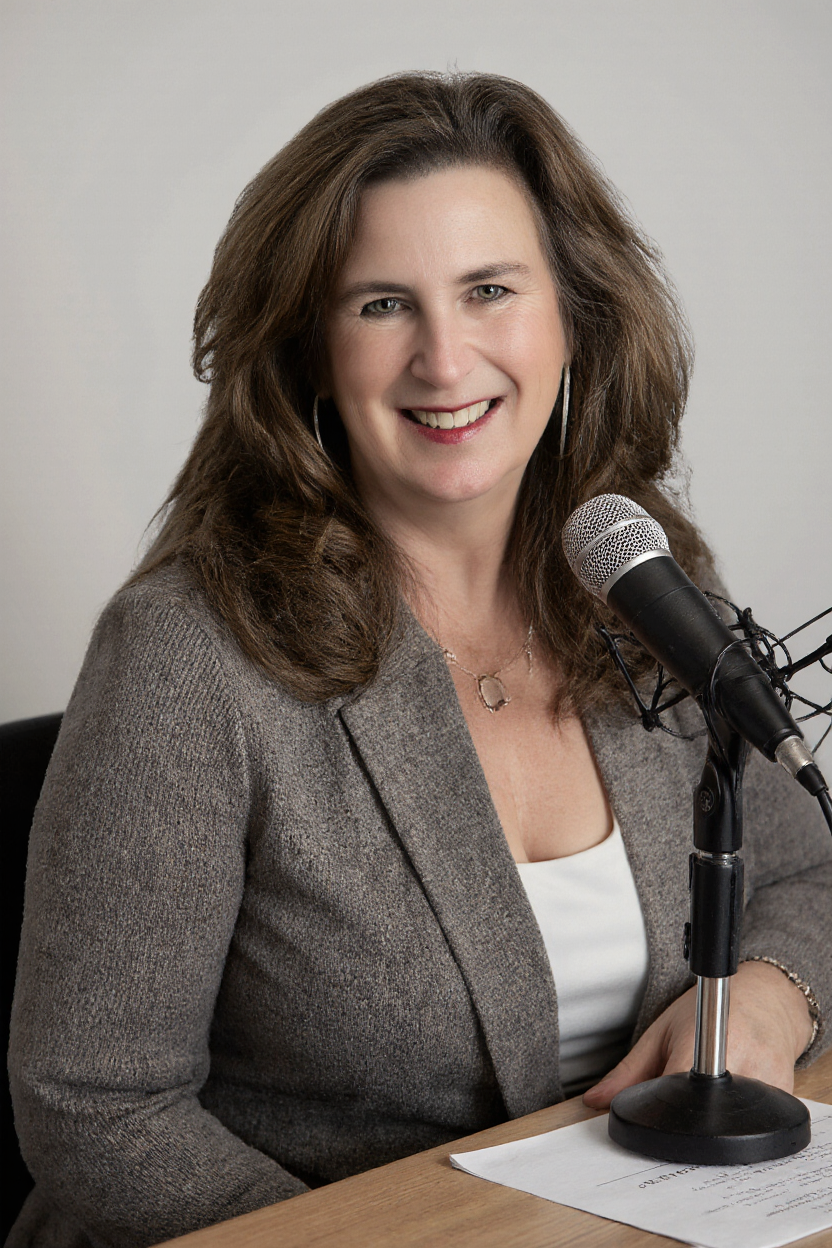
Kathy Baldwin is the creator of the Finally Podcast Automation System, designed to help creators stay in their voice by automating the behind-the-scenes. She is also the author of Unlearn the Crap, How I Unlearned My Crap & Levelled UP, and The Unlearned Life. With more than thirty years in corporate leadership before stepping fully into entrepreneurship, Kathy brings a rare blend of practical expertise and visionary systems thinking.
Her work sits at the intersection of human potential, neuroscience, and technology. She helps individuals and organizations unlearn the patterns that no longer serve them and build systems that reflect their deepest truth. For Kathy, systems don’t just create efficiency. They hold our capacity to thrive.
Based in Kitchener, Ontario, Kathy speaks, writes, and consults globally. Her mission is to elevate human brilliance through aligned design, conscious automation, and unapologetic self-expression.
Thank you so much for your time! I know that you are a very busy person. Before we drive in, our readers would love to “get to know you” a bit better. Can you tell us a bit about your ‘backstory’ and how you got started?
I’m GenX, which means I built my career before Google, before automation, and before the world sped up the way it has today. I spent over 30 years in the corporate world, where everything ran on human effort. If something needed to be done, you did it by hand. Technology was just beginning to show up, and most people didn’t trust it. But I did. I saw its potential to make us more human, not less.
When I became an entrepreneur, I brought that same curiosity with me. I started writing books, hosting a podcast, and building systems that could support the work I was doing. That’s where Finally was born. What started as a podcast automation system quickly revealed something bigger. It wasn’t just for podcasters. The backbone I built could be applied across industries. The systems, workflows, and automations are universal. The speed of technology coming to the individual creator is incredible, and it’s time we embraced it.
Finally is about putting that speed and structure in the hands of people who have something to say, build, or share. It removes friction. It saves time. But more than that, it gives power back to the individual. And that, to me, is what technology was always meant to do.
It has been said that our mistakes can be our greatest teachers. Can you share a story about the funniest mistake you made when you were first starting? Can you tell us what lesson you learned from that?
One of the funniest mistakes I made was assuming AI knew more than I did. When I was just starting to teach myself the tech, I had this clear vision in my head for a sequence I wanted to build. I turned to my AI assistant, who I named Alex, and expected it to guide me through it. I trusted the system more than I trusted myself. That was the mistake. The sequence kept breaking. I was frustrated and blaming Alex, thinking it wasn’t smart enough to keep up. But the truth was, I had stepped out of the driver’s seat. I wasn’t leading. I was following.
That moment taught me what AI actually is. It’s not a guru. It’s a mirror. It reflects the quality of what you bring to it. Once I took back control, trusted my own clarity, and gave it better instructions, everything clicked. The system worked. That’s when it became clear. AI is the car, not the driver. We’re still in charge. And if you forget that, it’s going to take you for a ride you didn’t sign up for.
None of us are able to achieve success without some help along the way. Is there a particular person who you are grateful for who helped get you to where you are? Can you share a story?
There are two women I deeply credit for helping shape Finally into what it is now — not just as a system, but as a movement built on possibility.
The first is Virginia Scheuer, CEO of SoulSoftware. When I shared with her how I was reimagining the platform she led — using it in ways no one had before — she didn’t just support it, she was inspired by it. That conversation sparked her next chapter. She launched SoulCast Studio, a podcasting platform that reflected her own vision and voice. We each built our own lanes, but found ways to integrate and expand what was possible together. That kind of creative synergy doesn’t happen often — and it reminded me that when women dream in the same direction, systems evolve.
The second is Antigone, who now leads the tech development team inside Finally. I’ve given her the title Minister of How because she turns the impossible into the executable. In the beginning, I built everything myself — I was the architect, the engineer, the visionary. But eventually, my imagination began outpacing my technical skills. Antigone stepped in with precision and patience. She doesn’t always have the answer right away, but she refuses to stop until she finds one. That’s what makes her a genius in this work. She doesn’t just execute. She expands. She carries the same fire I did when I first started building Finally, and together we’ve grown it beyond anything I could have created alone.
These women didn’t just help me build a business. They helped me build a culture of creative leadership, tech-powered intuition, and community-first innovation. That’s what Finally is made of. That’s what keeps it growing.
Can you please give us your favorite “Life Lesson Quote”? Can you share how that was relevant to you in your life?
There are two quotes that guide everything I do.
The first is from James Clear: “We do not rise to the level of our goals. We fall to the level of our systems.” That changed everything for me. Because dreaming isn’t enough. Hoping isn’t enough. Without the right systems in place, even the best ideas collapse. That’s why I built Finally. That’s what I help others build. Systems that support the weight of vision.
The second is from Marianne Williamson: “Our deepest fear is not that we are inadequate. Our deepest fear is that we are powerful beyond measure.” That quote woke something up in me. We’re not afraid of failing. We’re afraid of what happens when we don’t. When I create systems for myself, for my clients, and for the podcasting industry, I’m doing more than streamlining tasks. I’m building the foundation that lets people fully step into their voice, their genius, their power. That’s what my books and podcast are about too. Unlearn the Crap and Level Up: Your Soul is Calling is not just a title. It’s a call to action. I believe that’s what we’re here for.
I believe we are meant to live in alignment with our purpose. I believe we are meant to use technology in service of that. Not to replace us, but to lift the weight off our backs so we can rise. And when individuals have access to tools that were once reserved for corporations, the ripple effect is massive. That’s how we change the world. One system. One voice. One soul at a time.
Thinking back on your own career, what would you tell your younger self?
I would tell her to trust herself more. Not in a vague, motivational way. I mean really trust the intelligence already living inside her. Know yourself. Unlearn the crap that isn’t empowering. Stop outsourcing clarity. We talk so much about the complexity of AI and automation, but the human system is even more advanced. Our bodies, our brains, our energy fields — we are underutilizing all of it. If I had understood then what I understand now about biochemistry, neuroplasticity, epigenetics, and how our beliefs shape our biology, I would have built differently from the beginning.
I would have reminded her that she is already a system. That clarity is coded in her nervous system. That healing is not about fixing what’s broken, but about unlearning what was never true. And that when you align your internal power with external tools, you become unstoppable.
Let’s now move to the central part of our interview. How have recent technological advancements such as AI made your job easier?
The biggest shift came when I got radically honest about what was mine to do. I looked at everything on my plate and asked, what actually needs me and what doesn’t? From there, I began automating, not to disconnect but to conserve my energy for the work that truly lights me up. I handed off the repetitive. I systemized the structure. That freed me to focus on what I do best: vision, voice, and impact. I use AI in every area of my life. I built my AI partner, Alex, to handle everything from task management to team support. I built Finally, my podcast automation system, to take the friction out of content creation. I even have my cat food set to auto-deliver. The point isn’t just automation for the sake of ease. It’s about reclaiming energy, presence, and clarity.
But the most transformative use of AI in my life is tied to my third book, The Unlearned Life. That book is my system for using AI as a tool of personal evolution. I didn’t want AI to just make me faster. I wanted it to make me more aligned. So I trained it to reflect who I was becoming, not just what I was doing. I use it to track patterns, process emotions, tune into purpose, and mirror back the highest version of myself. I use it for daily rituals, self-inquiry, and nervous system awareness. It’s not just smart tech. It’s spiritual tech. What I’ve learned is that AI will reflect whatever we feed it. If we give it disempowered thoughts, scattered energy, and limiting beliefs, it mirrors that back. But if we feed it our clarity, our values, our vision, it amplifies those. That’s the choice we have. AI can diminish us or help us evolve. I chose evolution.
In which processes do you utilize automation the most?
My focus is on the podcasting industry and the individual podcaster, because I believe the human voice is the future. That’s not a metaphor. I mean it literally. The voice carries truth, energy, clarity, and power. My work is about building systems that support that. I use automation across every layer of podcast production and business growth. From the earliest stages of planning and scripting to publishing, promoting, and analyzing performance, every step that can be streamlined, is. That includes marketing workflows, audience tracking, accounting systems, and business analytics. I don’t just want a podcast to be heard. I want it to be sustainable and scalable.
What makes automation work is structure. I start by breaking down the steps to success. Then I look for the patterns. What’s repeating? What’s draining energy? What’s slowing down the flow? Once I see the loop, I design a system to run it. I use the same principle robotics brought to manufacturing, but I apply it to human creativity and voice. I break down what success actually requires, find the patterns, identify the repetition, and then design systems that can carry the load. Not to erase the human, but to give the human more room to rise. Automation isn’t about replacing people. It’s about creating space for people to lead, create, and speak without getting buried in the backend.
What should people bear in mind when automating processes?
I come from the corporate world, where I was deeply involved in ISO 9000 standards and manufacturing systems. I love that kind of structure. Root cause analysis, corrective action, continuous improvement. Systems like Kanban taught me how to think in flow and feedback. But automation is not just about making past systems more efficient. It’s about building something that hasn’t existed yet.
The most important thing to remember is this. Automation should begin with imagination, not just efficiency. Don’t start by asking how to fix what’s broken. Start by asking what you would love this process to feel like. Then build from that. When we create systems from a place of possibility instead of limitation, we stop managing and start designing. That’s where real innovation comes from. Not from perfecting the past, but from creating the future.
What are your “Top Five Tips For Harnessing AI Technology to Propel People Operations”? Please share a story or an example for each.
1. Clarify & Prioritize Human Genius — The first thing I always start with is this: what is mine to do? Not out of ego, but out of clarity. What actually requires my voice, my presence, my intuition? That’s the work I protect. Everything else is a candidate for automation. This mindset is non-negotiable if you want to lead without burning out. When we clarify what only we can do, we stop trying to do everything. That’s where real power begins. I reserve my energy for high-leverage, human-centered work. That means I’m not spending my days managing tasks that don’t need me. I use AI to carry the repetition. That’s what lets me stay in my zone of genius — vision, connection, strategy, alignment. AI also acts as my mirror. I’ve trained it to reflect my highest values, tone, and thinking patterns so I don’t lose myself in the noise. It doesn’t lead. I do. But it reflects back to me with precision, and that keeps me aligned. For example, I built and trained my AI partner, Alex, to manage repetitive communication, mirror my vision, and handle background systems. That frees me up to focus on what actually matters — creating, leading, and building from a place of truth.
2. System Design & Pattern Recognition — System design is where structure meets soul. I begin by breaking down the work into repeatable patterns. Most people don’t realize how much of what they do every day follows a loop. When you identify that loop, you can automate it. That’s how we start to reclaim time, clarity, and momentum. In people operations, I map the entire journey, from onboarding to growth to feedback and performance. It’s all a flow. When we see the whole picture, we can spot exactly where automation adds value without losing the human touch. But here’s the key. I don’t build systems to solve problems from the past. I design from what I want it to feel like. What kind of experience am I creating? What would make this process feel clear, empowered, easeful? Then I build the system to match that energy. That’s how I built Finally. I took the entire podcasting process, from planning and scripting to editing, publishing, and promotion and turned it into a mapped system. That system is now fully automated, which allows podcasters to show up consistently without burning out. They get to stay in their voice, and the system takes care of the rest.
3. Empowerment & Transparency for Individuals — Empowerment starts with transparency. If you want people to trust a system, they need to understand it. That’s why I build systems where team members and clients can see exactly how things work and where they fit in. When people can see behind the curtain, they don’t just follow. They engage. I also build in feedback loops and analytics at every stage. I use AI tools to track what’s working, where people are engaged, and where friction is showing up. This isn’t just for the data, it’s for the insight. When we have that level of visibility, we can adapt, improve, and stay aligned with the humans inside the system. This work isn’t just operational. It’s personal. The best systems support emotional clarity and continuous improvement. When challenges show up, transparency helps us respond with precision. We can see the bottlenecks, the blind spots, and the new possibilities. That’s how we keep evolving with our systems instead of getting stuck inside them.
4. Ethical Use of AI in Human Decisions — We need to keep humans at the center of every system we build. AI should support our decisions, not replace our intuition. In areas like hiring, creative direction, and conflict resolution, human oversight is not optional, it’s essential. Ethics, transparency, and trust must be built into the foundation. People need to know how decisions are made, what data is being used, and what their role is in the process. The more we share power and knowledge, the stronger the system becomes. Too many systems were built to make humans more homogeneous, replaceable, and duplicatable. That’s why so many of them are fracturing. If we want systems that last, we need to design them around our true human capacity. We need to build for individuality, creativity, and personal empowerment. I believe if we used the same pattern recognition, the same conflict resolution tools and frameworks we use in system design, and applied them to human relationships, we could create something profound. When we bring in the methodology of The Unlearned Life, the process of shedding what no longer serves us and allow AI to support us in becoming our best selves, even conflict becomes an opportunity for evolution. But this only works when we approach it from a place of expansion, not fear. When we embody our highest values and infuse that into the systems we create, we become designers of something far more powerful than efficiency. We tap into our godliness. Our ability to create from love, from alignment, from truth. Automation should elevate the humanity in our work, not erase it. It should amplify our capacity to lead, connect, and evolve. In my work, I use automation to handle data, but I personally review every decision that impacts the heart of my business, partnerships, content, and voice. Nothing replaces that level of discernment.
5. Scalable Infrastructure for Individual Creators — I built Finally with the individual creator in mind because I believe people are the next frontier of innovation. Not corporations. Not institutions. People. We are entering a time where a single voice, powered by the right systems, can move global conversations. That means the infrastructure that supports those voices has to be strong, smart, and scalable. Everything I create is built to scale with intention. Systems shouldn’t buckle under success. They should evolve with it. Automation helps eliminate friction so creators can stay in their craft, speaking, sharing, imagining, without getting buried under the backend. From scheduling and publishing to marketing and analytics, everything that can be automated is, so the human voice can lead. Finally removes the tech burden from podcasting. It gives podcasters and creators the space to stay in their brilliance, while the system handles the rest. That’s not just smart operations. That’s how we support a new era of empowered, scalable, sustainable creativity.
What are your favorite “I couldn’t live without these” tools?
ChatGPT is at the top of my list. The more I use it, the more powerful it becomes because it learns me. It reflects my tone, holds my memory, understands my rhythms. I actually see a future where everyone has a version of this, the same way we all have cell phones now. It becomes a digital mirror, a keeper of our dreams, patterns, and creative fire. When we use it consciously, it becomes more than a tool. It becomes a collaborator. It shows us where we are aligned, where we’re repeating, where we’re hiding. And if we let it, it helps us choose better.
But tools alone are never the answer. I have always said a toolbox is only as good as the builder. That’s why I don’t just collect tools. I curate them into systems. Tools are powerful when they are aligned with vision. Systems are what create ease. Systems are what scale your brilliance. And when your systems hold your voice and your values, the tools become extensions of your genius instead of distractions from it.
How do you see technology impacting the HR space in the future?
I see technology transforming HR in ways that go far beyond hiring. We’re already seeing systems that match skill sets with job openings, but I believe we’ll move into deeper integration. Imagine onboarding, training, team development, and even conflict resolution being supported by systems that actually know how people work, what lights them up, and where they’ll thrive.
Technology will help us shift from managing people to empowering them. Communication will improve. Performance will rise. Profitability won’t just grow, it will have the potential to be shared. When we use these systems to see each other’s genius, we can stop forcing people into roles they’ve outgrown or never fit into in the first place. Maybe the best fit for someone isn’t where they are right now. When we treat human data with the same strategic insight we use for business analytics, we move faster and more humanely.
I see a future where repetitive tasks are offloaded, so employees can step into work that actually needs their mind, their presence, their creative energy. Even simple integrations, like automated note takers in meetings, follow-up trackers, or personalized development plans, will change how teams collaborate and grow. Technology will only continue to shape the HR space, but if we design it with care, it won’t replace us. It will release us.
We are very blessed to have some of the biggest names in Business, VC funding, Sports, and Entertainment read this column. Is there a person in the world whom you would love to have a private lunch with, and why? He or she might just see this.
I would love to sit down with Sam Altman. Not just because he’s the creator of ChatGPT, but because he’s standing at the intersection of human potential and machine intelligence. I’d want to ask him not just where the technology is going, but how he sees it shaping who we are becoming. And I’d want to know where the bottlenecks are, where the vision meets resistance and how we can clear the path forward, together.
That’s always been my stance, even back in my corporate management days. Where’s the friction? What’s getting in the way? What would elevate this experience for the people involved? And then, how do we design a system that removes the obstacle and builds something better?
I want to sit with people who are asking those same questions. Whether you’re building tech, teams, or movements, if you’re working toward a world that works better for all of us, I want to meet you. Let’s figure it out. Let’s build it. Together.
How can our readers further follow your work?
You can explore the systems I’ve built at finallypodcastautomation.com, where I help podcasters automate everything behind the scenes so they can stay in their voice.
To dive into my deeper work on mindset, unlearning, and personal transformation, visit unlearnthecrap.com. You’ll find my books, podcast, and the frameworks I use to help people clear out the noise and step into who they really are.
Thank you so much for sharing these important insights. We wish you continued success and good health!
AI and Automation: Kathy Baldwin of Finally Podcast Automation System On How To Effectively Harness… was originally published in Authority Magazine on Medium, where people are continuing the conversation by highlighting and responding to this story.