Chosen Families: Lesli Suggs of The Home for Little Wanderers On Why Adoption and Foster Parenting Matter More Than Ever
I truly believe that when a child has even one caring, consistent adult who believes in them, it can change the trajectory of their life. We need communities, organizations, families, and systems all working together to make sure no young person ages out feeling alone or unsupported.
The definition of family keeps evolving, and adoption and foster parenting play an increasingly vital role in providing stability, love, and opportunity for children in need. Countless young people are waiting for safe, supportive homes, while many adults feel called to step into caregiving roles in meaningful ways. But the journey of building a chosen family — through adoption or foster care — comes with both profound rewards and real challenges. What motivates individuals and families to take this path? What systemic barriers still exist, and how can they be addressed? How can communities do a better job supporting both children and caregivers? In this interview series, we are talking to adoptive parents, foster parents, child welfare advocates, social workers, policymakers, and anyone who is an authority about “Chosen Families: Leaders On Why Adoption and Foster Parenting Matter More Than Ever.”
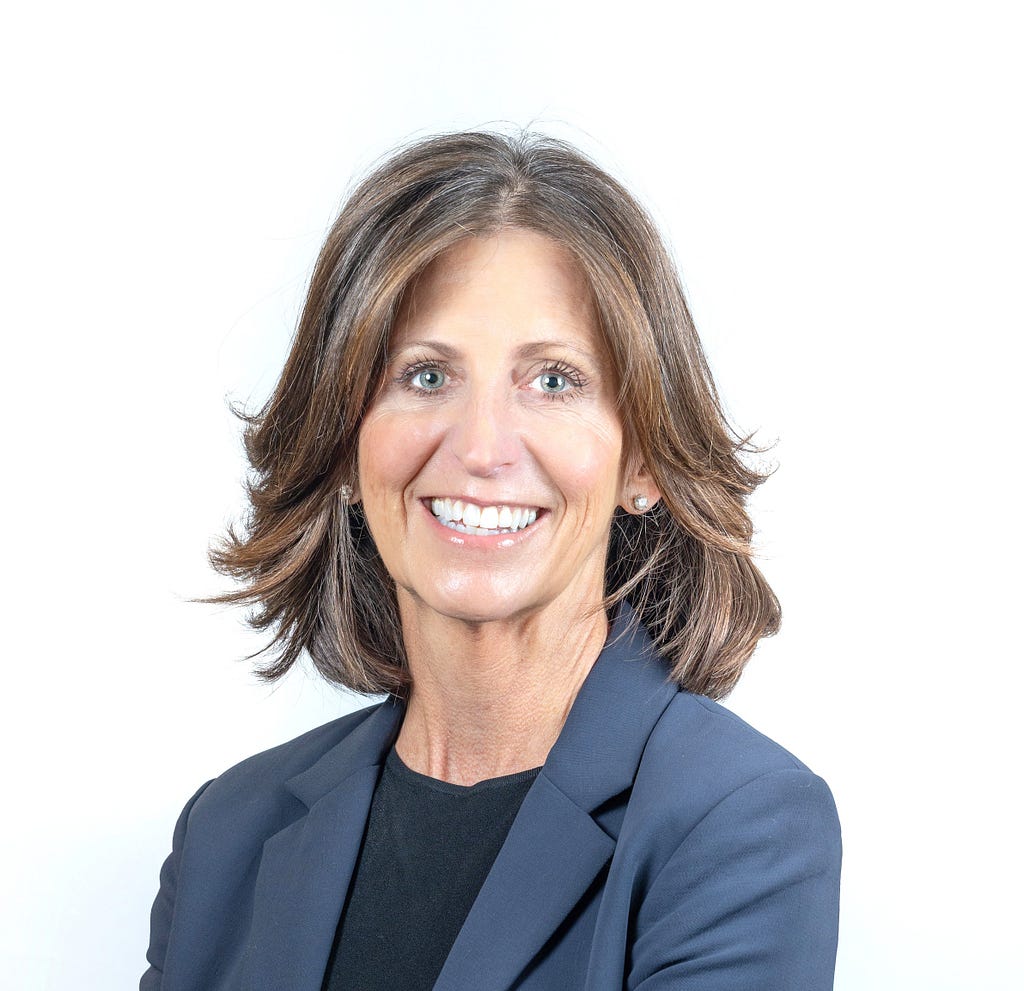
As a part of this series, I had the pleasure of interviewing Lesli Suggs.
With a background in social work and over two decades of experience in child welfare and behavioral health, Lesli understands the specific needs of the children served by The Home for Little Wanderers and how best to meet them. Throughout her career, Lesli has worked with children and families in a variety of different roles and settings, including residential and special education, adoption and foster care, community mental health, sexual abuse and trauma. Her passion, dedication, direct service expertise and extensive knowledge of the field of child welfare place her in a unique position to lead The Home. Lesli holds an M.S. in Social Work from Simmons College. She received her B.A. in Social Work from Texas Christian University.
Thank you so much for joining us in this interview series! Our readers would love to get to know you a bit better. Can you tell us your “Origin Story”? How did you grow up?
I grew up in Texas in a hardworking family that deeply valued education and service to others. I was the first person in my family to graduate from college, something my father was especially proud of as he always believed that education was the great equalizer and could open doors that had not been available to him. My parents instilled in all of us a strong sense of responsibility to help others and give back to our communities.
That foundation ultimately led me to social work. What began as a passion for supporting children and families grew into a career focused on leadership, systems change and advocating for access to care for vulnerable youth. Today, I have the privilege of serving as President and CEO of The Home for Little Wanderers, the nation’s oldest child welfare organization, and I’m honored to be the first social worker in a generation to lead the organization.
What’s a moment from your childhood that you didn’t realize mattered until much later?
One experience that has stayed with me was spending time in Beaumont, Texas, helping rebuild homes through Habitat for Humanity and working alongside families who were facing tremendous hardship. I was about 16 years old, and while I may not have fully realized it at the time, those experiences deeply shaped my desire to help others. I remember meeting families who were doing everything they could to create stability for their children despite enormous challenges. Looking back, those moments clearly influenced both my decision to become a social worker and the work I do today leading The Home for Little Wanderers.
What do you think are the biggest misconceptions about fostering and adoption that you would like to dispel? Can you share a story that helps challenge or reframe those assumptions?
People often hear negative stories about the foster care system, but what is too often overlooked are the stories of compassion and commitment that happen every day. The majority of foster parents are extraordinary people who open their homes and hearts to children who have experienced significant trauma and instability. They provide patience, structure, and unconditional care during some of the hardest moments in a child’s life.
I remember one foster parent who has stayed with me throughout my career. She was caring for a young boy who was having an intense emotional outburst and was at risk of being hospitalized, something that had become a pattern for him. In the middle of the episode, he knocked over her china cabinet filled with treasured family heirlooms. Yet she remained completely calm while focusing entirely on helping him feel safe and regulated. What struck me most was her ability to look past the behavior and see the pain underneath it. She responded with empathy, patience, and love, and that is the reality of so many foster parents.
I also think there are many misconceptions about adoption. People often believe they need to be perfect parents, have endless resources, or wait for the right time before considering adoption. The reality is that children are not looking for perfection. They are looking for love, stability, and connection. What matters most is a caring adult who is willing to show up consistently, to provide a safe, supportive home and become that permanent, positive connection for a child.
Please share your “Five Things I Wish Everyone Knew About Adoption and Foster Parenting.” If possible, please include a story or example for each.
1. Love and stability are critical, but they do not erase trauma overnight
Children who enter foster care or adoption often carry trauma from their experiences. Even in safe and loving homes, healing takes time, patience, and tremendous support.
2. Adoption starts with loss
We often view adoption entirely as a joyous event, but as I was recently reminded by a wonderful and happy adoptee, it still fundamentally stems from a child losing their biological family and roots. Acknowledging this underlying grief is essential to supporting the child’s identity.
3. It is normal and healthy for children to maintain curiosity and feelings about their biological families
Many adopted children and youth in foster care still long for connection, answers, or reassurance about their birth parents and extended family members. That does not diminish the love they have for their adoptive or foster families. It is simply part of understanding their identity.
4. Not all children in foster care are waiting to be adopted
Often foster care is temporary as we work to help stabilize a family through support and services. Ultimately if we can support a healthy reunification for a foster child with their family or established connections we will work tirelessly to support that route.
5. You do not need to be a perfect parent to foster or adopt
People often believe they need endless resources, a perfect home, or all the answers before opening their family to a child. What children need most is consistency, compassion, stability, and adults who are committed to showing up for them every day.
What are some small first steps someone can take if they are curious but unsure?
First and foremost, talk to other foster parents or adoptive parents. Ask them about their experiences and why they chose to adopt or become foster parents. Secondly, reach out to trusted organizations for professional guidance. At The Home for Little Wanderers, we provide information sessions and family resource support to help guide you every step of the way.
How can communities, not just individuals, better support children and families in the system?
Communities play such an important role in supporting children and families involved in the child welfare system because strong communities can help prevent families from reaching a crisis point in the first place. I always say that one of the biggest misconceptions is that poverty and neglect are the same thing. They are not. Many families deeply love their children but are struggling with housing instability, food insecurity, lack of childcare, or limited access to various supports.
Communities can make a difference by investing in resources and opportunities such as afterschool programs, mentoring programs or mental health services, that strengthen families and help children thrive. It can also mean volunteering, donating essential items and supporting local organizations.
At the end of the day, children need more than just intervention during moments of crisis. They need communities that surround them and their families with support, opportunity, and connection.
What gives you hope when you think about the future of adoption and foster care?
What gives me hope is both the resilience of children and the compassion of the adults who step up to support them. Every day at The Home for Little Wanderers, I see foster parents, adoptive families, social workers, clinicians, mentors, and community members showing up in meaningful ways to help children heal, grow, and thrive.
You are a person of great influence. If you could inspire a movement that would bring the most good to the greatest number of people, what would that be? You never know what your idea might spark.
One statistic that is always top of mind for me is that when young people leave foster care without a permanent family connection and later have children of their own, those children are 70% more likely to become involved in the child welfare system themselves. That is how cycles of generational trauma and instability continue.
If I could inspire one movement, it would be a movement focused on ensuring that every child has a permanent, positive connection before they leave care. I truly believe that when a child has even one caring, consistent adult who believes in them, it can change the trajectory of their life. We need communities, organizations, families, and systems all working together to make sure no young person ages out feeling alone or unsupported. Because no child should go through life alone.
How can our readers follow your work online?
Readers can learn more about The Home for Little Wanderers, adoption, foster care and our work by visiting thehome.org.
Thank you for sharing these insights!
Chosen Families: Lesli Suggs of The Home for Little Wanderers On Why Adoption and Foster Parenting… was originally published in Authority Magazine on Medium, where people are continuing the conversation by highlighting and responding to this story.