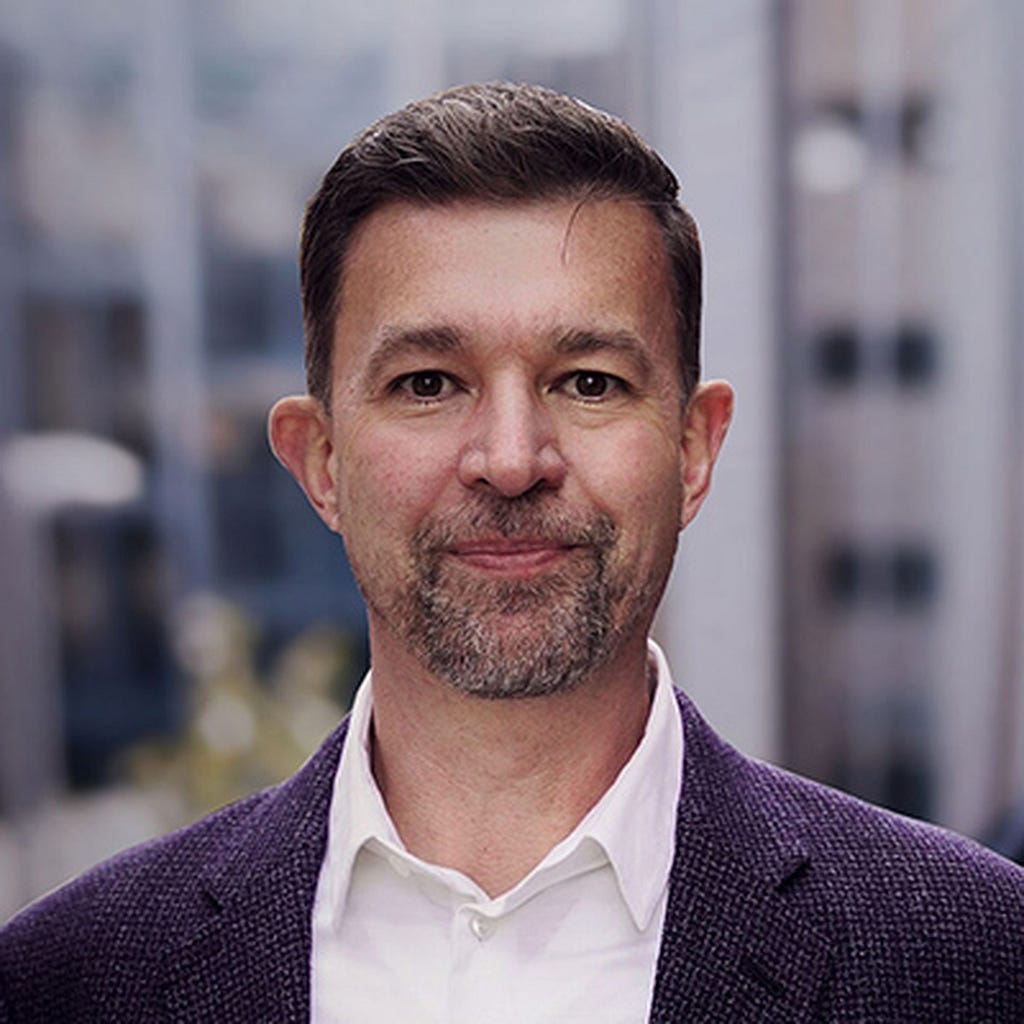
Rob Neville of Goodwill Central Texas On 5 Things You Need To Know To Successfully Lead A Nonprofit Organization
Mission alone is not enough — you need a sustainable model.
As a part of this series, we had the pleasure to interview Rob Neville the President and CEO of Goodwill Central Texas. Raised in a low-income government housing community in Durban, South Africa, Rob was deeply shaped by the support of social workers who helped open a path to higher education and opportunity. Today, he leads Goodwill Central Texas with a focus on education, workforce development, and community-based support, helping thousands of people each year build stability through jobs, training, adult high school programs, and career pathways. His work is rooted in a belief that meaningful opportunity can change the course of a life.
Thank you so much for joining us in this interview series! Can you tell us a bit about your “backstory”?
I grew up in a low-income government housing community in Durban, South Africa. My parents did not finish high school, and college didn’t feel like a realistic path for me.
What changed my trajectory were social workers from an organization similar to Goodwill. They stepped in, supported me in school, and helped me find a path to higher education. Without that intervention, my life would have looked very different.
That experience never left me. It’s the reason I feel a deep responsibility today — not just to lead an organization, but to create the same kind of opportunity for others facing difficult circumstances.
Can you tell us the story behind why you decided to join your nonprofit?
What drew me to Goodwill is that it’s so much more than a store.
At its core, we believe the most powerful way to transform someone’s life is through education and work. That belief shows up in tangible ways. We operate adult high schools that offer full diplomas alongside industry-recognized certifications. We helped change state law to make that possible. We serve young adults with disabilities through programs like Project SEARCH. We offer free training through our career academies. And we support individuals who walk through our doors in crisis through workforce coaching and stabilization services.
For me, this role is about paying forward the opportunity I was given — but doing it at scale, in a way that strengthens entire communities.
Can you describe how your organization aims to make a significant social impact?
We are working toward a model we call “Centers for Good.”
The idea is simple but powerful — create community-based hubs where people can access jobs, education, and critical support services all in one place, often located at our retail sites.
Too often, people in crisis are forced to navigate a fragmented system of nonprofits and government agencies. We want to remove that friction. If someone walks into Goodwill, they shouldn’t just find a job — they should find a pathway to stability and growth.
Ultimately, our goal is to meet people where they are and improve their odds of actually completing the journey to a better life.
Can you share a story about an individual who was helped by your work?
We serve nearly 10,000 people each year, and behind every number is a deeply human story.
Recently, we worked with an older woman who had just lost her husband and suddenly found herself raising her grandchildren. She had limited resources and needed immediate stability.
Our team helped her navigate that moment — not just by finding her a job, but by placing her in a role that recognized her reality as a caregiver. That stability allowed her to provide for her family and begin rebuilding her life.
It’s a reminder that impact isn’t abstract — it’s deeply personal.
Are there three things society or policymakers can do to help address the root problem?
- Invest in integrated, place-based solutions. People don’t experience challenges in isolation — employment, housing, childcare, and healthcare are all connected. Funding models should reflect that reality.
- Expand access to education pathways for nontraditional learners. Adult education and workforce-aligned credentials can be life-changing, but access is still limited in many communities.
- Reduce fragmentation across systems. The current system is difficult to navigate, especially for those in crisis. Policies that encourage coordination between nonprofits, government, and employers would dramatically improve outcomes.
How do you define leadership?
Leadership, to me, starts with being genuinely caring.
One of our core values is “be caring,” and it’s not just a slogan. It requires authenticity, empathy, and a willingness to truly understand the lived experiences of the people we serve.
At the same time, leadership is ultimately about getting things done through others. That means your effectiveness is directly tied to the strength of the team you build. Investing in capable, mission-aligned leaders — and empowering them — is essential.
If you lose the human connection, you may still run an efficient organization. But if you don’t build a strong team, you won’t scale impact. True leadership requires both.
What are “5 Things A Person Should Know Before They Decide To Start A Nonprofit”?
1. Mission alone is not enough — you need a sustainable model.
Nonprofits that rely solely on donations often struggle. If possible, build a model with earned revenue. Our retail operations allow us to fund mission work in a more sustainable way.
2. Your board matters more than you think.
Nonprofit boards are driven by passion and belief in the mission, which is powerful — but it can blur the line between governance and operations if not managed well.
3. Operational excellence is not optional.
Nonprofits sometimes lag in execution. Applying tools from the for-profit world — strategic planning, EOS, scorecards, disciplined L10 meetings — can dramatically improve impact.
4. The problems are more complex than they appear.
What looks like a simple employment issue is often tied to transportation, childcare, housing, or health. Be prepared to think systemically.
5. This work requires resilience.
The challenges are real, progress can be slow, and the need is constant. You have to stay grounded in purpose while building systems that can endure.
Is there a person you’d like to reach with your message?
More than a single individual, I’d want to reach people who shape public perception and policy — those who can help others better understand that Goodwill is not just a store, but a mission-driven organization using its business model to fund education and career pathways.
The more people understand that, the more we can scale the impact.
Can you share your favorite life lesson quote?
“What counts in life is not the mere fact that we have lived. It is what difference we have made to the lives of others.” — Nelson Mandela
How can our readers follow you online?
You can follow me and Goodwill Central Texas on LinkedIn. We also share stories and updates on Instagram and TikTok.
Thank you for sharing these insights!
Rob Neville of Goodwill Central Texas On 5 Things You Need To Know To Successfully Lead A Nonprofit… was originally published in Authority Magazine on Medium, where people are continuing the conversation by highlighting and responding to this story.