

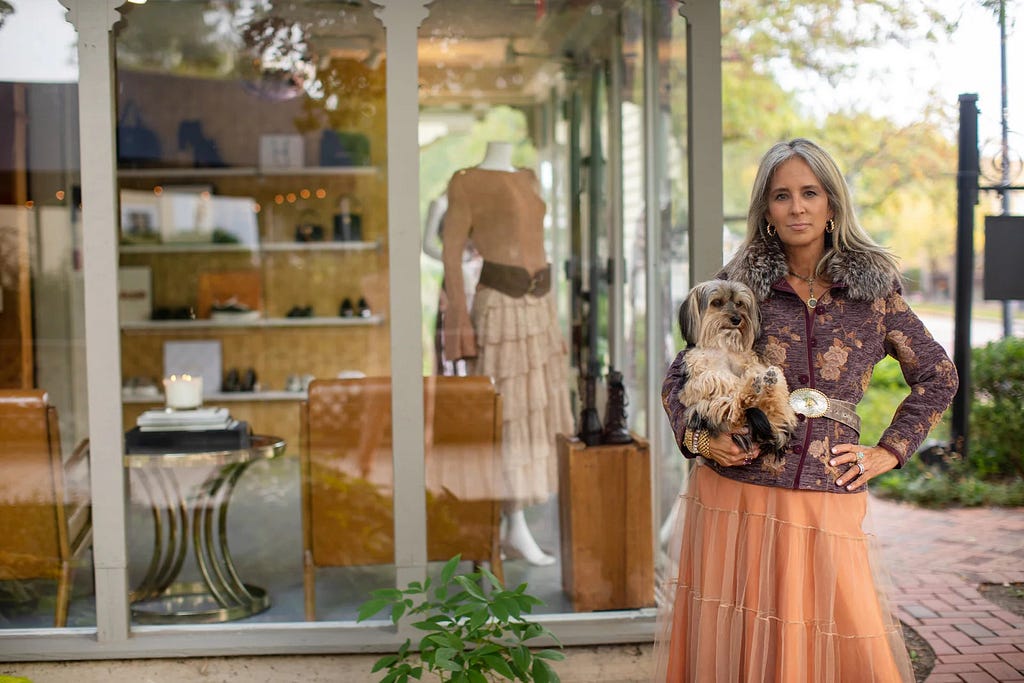
Slow Fashion: Jane Pabon Of Jane Pabon Boutique On Why They Are Embracing Slow Fashion and Renewable Consumption
“Be who you are, wherever you are.”
As ‘slow fashion’ grows in popularity, more fashion companies are jumping on the bandwagon. Renewable consumption has been gaining popularity for a while, as people recognize its importance, and many fashion companies want to be a part of this change. In this interview series, we are talking to business leaders in the fashion industry to discuss why they are embracing slow fashion and renewable consumption. As a part of this series, I had the distinct pleasure of interviewing Jane Pabon.
Jane Pabon is a fashion industry veteran with over 40 years of experience and the founder of Jane Pabon Boutique, a luxury consignment destination based in Geneva, Illinois. Known for her direct, honest approach, she has built a reputation for helping women shop with intention, choose quality over quantity, and wear pieces that truly suit them. She opened her boutique in 2009 during a period of personal and financial uncertainty, relying on instinct and experience rather than a traditional business plan. Since then, her business has grown into a trusted, relationship-driven space with a loyal and global client base. Jane’s philosophy is simple: buy better, understand what you’re wearing, and be who you are, wherever you are.
Thank you so much for joining us in this interview series! What inspired you to pursue a career in slow fashion, and can you share the story behind your decision?
It wasnt about pursuing a career in slow fashion- the opportunity chose me. I didn’t “pursue” a career in slow fashion, I had been in the retail industry for 3 decades, but owning my own business in fashion happened naturally and organically. (refer back to previous material for details) Choosing consignment was instinctual.
Who is your fashion hero or heroine, and why do they inspire you?
Theres no “fashion hero” but my first influences were my parents. My mom made us our own clothing, both of my parents had very good taste in regard to what they put on their bodies. They inspired me because they knew quality over quantity. They recognized quality over quantity.
What’s the most intriguing or memorable experience you’ve had since starting your career in slow fashion?
It would be near impossible for me to choose an intriguing or memorable experience. Our customers and consignors make us who we are. They allow us to do what we do. We never know what people are going to bring in to consign on a day to day. The intriguing part is that there is no appointment needed; we never know what is going to come into our doors on any given day. And that is what is intriguing. The memorable experiences are uncountless based on each person that walks through the door. Not just our consignors but who we partner with and have events with.
As a successful leader in the industry, which three character traits have been key to your success?
Faith, trust and honesty.
How does your company embody and implement the principles of slow fashion, and what motivated you to adopt this approach?
We try to be very consciousness about not accepting items that are from a fast fashion company. That being said, the way brands are producing their items whether it’s a $20 dollar item or a $700 dollar item many of the brands today are produced very much the same as a fast fashion company. They use the same materials that a fast fashion company would. Nothing motivated us to adapt that approach, it’s just something we’ve always done innately.
What measures does your company take to ensure the sustainability and ethical integrity of your supply chain and production processes?
For me, sustainability starts with the model itself. We operate in the secondary market, so we’re extending the life of pieces that already exist instead of contributing to new production. I focus on curating high-quality items that are made well and meant to last, and I spend a lot of time educating clients on fabric, especially the difference between natural fibers and synthetics. I also guide people to buy what truly works for them, not just what they like in the moment, which helps reduce overconsumption. And anything that doesn’t sell gets donated back into the community, so nothing goes to waste.
Can you tell us about the materials you use in your products and how you ensure they are sourced sustainably?
We are consignment.
Could you share some examples of how your company’s practices have benefited local communities or the environment?
Our fashion shows that we’ve done in the past- in our 17 years We’ve done fashion shows for charities. We have sidewalk sales that are priced starting as low as $5, during Swedish days which makes it more affordable for others.
What initiatives are you undertaking to educate consumers about the significance of slow fashion and sustainable consumption?
We advise our clients about the importance of fabric content. We encourage them to read fabric content labels, we try to educate them about brands that used to only use leather, (shoe brands, accessory brands, belt brands) that now use faux leather.
What are three essential things everyone should understand about slow fashion?
Slow fashion starts with awareness. Most people are not taught how to evaluate clothing, so they rely on brands instead of understanding quality.
- Fabric matters. Natural fibers like silk, wool, cashmere, linen, and cotton breathe, last longer, and age better. Many brands have shifted to synthetics like polyester, which are cheaper but lower quality and often filled with chemicals.
- Construction and fit. A well-made piece that fits properly can replace multiple items that don’t. You wear it more, style it more, and keep it longer.
- Mindset. Slow fashion is about buying better, not more. When you shop intentionally, especially in the secondary market, you build a wardrobe that is curated and lasting, not reactive.
What are the “5 Key Elements to Leading a Successful Slow Fashion Brand”? Please provide a story or example for each.
1. Education.
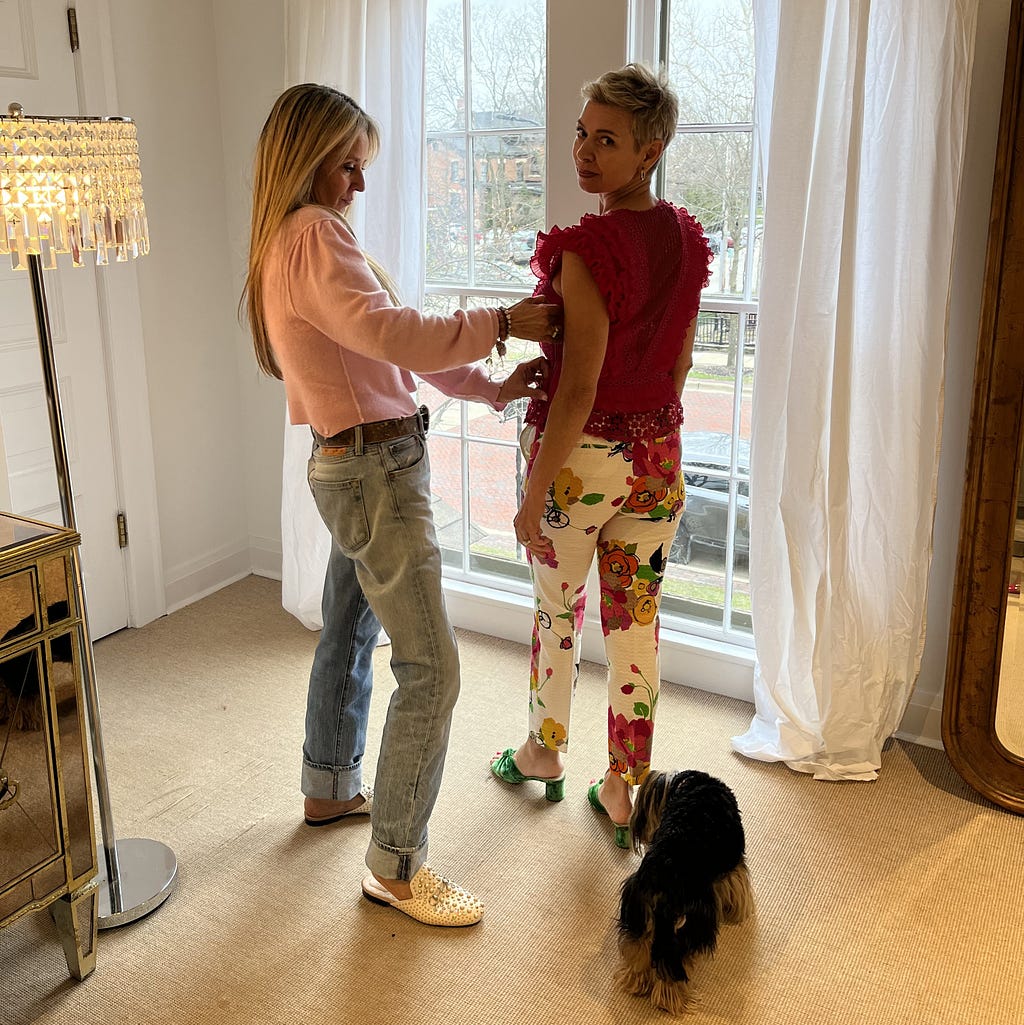
I don’t just sell, I teach. I walk clients through fabric, fit, and quality so they understand what they’re buying. I’ve had women come in thinking they want something specific, and once they learn what to look for, they choose something completely different and better.
2. Quality over quantity.
Every piece has to earn its place. I’ve seen clients replace five unworn items with one well-made piece they wear constantly.
3. Versatility.
I look for pieces that can be styled multiple ways. I’ll show a client how one item can work for day, evening, and different seasons, and that shift alone changes how they shop.
4. Personal connection.
I take the time to really know my clients. One woman came in during a major life transition, and by rebuilding her wardrobe around who she actually was, not who she thought she had to be, everything changed for her.
5. Integrity.
I will always be honest, even if it costs a sale. I’ve told clients not to buy something, and they still come back and refer people because they trust that I’m looking out for them, not just trying to sell.
Do you have a favorite quote that has influenced your life?
Yes, it is mine- “be who you are, wherever you are.
Thank you for sharing these fantastic insights. We appreciate your time and wish you continued success.
Slow Fashion: Jane Pabon Of Jane Pabon Boutique On Why They Are Embracing Slow Fashion and… was originally published in Authority Magazine on Medium, where people are continuing the conversation by highlighting and responding to this story.