

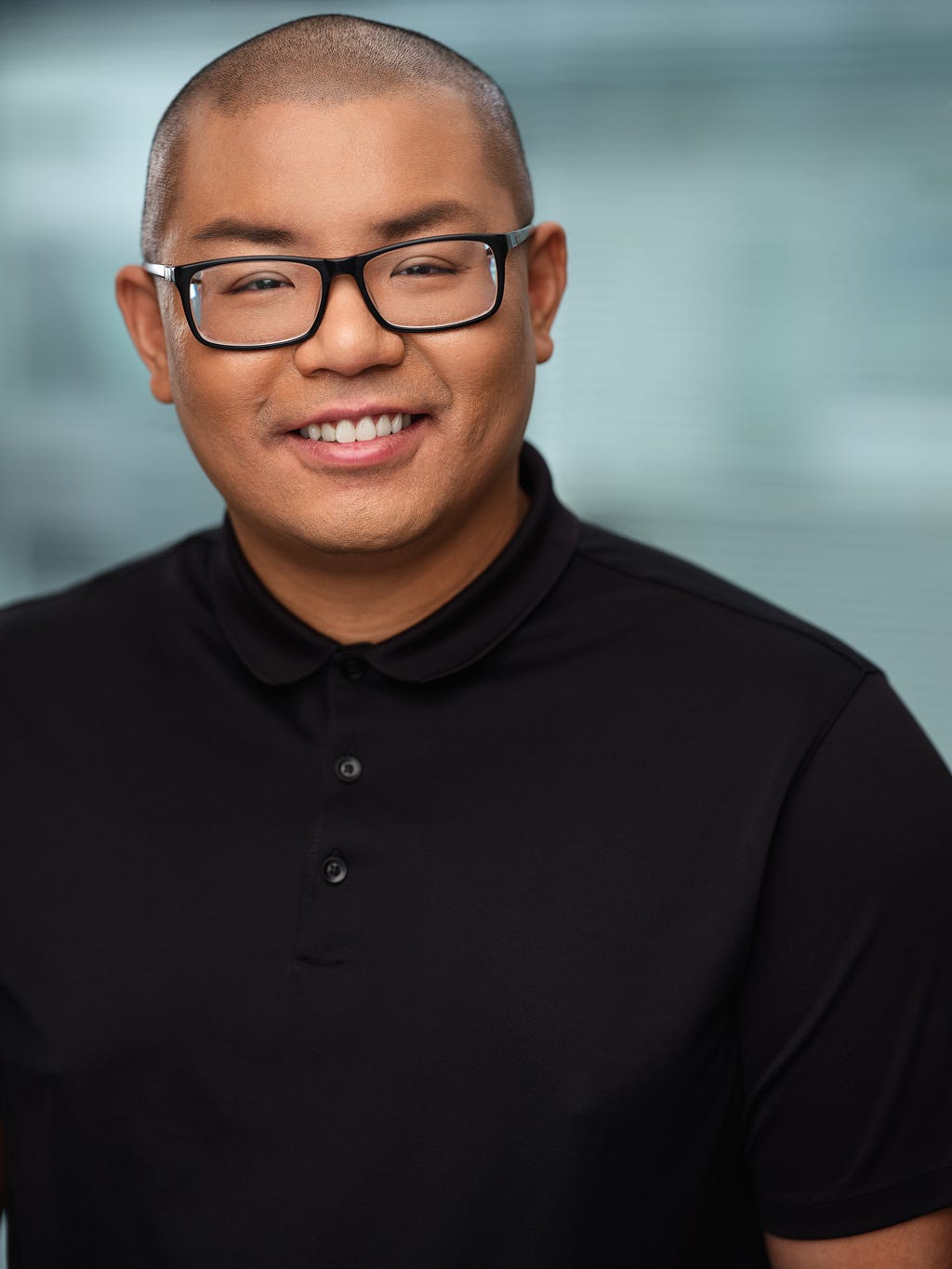
Social Impact Hero Award Nomination: How Ed Chen of the DBT Centre and Clinic of Greater Vancouver Is Helping To Change Our World
An Interview With Diane Strand
“What stood out most wasn’t just the update. It was something she said very simply: that life had become worth living.”
We recently partnered with DigiFest to present the Social Impact Heroes Award, recognizing individuals and organizations who are leading meaningful initiatives that create real, tangible impact. From nonprofit founders and grassroots organizers to digital advocates and community leaders, this initiative brought forward an inspiring range of voices dedicated to making the world a better place. In this special interview series, we will be featuring every single submission from this powerful contest. Each participant shared a 1-minute video highlighting the work they are doing and the lives they are touching — and we believe every story deserves to be amplified. These Social Impact Heroes are tackling critical challenges, uplifting underserved communities, and using creativity, compassion, and innovation to drive change. What inspired them to begin their journey? What obstacles have they overcome? And what lessons can others learn from their work?
As a part of this series, we had the pleasure of interviewing Ed Chen.
Ed is a BCACC registered, CCPA certified clinical counsellor, and a BCACC Approved Clinical Supervisor. He is currently the lead trainer and clinician at the DBT Centre and Clinic of Greater Vancouver. Ed’s work has been featured in major publications and his DBT Program for Young Parents in Schools has also been nominated for a Premier’s Award for innovation.
Thank you so much for joining us in this interview series! Our readers would love to get to know you a bit better. Can you tell us your “Origin Story”? Can you tell us the story of how you grew up, and the seeds for all the great work that has come since?
I was born in Taipei, Taiwan, and moved to Canada around the age of 10 due to concerns about war. That transition became a defining part of my childhood. Adjusting to a new country meant learning a different language, navigating a new culture, and finding my place in an unfamiliar environment. At the same time, I witnessed my parents work tirelessly to rebuild stability for our family. Like many immigrant families, they faced long hours, uncertainty, and the pressure of starting over.
Alongside these experiences, I was also exposed to mental health challenges within my family, which shaped how I understood stress, emotional pain, and the ways people cope. It gave me an early awareness of how difficult it can be to access the right kind of support, especially when combined with cultural and practical barriers.
These experiences ultimately guided me toward the work I do now. Working with individuals in building more effective lives while addressing the many challenges that life may bring them.
Can you describe how you or your organization is making a significant social impact?
At the DBT Clinic and DBT Centre of Greater Vancouver, our social impact is grounded in increasing access to evidence-based mental health care and strengthening the quality of care across communities.
On the clinical side, we provide comprehensive Dialectical Behaviour Therapy (DBT) programs for individuals struggling with high-risk concerns such as chronic emotion dysregulation, self-harm, and suicidal behaviours. These are populations that are often underserved or face long waitlists. By offering structured, full-model DBT that includes individual therapy, skills groups, phone coaching and consultation team, we help clients build practical skills that lead to measurable improvements in safety, functioning, and quality of life.
At a systems level, our training centre focuses on training and capacity-building. We work with clinicians, schools, and community agencies across Canada to deliver DBT training that goes beyond theory and into implementation. This has a multiplier effect: each trained professional or team can go on to support dozens, if not hundreds, of individuals in their own communities. In this way, our impact extends far beyond our clinic walls.
Can you share the story of what inspired you to start your social impact initiative? What was the specific moment when you realized this work was needed?
The moment that stayed with me didn’t happen during a session, or even while someone was in treatment.
It came years later.
One afternoon, while I was still working for a public agency, I received a phone call from a former client I hadn’t heard from in a long time. When I picked up, she told me she was about to move to Europe. Her life had changed in ways that once felt completely out of reach. She was building relationships, making plans, and stepping into a future she had once struggled to imagine. She just wanted to fill me in on the good news.
What stood out most wasn’t just the update. It was something she said very simply: that life had become worth living.
During treatment, she had spent countless moments getting through the next crisis, or the next conflict. There wasn’t a life beyond survival. During treatment, progress was gradual, sometimes uneven, and many times hard-won. But over time, something shifted. Skills became habits, and hope became more common.
That experience became a defining reference point. It’s a big part of why we’ve implemented our programs the way we have: structured, comprehensive, and designed to support not just crisis reduction, but the long-term goal of helping people build lives that feel meaningful and sustainable.
Can you share the most interesting story that happened to you since you began leading your organization or initiative?
One of the things we do in skills training is incorporate positive reinforcement into our programs, such as giving people the opportunity to win prizes for consistently showing up, practicing skills, or staying engaged in the work.
What’s been surprising is how often participants will share, sometimes almost in disbelief, that how much it impacts them.
I remember one participant in particular who had been attending consistently despite all the struggles she was experiencing in her life. When her name was selected, there was this pause, then she smiled and said to the group, “I’ve never won anything before in my life.” It wasn’t about the prize itself. It was what it represented: being seen, being included, and having their effort acknowledged.
It has been said that our mistakes can be our greatest teachers. Can you share a story about a funny mistake you made when you were first starting? Can you tell us what lesson you learned from that?
One of the more memorable mistakes early in my career happened to be the first time I had a gout attack. I remember waking up with tremendous ankle pain but still decided to limp my way to work because I had a full day of clinical sessions scheduled. I thought I could simply push through it. When I arrived, my supervisor took one look at how I was limping and, half-jokingly, asked, “Are you sure you aren’t the one needing help today?” It was a lighthearted moment, but it also reminded me that, as clinicians, we often focus so much on supporting others that we can forget ourselves. Managing our own vulnerabilities isn’t optional, but essential. If we want to be present and effective for the people we serve, we also need to be honest about our own limits.
Without saying names, can you tell us a story about a particular individual who was impacted or helped by your cause?
Early in my career, I worked in a public health setting under a supervisor who was deeply committed to bringing evidence-based care into a system that wasn’t always set up to support it. Year after year, he implemented a structured, skills-based program for individuals with high-risk needs, many of whom had been through multiple services without lasting improvement. What stood out wasn’t just the clinical vision, but how difficult it was to make it happen. There were constant pressures: limited staffing, high caseloads, competing priorities, and a system that often demanded quick, short-term solutions rather than long-term, comprehensive care.
Despite all the difficulties, my supervisor stayed committed to the model, advocating for protected time, supporting the team through burnout, and continually reinforcing the importance of consistency. That experience became a blueprint for me. It showed me both what’s possible with the right model, and how fragile implementation can be without the right support. A lot of what we’ve built now is shaped by that lesson, creating a setting where the structure, resources, and team support are intentionally designed so that meaningful, evidence-based work can take hold and be sustained.
Are there three things the community/society/politicians can do to help you address the root of the problem you are trying to solve?
- Invest in long-term, evidence-based care,
- build capacity through training and workforce support, and
- reduce barriers to access to mental health care.
How do you define “Leadership”? Can you explain what you mean or give an example?
I see leadership as leading by example. Using the same skills that you ask of others. That includes being willing to face your own challenges instead of avoiding them. In this work, we often ask people to tolerate discomfort through self-management. Leadership means doing that yourself: Acknowledging your own limitations, being open to feedback, and staying engaged and accountable even when it’s difficult.
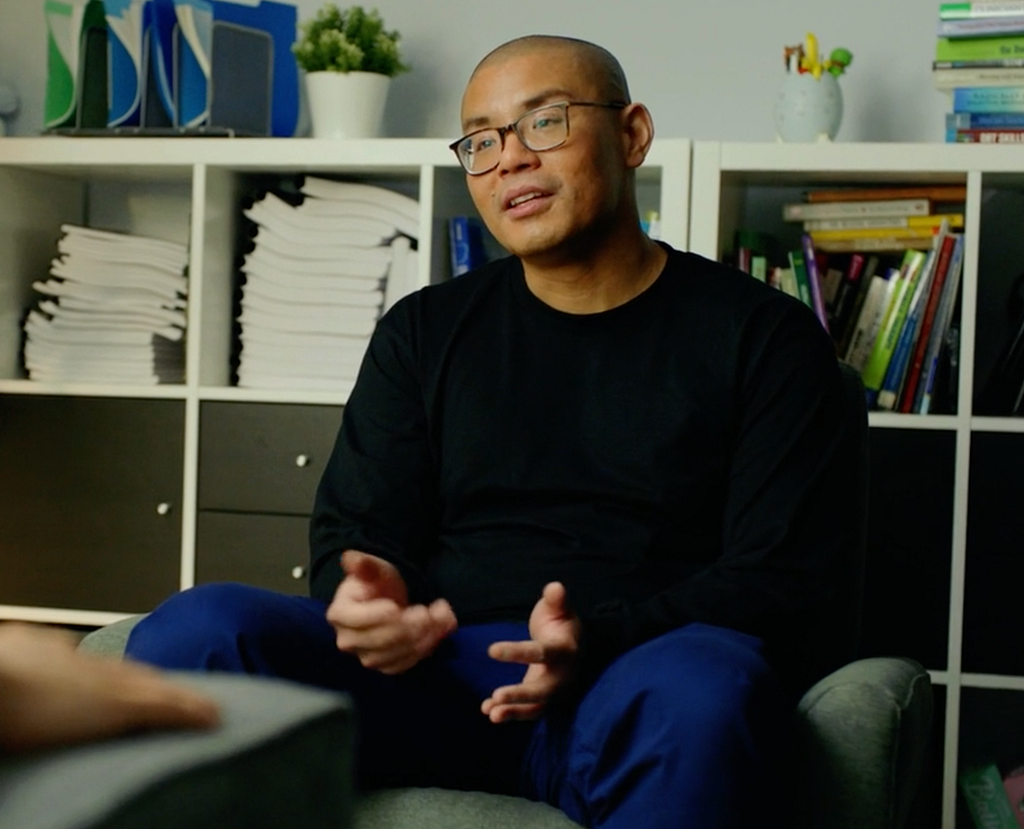
What are your “5 things you need to create a successful social impact initiative.” Please share a story or example for each.
1. Evidence-Based Work
Early in my work, I saw how easy it was for systems to drift toward “doing something” rather than doing what works. That experience reinforced the importance of following the research, and grounding decisions in approaches that are proven to be effective rather than relying on urgency alone.
2. Consistency Over Intensity
Lasting change doesn’t come from doing something all at once. It comes from showing up regularly. It’s like going to the gym: one 24-hour workout won’t make a difference, but consistent, steady effort over time is what builds success.
3. Avoid avoiding
Avoidance often maintain the very problems people are trying to solve. Whether it’s a difficult conversations, emotions, or decisions, avoidance may provide short-term relief but long-term suffering for everyone involved.
4. Start small
People often fall into the myth of “bigger is better”. However, focusing on one actionable step that is achievable is what will most likely create momentum for effective changes.
5. Be patient with slow change, and ready for fast change
One of the more humbling lessons is that change doesn’t follow a predictable pace. Being effective means holding both: Staying patient through gradual change, while being ready to respond when things shift at a blink of an eye.
What is something you have learned from this work that surprised you?
That change is truly transactional. We are constantly influencing those around us, and they are also constantly influencing us.
How would you define success for your initiative in ten years from now?
That I am still helping others while continuing to learn from every person I work with curiosity.
This is what we call our “matchmaker question”, and it sometimes works. Is there a person in the world whom you would love to have a power lunch with, and why? Maybe we can tag them and see what happens!
My daughter. Without a shred of doubt.
You are a person of enormous influence. If you could inspire a movement that would bring the most amount of good to the most amount of people, what would that be? You never know what your idea can trigger. 🙂
Be kind, especially to yourself.
How can our readers further follow your work online?
You may find more information about my training centre, DBT Centre of Greater Vancouver, at dbtgv.com and my treatment clinic, DBT Clinic of Greater Vancouver, at dbtclinicgv.com.
This was very meaningful, thank you so much. We wish you only continued success in your great work!
About The Interviewer: Diane Strand is a multi-award-winning serial entrepreneur, executive producer, best-selling author, nonprofit founder, TEDx and national speaker with more than two decades of success in media, education, and creative entrepreneurship. She is the majority owner of JDS Video & Media Productions, Inc. and JDS Actors Studio, and the founder of the nonprofit JDS Creative Academy (JDSCA) — a 501(c)(3) organization dedicated to advancing education, inclusion, and workforce development through the arts. As the creator and executive producer of Spirit of Innovation: Arts Across America — a nationally streamed and locally broadcast ABC TV series — Diane continues to break new ground in creative media, producing the first magazine-style news and information show of its kind in Riverside County. A trailblazer in inclusive education, Diane has authored two state-approved training programs — a Title 17 video production job-training day program for adults with developmental disabilities and a California State Apprenticeship program in media and the arts. Diane has helped launch more than 100 creative careers, as actors, writers, directors, and producers transforming lives and strengthening the creative workforce pipeline in Southern California and beyond. In 2017, Diane founded DigiFest® Temecula, an award-winning annual festival that celebrates digital media, storytelling, and innovation across all creative disciplines. Now entering its 10th year, DigiFest® has evolved into a nationally recognized event uniting students, professionals, and thought leaders from film, television, gaming, design, podcasting, and emerging technologies. The festival embodies Diane’s mission to merge creativity, community, and opportunity — showcasing how the arts can drive education, empowerment, and industry growth. Diane’s Hollywood career includes credits on Friends, General Hospital, and Veronica’s Closet, as well as producing for Barbra Streisand, Disney Channel, and Universal Creative, where she helped launch Playhouse Disney and Toon Disney and contributed to the high-definition control room build at Staples Center (now Crypto.com Arena). As a Lead Columnist for Authority Magazine, Diane now shines a national spotlight on visionary thought leaders, entertainers, changemakers, and philanthropists who are shaping the future of creativity, inclusion, and social impact. If you’re a celebrity, industry innovator, or business leader passionate about using the arts to transform lives, Diane invites you to connect, collaborate, and share your story to help inspire the next generation of innovators.
Social Impact Hero Award Nomination: How Ed Chen of the DBT Centre and Clinic of Greater Vancouver… was originally published in Authority Magazine on Medium, where people are continuing the conversation by highlighting and responding to this story.