

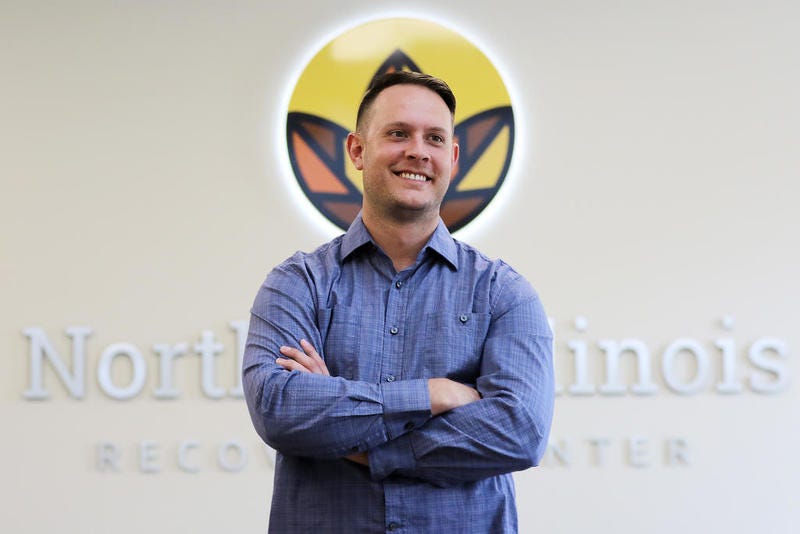

Heroes Of The Addiction Crisis: How Chris Reed of Northern IL Recovery Center Is Helping To Battle One of Our Most Serious Epidemics
I’d inspire people to live connected lives. Many addictions stem from a lack of meaningful connection. Building supportive communities and active experiences fosters fulfillment and reduces the need for destructive behaviors.
We had the pleasure of interviewing Chris Reed. Chris Reed is the Founder of Northern Illinois Recovery Center, a leading behavioral health facility dedicated to helping individuals overcome addiction and co-occurring mental health disorders. A respected voice in the recovery community, Reed combines professional expertise with powerful lived experience to inspire lasting change in the lives of those he serves. After battling addiction himself and achieving long-term recovery, Chris turned his experience into purpose — creating a place where others could find hope, healing, and the tools to rebuild their lives. Under his leadership, Northern Illinois Recovery Center has grown into one of the Midwest’s most trusted treatment providers, offering a full continuum of care including detox, residential, and outpatient programs. Chris is a passionate advocate for trauma-informed treatment, veteran-focused recovery, and community-based healing. His approach emphasizes compassion, accountability, and empowerment — helping clients not only achieve sobriety but also rediscover meaning and purpose. When he’s not leading his team or speaking about recovery advocacy, Chris is dedicated to supporting families and communities impacted by addiction, reminding them that recovery is not only possible — it’s sustainable. Website: www.northernillinoisrecovery.com
Thank you so much for doing this with us! Can you tell us a bit of your backstory?
I started drinking and using recreational substances around 13 or 14 while playing hockey. At 15, I broke my leg and was prescribed OxyContin, which began my path toward opioid dependency. Over time, my substance use escalated from alcohol to heroin, leading to a chaotic lifestyle where I didn’t graduate high school. I overdosed three times in a single month. By 19, after multiple court cases and time in and out of jail, I began attending recovery meetings. Immersing myself in the recovery community, I worked through the 12 steps, and my life transformed. Eventually, I started a business that evolved into a sober bar, housing initiatives, and ultimately a full treatment center.
Is there a particular story or incident that inspired you to get involved in your work with opioid and drug addiction?
My personal experiences showed me firsthand the destructive power of addiction and ignited a desire to help others break that cycle. Over time, that personal understanding grew into creating recovery programs, sober housing, and treatment centers to provide people with the support I wish I had when I was struggling.
Can you explain what brought us to this place? Where did this epidemic come from?
The opioid epidemic is the result of a combination of factors. Early over-prescription of opioids created a pathway for dependency in young people, while social, economic, and mental health pressures contributed to escalating substance use. Addiction often starts with experimentation — sometimes recreational, sometimes medically prescribed — and can spiral quickly without intervention. Once opioids became widely available, the epidemic intensified, and many individuals turned to more dangerous substances like heroin. The crisis is compounded by lack of access to effective treatment, stigma, and systemic barriers in healthcare. It’s not just about the substances themselves, but also about the social and structural conditions that allow addiction to flourish.
Can you describe how your work is making an impact in battling this epidemic?
We provide immediate physical and therapeutic support for individuals struggling with opioid and drug addiction. Our detox programs and full continuum of care — from residential and partial hospitalization to intensive outpatient programs — are designed to meet people where they are. We also offer unique support services, like our silver bar and naloxone vending machine, and partner with the state of Illinois to respond to overdoses through programs like A Way Out, sending peer recovery specialists directly to hospitals to connect with individuals in crisis.
Without sharing real names, can you tell us a story about a particular individual who was impacted by your initiative?
One of my closest friends, who was once in a chaotic place with prescription pills and Xanax, was brought into our family support group in 2013–2014. Through consistent guidance and support, he stayed within the recovery system and now serves as our Director of Admissions. Watching him grow and have a meaningful impact on others has been incredibly rewarding.
Can you share something about your work that makes you most proud? Is there a particular story or incident that you found most uplifting?
I’m proud that we’ve built an organization driven by strong principles and values, offering a full continuum of care in a compact area. From detox to sober living, everything is within a few miles, which is uncommon. We’ve also established funding pathways for those without insurance, ensuring that access to quality care isn’t limited by financial barriers.
Can you share three things that the community and society can do to help you address the root of this problem? Can you give some examples?
Education is key. Teaching children and families how to handle trauma, form healthy habits, and manage challenges is foundational. Addressing substance use effectively means providing guidance on coping mechanisms before individuals turn to addictive behaviors as a solution. Integrating these lessons into family and community systems can make a lasting difference.
If you had the power to influence legislation, which three laws would you like to see introduced that might help you in your work?
Increasing Medicaid reimbursement rates for behavioral health would expand access to care. Legal reforms around certain psychoactive substances, like psilocybin, could remove barriers and offer effective treatments when paired with proper clinical support. Finally, broader support for clinical trials and funding for innovative recovery interventions would help combat the epidemic at scale.
I know that this is not easy work. What keeps you going?
Seeing the impact on individuals and their families keeps me motivated. Even helping one person take steps toward recovery has ripple effects on their employer, loved ones, and community. The work may be chaotic, but it’s deeply rewarding.
Do you have hope that one day this leading cause of death can be defeated?
With substances like fentanyl and alcohol, the challenge is enormous. While eradicating these entirely may be unrealistic, we can rebalance how society addresses addiction and make significant improvements in outcomes.
How do you define “Leadership”? Can you explain what you mean or give an example?
Leadership is about building a system where vision, principles, and teamwork create a sustainable impact. It’s knowing your strengths and weaknesses, empowering others, and creating processes that make success repeatable and people replaceable within the system.
1 . Bring people on early who understand and support your vision: When starting any organization, the first people you hire or partner with set the tone for your culture. Early team members need to fully grasp and believe in your mission, even if they don’t have all the answers yet. Their buy-in allows them to champion your ideas, help shape strategy, and troubleshoot challenges before the organization grows too complex. Waiting too long to involve the right people can slow progress and lead to misalignment down the road.
2 . Know your strengths and weaknesses; hire operators to complement you: No founder or leader can do everything well. Understanding your own strengths — and more importantly, your weaknesses — allows you to bring in people who fill the gaps. For example, if you’re a visionary and problem-solver but struggle with day-to-day operations, hire someone who excels at organization, logistics, and execution. This complementary approach ensures that your ideas are implemented effectively and sustainably.
3 . Fear-based decisions cost more in time and money than decisive action: Early on, fear can lead to hesitation, overthinking, or repeated small mistakes — like buying cheaper supplies multiple times instead of investing upfront in quality. Decisive, informed action — even if imperfect — is often more efficient than waiting for a “perfect” solution that may never arrive. Each fear-based delay compounds costs, slows growth, and can reduce morale among team members looking for clarity and direction.
4 . Value your time and invest in systems that multiply your impact: Your time is your most valuable resource. Tasks that don’t align with your strengths or the organization’s strategic goals should be delegated or automated. Investing in systems, workflows, and technology that allow others to execute your vision not only frees you for high-impact work but also ensures consistency and scalability across the organization.
5 . Create repeatable processes that allow others to carry your vision forward: The success of any organization shouldn’t rely on a single person. Building clear, repeatable processes — documented procedures, checklists, training programs — ensures that team members can replicate success without constant supervision. This makes the organization more resilient, scalable, and capable of maintaining quality and culture even as it grows beyond the founder’s direct involvement.
You are a person of enormous influence. If you could inspire a movement that would bring the most amount of good to the most amount of people, what would that be? You never know what your idea can trigger. 🙂
I’d inspire people to live connected lives. Many addictions stem from a lack of meaningful connection. Building supportive communities and active experiences fosters fulfillment and reduces the need for destructive behaviors.
Can you please give us your favorite “Life Lesson Quote”? Can you share how that was relevant to you in your life?
“Happiness is where we find it, but rarely where we seek it.” — J. Petit Senn
Is there a person in the world or in the US whom you would love to have a private breakfast or lunch with, and why? He or she might just see this, especially if we tag them. 🙂
Theo Vaughn would be amazing. From a recovery standpoint, his connection to addiction — both through personal experiences and his work raising awareness about substance use — makes his perspective incredibly valuable. He blends humor, honesty, and advocacy in a way that resonates with people who are struggling and those supporting them. Having a conversation with him would be inspiring, not only for insights on approaching addiction with empathy and creativity, but also for learning how to engage communities and destigmatize recovery in meaningful ways.
How can our readers follow you on social media?
https://www.instagram.com/northernillinoisrecovery/
This was very meaningful. Thank you so much!
Heroes Of The Addiction Crisis: How Chris Reed of Northern IL Recovery Center Is Helping To Battle… was originally published in Authority Magazine on Medium, where people are continuing the conversation by highlighting and responding to this story.